

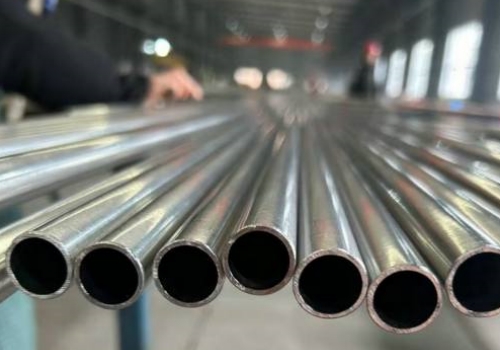
Chemical leaks ruin projects and cost money. You need pipes that survive harsh acids. A nickel alloy UNS N08020 EFW pipe solves this exact problem for your plant. Nickel alloy UNS N08020 EFW pipe is a welded pipe made from Alloy 20 using electric fusion welding. This pipe strongly resists corrosion in hot sulfuric acid. Industries use it for chemical processing, food production, and pharmaceutical plants to ensure safe fluid transport.
You might want to click away and stop reading this page right now. I know pipe specifications look boring. But if you leave now, you will buy the wrong material. Do not close this page if you want to save your project from a massive acid leak.
Material failures cause huge delays. You struggle to find the right grade for acid systems. Alloy 20 gives you the exact chemical defense you need today. UNS N08020, commonly known as Alloy 20, is a strong nickel-iron-chromium alloy. It contains copper and molybdenum. These elements stop pitting and chloride ion corrosion completely. Engineers choose this material mainly to handle dangerous sulfuric acid environments safely.
Let me share a real story with you. Last year, a client from a chemical plant called me in a panic. Their old standard pipes corroded after just six months of use. I told them about UNS N08020. This specific material changes everything for hot acid environments.
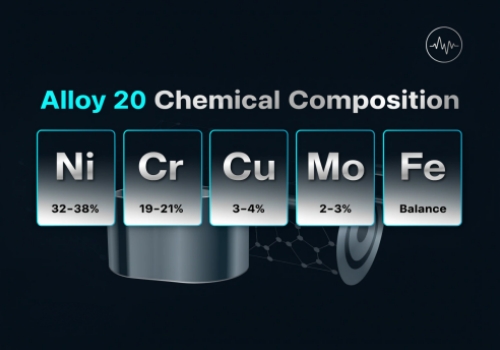
The secret of this pipe lies in the chemical elements. Nickel at 32 to 38 percent stops chloride stress corrosion cracking completely. Chromium at 19 to 21 percent fights oxidation on the metal surface. Copper and molybdenum give specific resistance to hot sulfuric acid. We also add niobium. Niobium prevents carbide precipitation during the welding process.
You need strong pipes for high pressure. Alloy 20 delivers great mechanical strength. It maintains physical stability across many different working temperatures.
| Property | Value |
|---|---|
| Tensile Strength | 551 MPa min |
| Yield Strength | 241 MPa min |
| Elongation | 30% min |
| Density | 8.08 g/cm³ |
This alloy excels in strong sulfuric acid. It also handles phosphoric acid, nitric acid, and salt solutions very well. But you must watch the temperature limits. Extreme heat with high acid concentration can still damage the pipe. Always check your process conditions before you order.
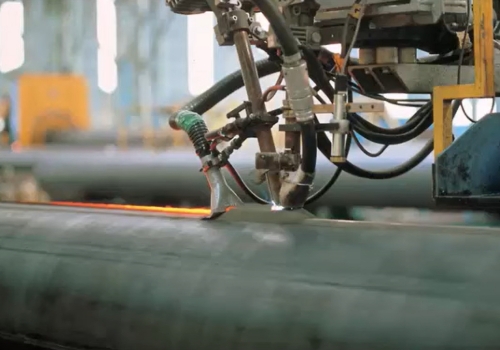
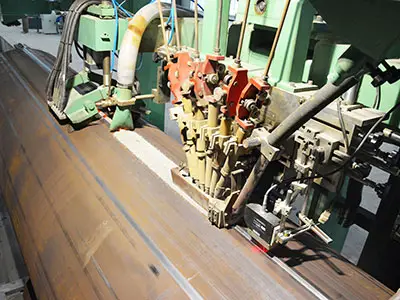
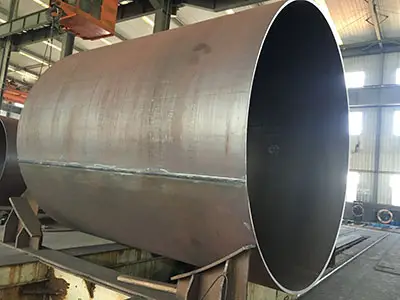
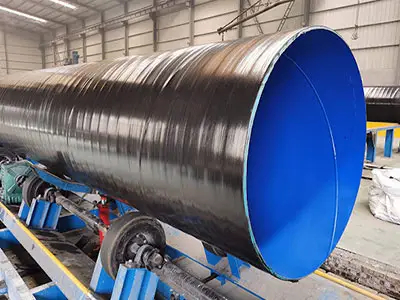
Weak welds cause dangerous pipe leaks. You worry about joint integrity under pressure. EFW manufacturing creates a solid, reliable pipe for your chemical transport lines. The letters EFW mean Electric Fusion Welding. The factory forms a flat steel plate into a cylinder. An electric arc melts the metal edges together without extra filler metal. This creates a strong, uniform seam suitable for high-pressure chemical transport.
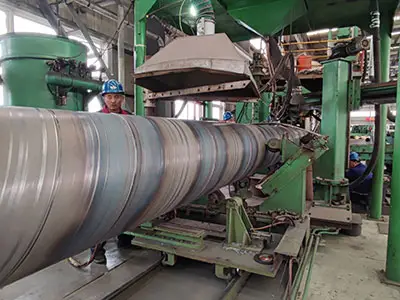
I always invite my clients to see our factory. Jackie, a purchasing manager from a large EPC company in Germany, visited us once. He wanted to know the exact difference between EFW and seamless pipes. I showed him our production lines directly.
EFW pipes start as large flat steel plates. Seamless pipes start as solid steel billets. EFW is often much more cost-effective for large pipe diameters. The electric arc creates a very clean and strong weld seam.
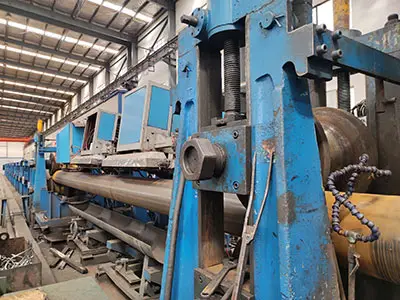
We follow strict steps to make these specific pipes. First, we cut and clean the Alloy 20 plate carefully. Next, a machine bends the plate into a perfect round shape. Then, the electric fusion welding joins the edges together. After welding, we heat-treat the entire pipe. This crucial step removes inner stress and restores corrosion resistance in the weld area.
We do not guess on quality at Centerway Steel. Every single pipe goes through tough testing.
| Test Type | Purpose |
|---|---|
| Chemical Analysis | Confirms correct material grade |
| Tensile Test | Checks basic mechanical strength |
| Radiographic Test | Finds hidden internal weld defects |
| Dimensional Check | Ensures correct size and thickness |
Wrong standards reject your shipments. You face delays and angry project managers. Following the correct ASTM rules guarantees your pipes pass every site inspection. ASTM B464 and ASTM B464M are the main standards for welded UNS N08020 pipes. These standards define the required chemical composition, mechanical properties, and dimensions. Following these rules ensures the pipe handles corrosive environments safely and meets engineering codes.
When I first started at Centerway Steel, standard codes confused me a lot. A client once ordered B729 pipes but actually wanted welded pipes for his project. I had to fix the order fast. This event taught me to always check the exact standard with the buyer.
This specific standard applies directly to welded Alloy 20 pipes. It covers pipes meant for general corrosion-resisting applications and low-temperature or high-temperature service. You must specify this exact standard when you order EFW pipes.
Many buyers mix these two standards up frequently. ASTM B729 is the rule for seamless UNS N08020 pipes. ASTM B464 is the rule for welded pipes. Always double-check your engineering drawings. Buying the wrong pipe type wastes your project budget.
You absolutely need proof of material quality. We provide a complete Mill Test Certificate EN 10204 3.1 for every single orde.
| Document | Details |
|---|---|
| MTC 3.1 | Shows heat number, chemistry, and tests |
| NDT Report | Proves strong weld quality |
| Visual Report | Confirms clear surface condition |
Choosing the wrong pipe destroys expensive equipment. You need assurance that your material fits the job. Alloy 20 fits perfectly in highly corrosive industrial applications. Industries use nickel alloy UNS N08020 EFW pipe for sulfuric acid processing, chemical manufacturing, and food production. It serves well in heat exchangers, mixing tanks, and pickling lines. The pipe effectively transports aggressive chemicals where standard stainless steel quickly fails.
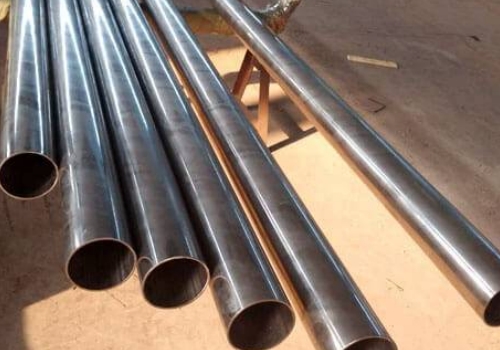
I often visit heavy project sites to see our pipes at work. Last month, I walked through a massive chemical plant. Seeing our Alloy 20 pipes holding dangerous acids safely made me proud of what Centerway Steel supplies to the world.
This environment is the main home for Alloy 20 material. It handles sulfuric acid mixtures up to 40 percent concentration at boiling temperatures. It transports these dangerous acids between storage tanks and reactors very safely.
Industrial chemicals get very hot. These pipes work perfectly in heat exchangers. They transfer extreme heat without corroding from the inside out.
Material purity matters deeply here. Alloy 20 does not leach bad metals into the end product. It keeps liquid medicines and specialty chemicals clean.
Metal processing factories use harsh acids to clean raw steel. These pickling lines eat normal carbon pipes fast. Alloy 20 EFW pipes strongly resist the acid mix used in these surface treatment baths. Always match your specific acid concentration to the material data sheet to ensure safe use.
Too many material choices confuse buyers. You waste money if you over-specify. Comparing Alloy 20 to other metals helps you buy smart and save budget. UNS N08020 offers better acid resistance than 316L stainless steel, but costs more. It is cheaper than Alloy 625, but has lower temperature limits. Engineers choose Alloy 20 specifically for sulfuric acid, while they use Alloy 625 for extreme heat.
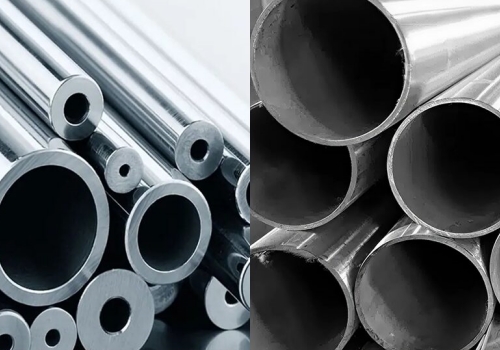
I remember a long meeting with an EPC contractor. They wanted to use standard 316L for a hot acid line to save money on the project. I showed them the actual corrosion data. They quickly changed their minds and chose Alloy 20 instead.
Grade 316L is a great everyday industrial pipe. But hot sulfuric acid destroys 316L very quickly. Alloy 20 contains much more nickel and chromium. This composition makes it last years longer in acid, even though the initial purchase price is higher.
Alloy 625 is a famous super-alloy. It handles massive heat and extreme chloride conditions easily. But it is a very expensive material. If your main problem is sulfuric acid below 150 degrees Celsius, Alloy 625 is a waste of money. Alloy 20 does the exact same job for much less cost.
You must look at three main things to choose well.
| Factor | Why it matters |
|---|---|
| Fluid Type | Different acids attack different elements |
| Temperature | Heat speeds up material corrosion |
| Pressure | High pressure needs thicker pipes |
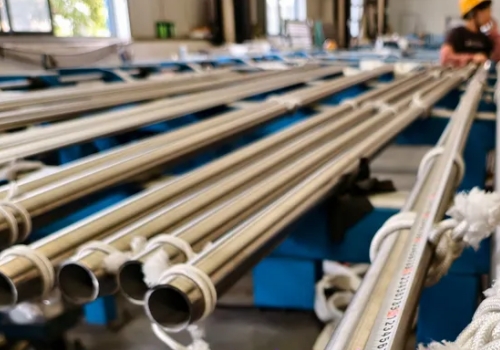
Standard sizes do not always fit your design. You stress over finding exact dimensions. We customize EFW pipes to match your project needs perfectly. We offer nickel alloy UNS N08020 EFW pipes in various sizes. Outer diameters range from 8 inches to over 48 inches. Wall thicknesses cover schedules like SCH 10S to SCH 80S. We provide custom lengths and special end bevels upon request.
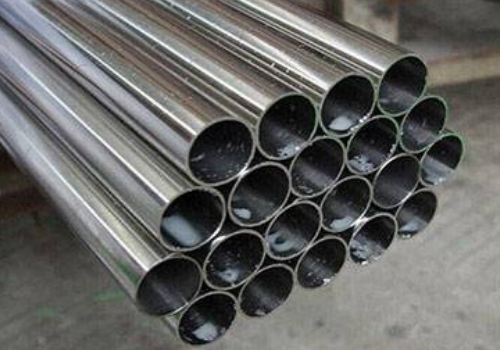
Custom orders are very common for our factory. I recently helped a client who needed an odd length of pipe to fit an old factory layout. We adjusted our cutting process quickly. We delivered exactly what they needed on time.
We do not just stock basic pipe sizes. We make custom pipes for large industrial projects. The EFW process allows us to produce huge diameters easily. We cut the pipes to your exact project length. This custom service saves you field installation time.
We supply pipes with plain ends or beveled ends for easy field welding. The outer surface can be pickled or polished. We strictly follow ASTM tolerances for roundness and straightness.
| Specification | Range and Options |
|---|---|
| Outer Diameter | 8 inch to 48 inch |
| Thickness | SCH 10S, 40S, 80S |
| Ends Type | Plain End, Beveled End |
| Surface Type | Mill finish, Pickled finish |
We anneal all welded pipes in our furnace. This heat treatment removes welding stress completely. We supply all required MTC documents with the actual shipment. You can clear customs and pass site inspections smoothly.
Bad suppliers send fake materials. You lose sleep over project delays and failed tests. Choosing a proven one-stop supplier keeps your project safe and on time. To choose a reliable Alloy 20 pipe supplier, verify their material traceability and ISO certifications. Check their welding procedures and testing capabilities. Confirm they provide clear delivery schedules and complete Mill Test Certificates. A good supplier answers questions fast.
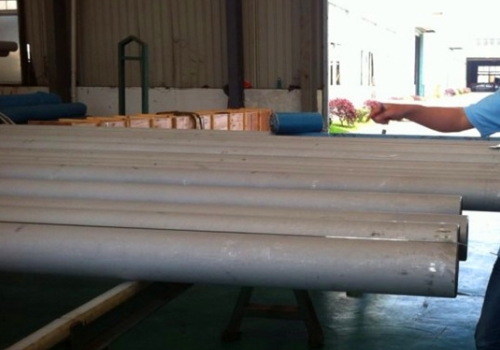
I met a buyer named Jackie at a global trade show. He has 18 years of experience in the construction industry. He was tired of managing ten different pipe vendors. He told me his biggest challenge was finding a single company he could trust for pipes, valves, and fittings. I showed him our Centerway Steel integration system.
Good suppliers never hide their metal sources. You must ask for sample MTCs early. Check if they have true ISO 9001 and CE marks. Traceability stops fake metals from entering your valuable plant.
The weld is the most important part of an EFW pipe. Ask the supplier how they test the specific welds. They must have in-house X-ray or ultrasonic testing equipment available.
Late pipes stop the whole construction project. Ask for a clear production timeline before you order. Make sure they pack the heavy pipes safely for rough sea transport.
Help us help you better. Include these exact details in your next email.
| Item | Detail needed |
|---|---|
| Material | UNS N08020 / Alloy 20 |
| Standard | ASTM B464 |
| Size Info | OD, Wall Thickness, Length |
| Quantity | Total Meters or Pieces |
Unanswered questions cause bad buying choices. You waste time searching the internet for basic facts. I answer your most common Alloy 20 questions right here. People often ask what UNS N08020 is also known as; it is Alloy 20. It suits sulfuric acid service perfectly. EFW pipe is welded, while seamless is extruded. The standard for welded Alloy 20 is ASTM B464.
My email inbox is full of the same questions every single week. New buyers often feel shy to ask basic things. I always tell them that no question is stupid in the complex piping industry.
Most process engineers simply call it Alloy 20. Some older engineering drawings might call it Carpenter 20. They all mean the exact same nickel-iron-chromium material grade.
Yes. This is its main industrial job. It resists sulfuric acid very well. But you must check the concentration and heat levels first. It handles 20 percent to 40 percent acid well. Boiling hot concentrated acid still requires extreme caution.
A seamless pipe has no weld seam at all. We make an EFW pipe by rolling a flat steel plate and welding the seam with electricity.
ASTM B464 and ASTM B464M are the two standards you need to use for welded pipes.
| Standard | Pipe Process Type |
|---|---|
| ASTM B464 | Welded Pipe |
| ASTM B729 | Seamless Pipe |
You need to tell us the material grade, the pipe size, the standard code, and the total quantity. This helps us quote fast.
Nickel alloy UNS N08020 EFW pipes handle your tough acid tasks perfectly. Check your standards carefully. Send us your project details today. We will quote you the best integrated solution.











 English