

Building a strong foundation is hard. Weak piles cause massive structural failures and cost overruns. We offer the perfect solution with high-strength structural steel pipes. An a252 piling pipe is a cylindrical steel pile that acts as a permanent load-carrying member or concrete shell. It provides crucial structural support for buildings, bridges, and deep foundations, ensuring your construction safely handles heavy loads.
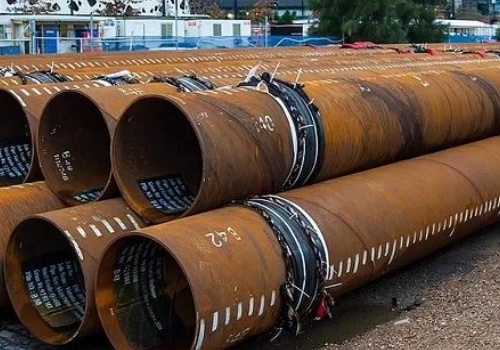
You might wonder if any steel pipe can do the job. Choosing the wrong specification ruins your project timeline and budget. Let us break down exactly what you need to know so you stop reading useless guides and start making smart purchasing decisions.
Selecting weak materials leads to disaster. Bad soil and heavy loads easily crush standard pipes. You need a pipe built strictly for high pressure. This pipe must meet strict strength, durability, and ductility standards. It withstands high pressure and tensile loads during pile driving. The steel composition ensures it resists cracking and supports heavy construction materials safely over decades.
When we supply these piles to construction sites, we see exactly why strength matters. The pipe takes a massive beating during installation.
· Excellent ductility: Flexes slightly under extreme stress instead of snapping unexpectedly.
· Customizable dimensions: Fits specific project designs with large diameters and thick walls.
Controlling the chemical makeup prevents brittle steel. Too much carbon makes the pipe hard to weld.
· Grade 1 and 2 limit carbon to a maximum of 0.26% to 0.45% (depending on the exact batch).
· Manganese levels stay between 0.40% and 1.35% to boost the metal hardness.
· Phosphorus and sulfur stay very low to stop brittleness and keep welding fast and easy. If you ignore these chemical limits, you risk weld failures on site. Repairing a cracked weld on a driven pile costs thousands of dollars in delays. We test every batch to guarantee the chemistry perfectly matches the standard.
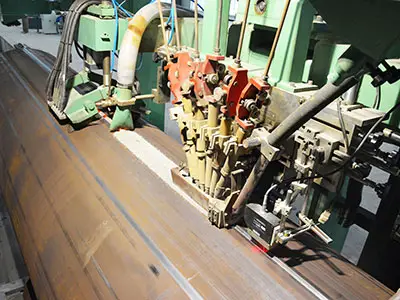
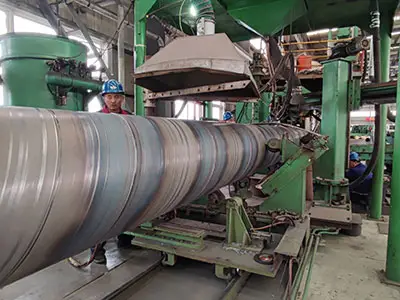
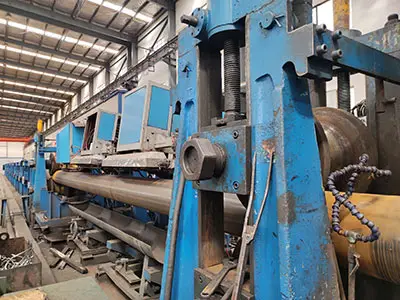
Pipe failures underground are unfixable. Poor manufacturing leaves hidden weak spots. We follow strict steps to create flawless pipes. We start with high-quality carbon steel. We heat and roll the steel, apply precise heat treatments, and perform rigorous tests like ultrasonic and hydrostatic checks. This guarantees every pipe handles extreme stress.
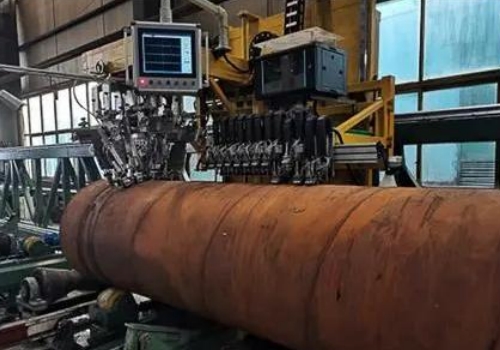
You can buy this pipe in two main forms. Your choice affects both your budget and your project performance.
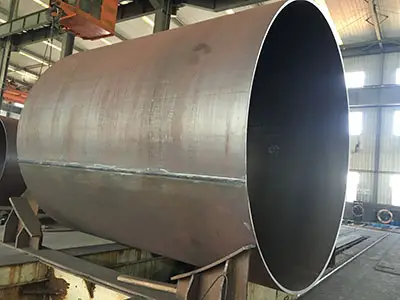
· Welded pipe: We make this by rolling steel plates and welding the seam. It costs less and works great for standard foundations. It saves you about 15% to 20% in material costs.
· Seamless pipe: We draw a solid steel billet over a rod. It has no weld seam. It costs more but handles much higher pressure.
We never guess about quality. We prove it through testing.
· Heating and rolling: Shapes the raw carbon steel perfectly into a cylinder.
· Heat treatment: Cools the pipe at a controlled rate to lock in maximum strength.
· Non-destructive testing: Uses ultrasonic waves to find hidden cracks inside the steel wall.
· Final finishing: Cuts the pipe to your exact length and prepares the ends for welding. Skipping these tests leads to collapsed piles. We provide full testing reports so you know the steel is 100% safe.
Overpaying for steel hurts your budget. Buying a weak grade causes safety hazards. We help you match the exact grade to your project needs. Grade 1 handles light loads. Grade 2 supports heavier structures and deep foundations. Grade 3 offers the highest strength for extreme environments like offshore platforms. Grade 3 remains the most common choice for heavy construction.
Choosing the right grade stops you from wasting money. Here is exactly how they compare in physical strength.
| Grade | Min. Yield Strength psi (MPa) | Min. Tensile Strength psi (MPa) |
|---|---|---|
| Grade 1 | 30,000 (205) | 50,000 (345) |
| Grade 2 | 35,000 (240) | 60,000 (415) |
| Grade 3 | 45,000 (310) | 66,000 (456) |
We guide our clients to pick the right strength level for their specific job site.
· Grade 1 applications: Works best for simple structural supports and small buildings. It welds easily and handles light duty well.
· Grade 2 applications: Fits most standard deep foundation piles. It supports heavy commercial buildings and large bridges.
· Grade 3 applications: Delivers maximum load-bearing capacity. We supply this for offshore oil rigs, subsea pipelines, and massive bridge supports. Most large projects use Grade 3 because the extra strength provides a huge safety margin. The slight increase in material cost prevents massive redesigns later.
Rust destroys steel foundations fast. Saltwater and acidic soil eat bare metal. We protect your pipes to make them last decades. We apply advanced coatings to stop rust and chemical damage. Galvanizing adds a tough zinc layer, while epoxy and polyethylene coatings block moisture and mechanical damage. These protective layers extend the pipe's life significantly.
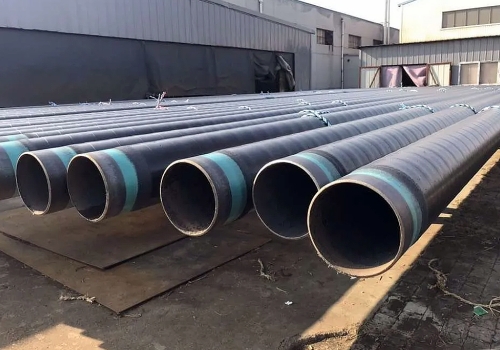
When you drive steel into wet soil or saltwater, corrosion starts immediately. A bare steel pile loses thickness every year. This weakens your foundation. Adding a protective layer is much cheaper than replacing a failed pile 10 years later.
We offer several proven methods to keep your steel safe from the harsh environment.
· Hot-dip galvanizing: Coats the steel in liquid zinc. The zinc sacrifices itself to stop rust. It gives you 20 to 50 years of extra protection (depending on soil acidity).
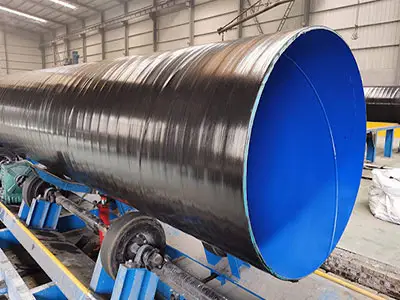
· Epoxy coatings: Creates a hard plastic shell around the metal. It resists chemicals, acidic soils, and stray electrical currents.
· Polyethylene wrapping: Adds a thick, durable barrier that stops mechanical scratches when driving the pile into rocks. Investing in good coatings reduces your long-term maintenance costs to zero. You bury the pipe and never worry about it again.
Ordering steel pipes feels complicated. Unanswered questions cause costly delays. We compiled the most common questions to give you fast clarity. Buyers often ask about lengths, welding requirements, and delivery times. We answer these questions directly to help you plan your project better. Review our quick answers to speed up your purchasing process today.
We deal with buyers globally and hear these same critical questions every week.
Q: Can you supply custom lengths for an a252 piling pipe?
A: Yes, we cut the pipes to your exact required length before shipping. This saves your crew from doing expensive and slow field cuts on the job site.
Q: Do I need special equipment to weld Grade 3 pipes?
A: No, standard welding equipment works fine. However, because Grade 3 has slightly higher carbon, your welders must follow proper pre-heating steps to prevent weld cracking.
Q: How fast can you deliver a large order?
A: Since we maintain a massive inventory of raw materials, we usually process and ship standard sizes within 15 to 30 days.
Q: Is a seamless pipe always better than a welded pipe?
A: Not always. Seamless pipes handle higher pressure, but modern welded pipes easily meet the strict load requirements for 90% of structural foundations. Welded pipes also save you a lot of money.
An a252 piling pipe guarantees a strong, durable foundation for your toughest structural projects. Trust Centerway Steel for premium quality. Contact us today for a fast quote!





 English