

Drilling a well costs millions. A collapsed hole ruins everything. You need strong pipes to line the hole. Let me show you how these pipes save your project. Oil and gas well casing is a series of steel pipes set inside a drilled hole. It prevents the wellbore from caving in, stops fluid loss, and protects fresh groundwater. These pipes ensure safe drilling and secure the long-term production of oil and gas.
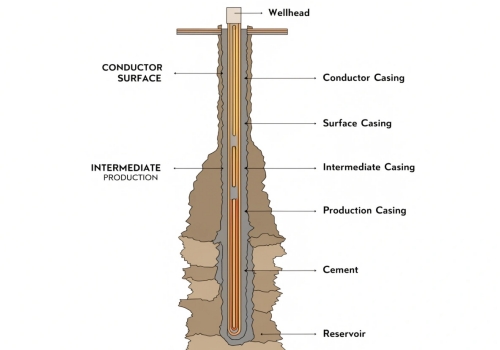
You might think any steel pipe can do the job. But using the wrong pipe leads to disaster. Read on to see the exact pipe types you need.
Soft dirt washes away fast. If you start drilling without support, the topsoil collapses. The conductor pipe stops this top-level collapse immediately. The conductor casing is the very first pipe put into the ground. It goes down 40 to 300 feet. This pipe stops topsoil and gravel from falling into the well. It also creates a path for drilling fluid to return to the surface. To understand the conductor pipe, you must look at the first steps of drilling. I remember a project where the team ignored the soil conditions. The soft sand caved in, and they lost days of work. You avoid this by using a large-diameter conductor pipe.
You can put this pipe in the ground in two ways:
· Drilling: Workers drill a big hole first, put the pipe in, and pour cement around it for hard rock areas.
Here is a quick look at common sizes and depths for this first pipe:
| Parameter | Details |
|---|---|
| Depth range | 40 to 300 ft |
| Common diameter | 16 to 30 inches |
| Main risk | Formation washout |
| Solution | Quick installation and cementation |
Contaminating drinking water brings huge fines. A weak upper wellbore causes blowouts. Surface pipes seal off fresh water and keep your drilling safe. Surface casing runs from 500 to 1,000 feet deep. Workers drill a hole and cement this pipe completely to the surface. It covers fresh water zones to prevent pollution and supports the blowout preventer to control unexpected well pressure.
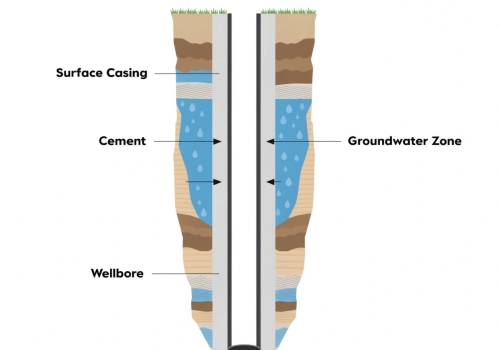
Surface pipes do more than just hold the hole open. They carry the weight of all the equipment above. I always check the surface pipe specs carefully because a failure here is catastrophic.
You rely on this pipe for several critical jobs:
1. Covering shallow fresh water zones from contamination.
2. Supporting the blowout preventer (BOP) for well control.
3. Stopping lost circulation in shallow depths.
4. Preventing hole-caving in weak rock layers.
If you skip good cement work here, gas can leak into groundwater. This ruins the local water supply. You will face project shutdowns.
| Risk Factor | Impact | Prevention |
|---|---|---|
| Poor cement | Water pollution | Use high-grade cement |
| Weak steel | Pipe collapse | Buy certified steel pipes |
| Low pressure rating | Blowout risk | Match pipe to BOP specs |
Deep drilling hits high-pressure zones. Normal mud weights cannot hold these pressures. Intermediate pipes isolate these dangerous zones so you can drill deeper safely. Intermediate casing goes deep to seal off high-pressure zones, weak rock, and lost circulation areas. Sometimes, you use a casing liner instead. A liner does not go all the way to the top. It hangs from the previous pipe, saving you money. When you drill deep, the earth changes. You hit salt layers, shale that falls apart, or gas pockets. You need intermediate pipes to seal these off. If you use a full pipe to the surface, it costs a fortune. This is where liners come in.
Liners give you the same protection but use less material. They hang from the bottom of the previous pipe, overlapping by about 300 to 500 feet.
· Reduces total pipe weight.
· Saves money on steel and cement.
· Allows you to use larger pipes deeper in the well.
Look at the differences between a full string and a liner:
| Feature | Full String | Liner |
|---|---|---|
| Reach | Surface to deep zone | Previous pipe to deep zone |
| Cost | High | Low |
| Weight | Very heavy | Much lighter |
| Setup time | Longer | Shorter |
You must choose based on your budget and well design. I prefer liners for long, deep sections. They make the whole purchasing process much easier and keep the project budget under control.
Oil and gas must reach the surface cleanly. Leaks in the pay zone ruin your profit. Production pipes bring the oil up safely without losing a drop. Production casing is the final pipe set in the oil zone. It isolates the oil from other formations. Production tubing goes inside this casing. The tubing carries the oil and gas to the surface and protects the outer casing from corrosion.
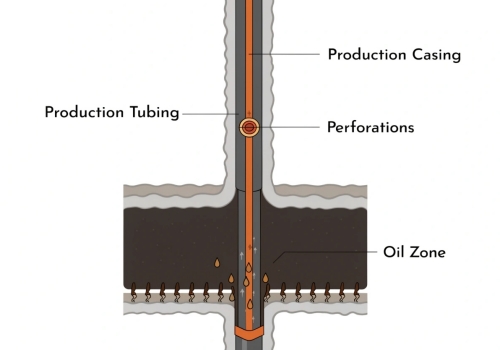
The production phase is where you make your money. If your production pipe fails, the well dies. You must run a primary cement job perfectly here. The cement holds the pipe and seals the oil zone.
You do not flow oil directly through the casing. You use tubing inside it.
1. Provides a direct path for oil, gas, and water.
2. Protects the main casing from harsh reservoir fluids.
3. Allows you to pull the pipe out for future repairs.
4. Supports gas lift injection if needed.
The fluids from the earth are highly corrosive. You need the right steel.
| Fluid Type | Risk | Tubing Material Needed |
|---|---|---|
| Sweet oil | Low corrosion | Standard carbon steel |
| Sour gas (H2S) | High cracking risk | Sour service steel |
| High CO2 | Severe pitting | Chrome alloy steel |
Buying pipes is confusing. You face many technical terms and choices. Let me answer the most common questions to make your buying process simple and fast. People often ask about the difference between casing and tubing, the materials used, and how to choose the right supplier. Casing supports the hole, while tubing transports the oil. You must choose high-grade steel to handle extreme underground pressures and corrosive fluids. Over my 18 years in the industry, I hear the same questions from buyers and engineers. You need clear answers to make good purchasing decisions.
Q: What is the main difference between casing and tubing?
A: Casing lines the drilled hole to keep it from collapsing. Tubing goes inside the casing to bring the oil and gas to the surface. You leave casing in place permanently, but you can remove tubing for repairs.
Q: Why do we use different sizes of pipes in one well?
A: You drill a well in stages. You start with a large hole at the top. As you go deeper, the hole gets smaller. You nest smaller pipes inside larger ones to fit the shrinking hole size.
Q: How do I choose the right oil and gas well casing?
A: You must look at the well depth, pressure, and fluid types. You need pipes that meet API standards. Always buy from a supplier who can provide full testing certificates and a one-stop service.
| Question Topic | Key Takeaway |
|---|---|
| Casing vs Tubing | Casing supports, tubing transports |
| Pipe Sizes | Telescoping design fits the hole |
| Purchasing | Demand API standards and certificates |
Choosing the right oil and gas well casing ensures your project runs safely and profitably. Contact Centerway Steel today to get top-quality pipes for your next big drilling project.






 English