

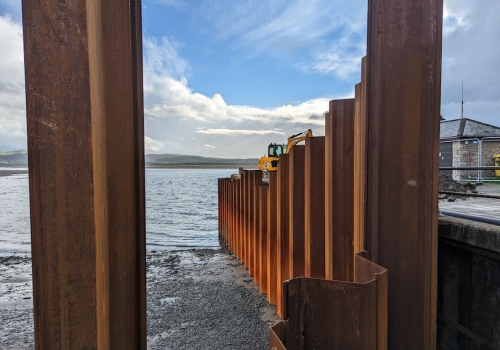
Struggling with unstable ground or water control on your construction site? These challenges can cause major delays and budget overruns, putting your entire project at risk. A steel sheet pile wall is a continuous barrier made from interlocking steel sections driven into the ground. It's a proven solution for retaining earth and water, offering exceptional structural support for temporary or permanent works, and ensuring your project's safety and integrity from day one.
You see the basic idea, but the real value is in the details. The effectiveness of a sheet pile wall depends on choosing the right type for the specific job. Not all piles are created equal, and understanding the differences is key to a successful project. Let's explore what makes them so effective and how to select the perfect fit.
Choosing the wrong pile type can compromise your project's integrity. This mistake can lead to design failures, costly rework, or wasted money on over-engineered solutions. The main types are Z-type, U-type, and Flat Web piles. Z-types are the most common for retaining walls due to their superior strength-to-weight ratio. U-types are also widely used, while Flat Web piles are specialized for creating large, circular cellular structures requiring high tensile strength.
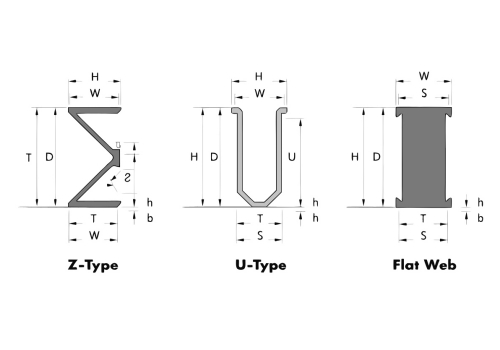
The type of pile you choose is one of the most critical decisions you'll make. Each has a unique geometry designed for specific loads and soil conditions. As a supplier, I always start a consultation by understanding the project's engineering demands before talking about products. Here’s a simple breakdown to help you understand the core differences:
| Pile Type | Shape & Interlock | Primary Use | Key Advantage |
|---|---|---|---|
| Z-Type | Shaped like a Z. Interlocks are far from the neutral axis. | Retaining walls, cofferdams, bulkheads. | Highest strength-to-weight ratio. Efficiently resists bending. |
| U-Type | Shaped like a U. Interlocks are on the neutral axis. | General purpose retaining walls. Popular in many regions. | A long-standing, reliable profile with a proven track record. |
| Flat Web | Flat profile. Interlock relies on tensile strength. | Circular cellular structures, like gravity cells or large cofferdams. | Forms large, stable, enclosed structures that resist immense pressure. |
Your project needs a proven, reliable solution for excavation and foundation support. Using experimental or less robust methods can lead to schedule blowouts or, worse, catastrophic failures. A steel sheet pile wall is used for everything from temporary retaining walls and cofferdams to permanent bridge abutments and underground parking garages. Its strength, rapid installation, and ability to create a watertight barrier make it an indispensable tool for complex civil engineering and construction projects worldwide.
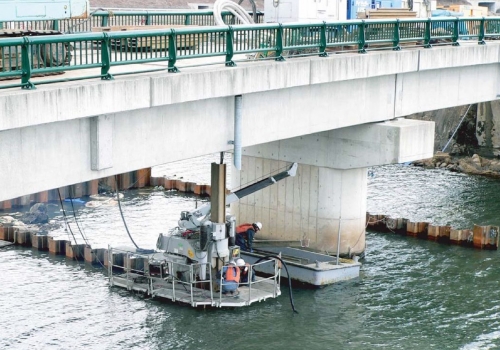
I've seen these walls perform in some of the most challenging environments. Their versatility is their greatest asset. For example, I remember working with a partner in Australia on a major port expansion. They needed to build new piers in a busy marine zone and required a robust, temporary cofferdam to create a dry work area. The soil was challenging, and the tidal pressures were significant. We worked closely with their engineering team to analyze the conditions. We recommended a solution using high-strength Z-type piles made from A690 marine-grade steel for its excellent corrosion resistance. We also helped them specify a special sealant for the interlocks to ensure the cofferdam was completely watertight. The installation was fast, and the wall performed flawlessly, allowing the project to proceed ahead of schedule. This experience highlights that a steel sheet pile wall isn't just a product; it's a critical engineering solution that, when applied correctly, guarantees project success.
You want more than just a product; you want long-term value for your project. Simply buying the cheapest option can lead to higher lifetime costs through maintenance or failure. To maximize value, focus on the total project lifecycle. This means choosing the right steel grade for corrosion resistance, leveraging the rapid installation to shorten schedules, and planning for the reuse or recycling of piles, which boosts sustainability and your return on investment. When we talk about value, it goes beyond the initial price per ton. First, consider the speed. Installing steel sheet piles is significantly faster than constructing a cast-in-place concrete wall. This speed translates directly into cost savings on labor, equipment rental, and overall project financing. Second, focus on durability. By selecting the right steel grade, such as ASTM A572 for general use or A690 for marine environments, you ensure the structure has a long and low-maintenance service life. Finally, think about circularity. For temporary works, steel sheet piles can be extracted and reused on multiple projects. At the end of their life, they are 100% recyclable. This isn't just good for the environment; it’s great for your bottom line. As a one-stop supplier, we help you factor all these elements in, ensuring you get an integrated solution that provides the best possible value from procurement to project completion and beyond.
A steel sheet pile wall is a fast, strong, and versatile solution for your project's earth and water retention needs, delivering both performance and long-term value when properly specified.











 English