

Bad foundations ruin big projects. Weak pipes crack under pressure. I use ASTM A252 steel pipe piles to build solid foundations that last for decades. ASTM A252 steel pipe piles are structural materials used for deep foundations and load-bearing projects. The standard defines three grades based on strength. Builders use them in bridges, ports, and high-rise buildings to transfer heavy loads safely into solid ground.
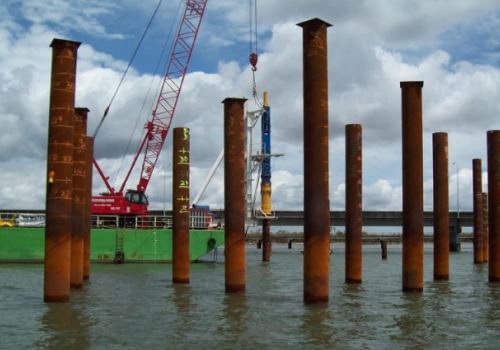
You might wonder about the exact specifications of these materials. I will break down the precise details for you below.
Picking the wrong pipe grade causes structural failures. Confusing specs waste your project budget. I always match the exact grade to the soil conditions. ASTM A252 steel pipe piles come in three grades. Grade 1 offers basic strength. Grade 2 handles medium loads. Grade 3 provides the highest yield strength at 45 ksi. You can choose seamless or welded types based on your project needs.
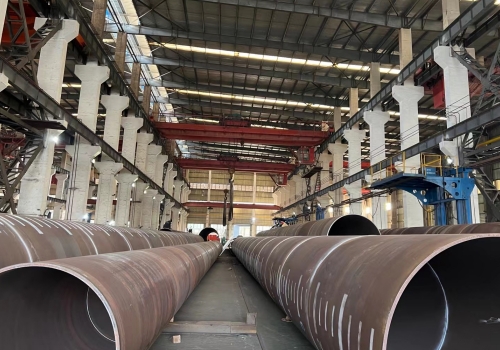
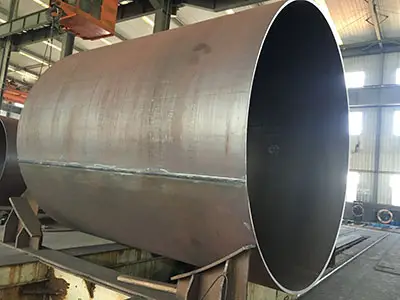
I check the dimensions carefully before every shipment. Our European clients demand strict quality control. The standard sets clear rules for pipe sizes. We produce pipes from 6 inches up to 120 inches in diameter. The wall thickness ranges from 0.109 inches to 1 inch.
You must understand the mechanical properties to make a safe choice.
| Grade | Minimum Yield Strength | Minimum Tensile Strength | Common Use Case |
|---|---|---|---|
| Grade 1 | 30 ksi (205 MPa) | 50 ksi (345 MPa) | Light foundations |
| Grade 2 | 35 ksi (240 MPa) | 60 ksi (415 MPa) | Most load-bearing jobs |
| Grade 3 | 45 ksi (310 MPa) | 66 ksi (455 MPa) | Bridges and marine projects |
Soft soil stops construction work fast. Heavy structures sink without proper support. I rely on strong steel pipe piles to stabilize buildings on any ground. Builders use ASTM A252 steel pipe piles in demanding load-bearing environments. Typical applications include bridge foundations, high-rise buildings, offshore oil platforms, and port docks. They provide excellent structural support in soft soil, deep water, or harsh marine conditions.
I see these pipes solving huge engineering problems across Europe. We recently delivered customized piles to a German bridge project. The local soil was extremely muddy. The contractor drove our thick-walled piles deep into the bedrock. This created a rigid base for the bridge piers.
Here are the main areas to apply these materials.
| Industry | Specific Application | Key Benefit |
|---|---|---|
| Construction | High-rise deep foundations | Stops building settlement |
| Marine | Offshore wind platforms | Resists harsh wave impact |
| Hydraulic | Dam and embankment support | Prevents soil erosion |
| Infrastructure | Subway tunnel entrances | Keeps underground soil stable |
Overpaying for high grades hurts your bottom line. Under-specifying risks a total collapse. I analyze the project data first to find the most cost-effective solution. To choose the right ASTM A252 steel pipe piles, you must evaluate the load demands, soil conditions, and environmental risks. Select Grade 3 for heavy loads. Add epoxy coatings for marine use. Ensure the supplier provides third-party quality inspection reports.
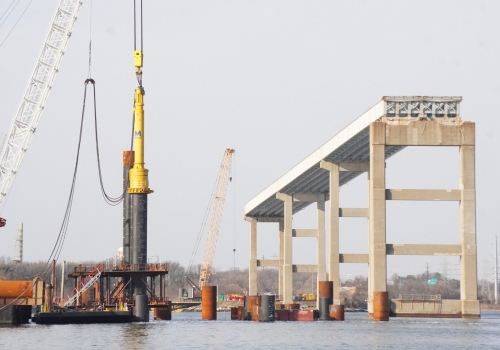
I ask buyers about their ground conditions first. Soil type changes everything. Hard rock needs a thick wall. The thick wall prevents buckling during pile driving. Soft clay requires a larger outer diameter. The wider diameter increases skin friction.
Our European partners care deeply about standards. Quality certificates prove the pipe's reliability.
| Factor | Consideration | Recommendation |
|---|---|---|
| Grade Selection | Budget vs. Strength | Use Grade 2 for standard jobs. |
| Corrosion | Water or soil exposure | Order hot-dip galvanizing. |
| Fabrication | Seamless or Welded | Buy welded for general piles. |
| Certification | Quality assurance | Demand SGS or TÜV reports. |
Old manufacturing methods produce weak spots. Traditional materials rust too quickly offshore. I track new technologies to deliver stronger and longer-lasting piling solutions. The future of ASTM A252 steel pipe piles focuses on advanced alloy materials, automated welding, and specialized anti-corrosion coatings. Global standardization will increase. Suppliers will offer tailored dimensions to support offshore wind farms and complex deep-sea infrastructure projects.
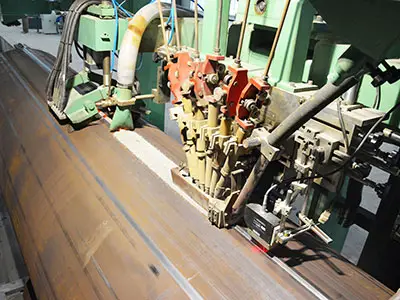
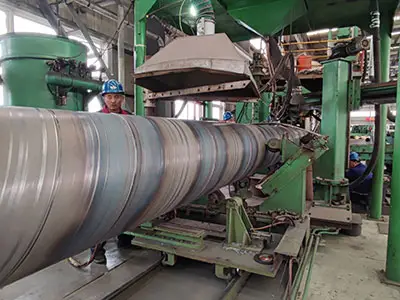
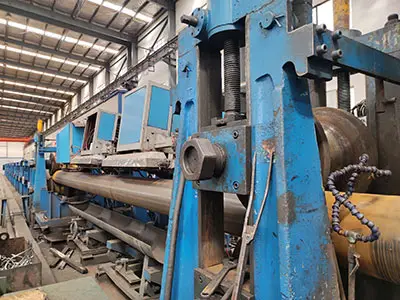
I see a massive shift toward smart production lines. We use automated welding machines in our workshops today. The machines remove human error. The weld seams become perfectly uniform. This upgrades the overall durability of the steel pipe piles.
The European offshore wind market is booming. These giant turbines need massive foundations.
| Trend | Impact on Piling | Industry Focus |
|---|---|---|
| Advanced Alloys | Higher yield strength | Deep-water offshore rigs |
| Green Energy | Massive diameter demand | Wind turbine foundations |
| Smart Coatings | Self-healing rust protection | Harsh chemical environments |
| Global Standards | Unified CE/ISO compliance | Cross-border mega projects |
I frequently discuss customized dimensions with wind farm engineers. They need pipes with extreme wall thicknesses. Standard sizes do not work for them. We adjust our production lines to meet these unique specs. The market demands greener manufacturing processes today. We recycle steel scrap to lower our carbon footprint. This aligns with European environmental targets. I believe customized piling materials will dominate the construction sector soon. We stand ready to supply these next-generation materials globally.
Q: Can you use ASTM A252 steel pipe piles for fluid transportation?
A: No. We design these pipes purely for load-bearing foundations. They do not handle fluid pressure systems.
Q: What is the main difference between Grade 2 and Grade 3?
A: Grade 2 has a minimum yield strength of 35 ksi. Grade 3 offers 45 ksi. I recommend Grade 3 for extreme heavy loads.
Q: Do these steel pipe piles come with anti-corrosion coatings?
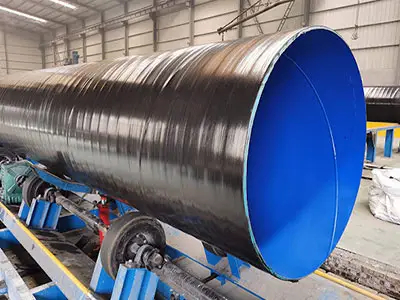
A: Yes. We apply hot-dip galvanizing, rust-proof paint, or epoxy coatings based on your specific project environment.
Q: Should I choose welded or seamless pipes for my foundation project?
A: Welded pipes save money and suit most normal foundation jobs. I recommend seamless pipes for projects requiring maximum impact strength under extreme loads.
ASTM A252 steel pipe piles provide unbeatable strength for deep foundations. You can build safe bridges, secure high-rises, and tough offshore platforms using these reliable structural materials.











 English