

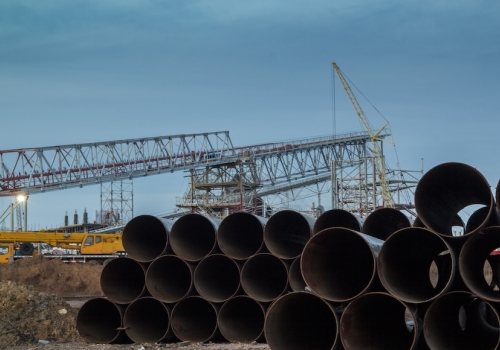
You face weak soil conditions on your construction site. Your buildings need a solid foundation to prevent sinking. A strong pipe pile solves this major safety problem quickly. A carbon steel piling pipe is a hollow steel tube that you drive into the ground to support heavy building loads. It transfers the weight from the structure deep into stable soil or rock, keeping your foundation safe and steady.
I know how stressful foundation planning feels. I have spent 18 years in the construction industry buying materials. Let me break down exactly what makes these pipes work so you never doubt your foundation choice again.
Using weak materials leads to dangerous foundation failures. You cannot risk a structural collapse because of bad steel. Good standards keep your buildings standing tall. A carbon steel piling pipe must meet strict strength, toughness, and corrosion resistance standards. The steel needs a high yield strength of at least 350 MPa and an anti-corrosion coating to survive wet conditions. I spend a lot of time checking material specs. If the steel fails, the whole project stops. We look for very specific numbers to make sure the site remains safe.
· Tensile strength: The pipe must not pull apart during installation. We require over 400 MPa.
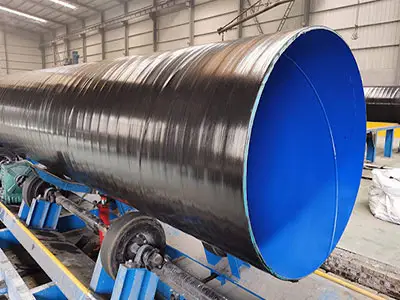
· Corrosion resistance: Soil moisture eats bare steel. We add tough epoxy coatings to stop rust.
· Impact toughness: Hammers hit these pipes hard. Good toughness stops cracks in cold weather.
· ASTM A252: The standard American rule for welded pipe piles.
· EN 10219: The European standard for structural steel. Here is a simple table showing the basic material limits I check every day:
| Requirement | Minimum Value | Purpose |
|---|---|---|
| Yield Strength | 350 MPa | Prevents bending |
| Tensile Strength | 400 MPa | Prevents breaking |
| Impact Test | 27 J (at low temp) | Stops cracking |
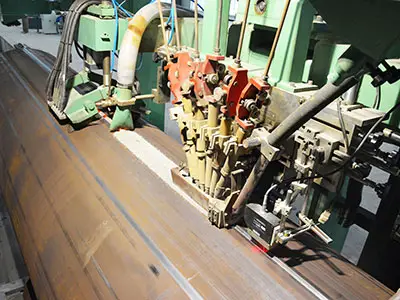
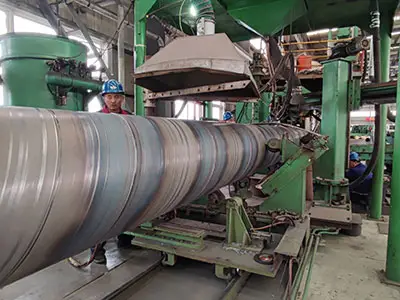
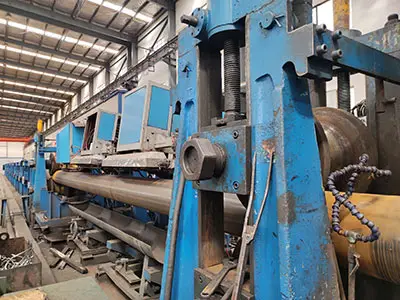
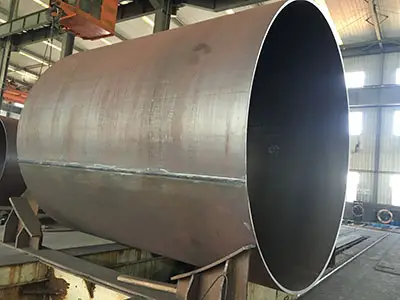
Bad manufacturing hides invisible flaws in the steel. A hidden crack underground costs millions to fix later. A clear production process provides a safe final product. We manufacture steel piling pipes using either a hot rolling or cold rolling process. We form steel plates into tubes and weld the seams tightly. Finally, we test every weld to confirm the pipe handles massive underground pressure.
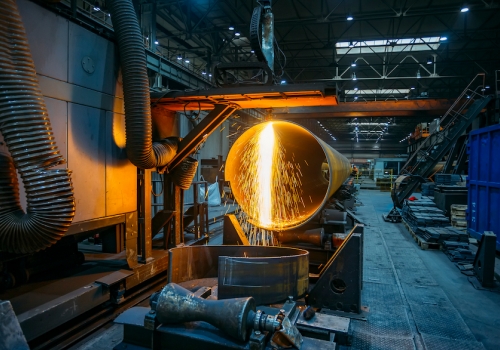
Over my 18 years in construction, I learned that the factory floor controls the site safety. We make these pipes through careful steps to ensure zero defects.
· Hot rolling: We heat the steel above its melting point to shape it. This makes carbon steel very tough and easy to work with.
· Cold rolling: We shape the steel at room temperature. We use this for special alloy pipes to keep exact shapes.
· Longitudinal welding: We join the steel in a straight line for smaller pipes.
· Spiral welding: We twist the steel and weld it in a spiral. This works best for very wide pipes.
· Visual inspection: Workers check for obvious dents or scratches.
· Ultrasonic testing: We send sound waves into the steel to find hidden air bubbles.
· Hydrostatic testing: We fill the pipe with water under high pressure to prove it does not leak. By controlling these steps, we cut down site failures to almost zero.
Concrete piles break easily during hard driving. Wood rots away in wet soil. You waste money and time replacing broken foundation materials on site. Steel pipe piles offer great strength and flexibility. They drive into hard ground without cracking, support massive weights, and allow easy length adjustments on site. This saves you high labor costs and speeds up your total construction time. I always compare costs before buying materials. Steel beats concrete almost every time when you look at the whole project budget.
· High load capacity: Steel holds much more weight per square inch than concrete.
· Easy installation: Workers drive steel pipes into the ground faster. You do not wait for concrete to dry.
· Simple modifications: If a pipe is too short, welders just add another piece on top.
· Less waste: Steel does not chip or break when the hammer hits it.
· Lower transport costs: Steel pipes weigh less than solid concrete blocks of the same size.
· Longer life: With good coatings, a steel pipe lasts over 50 years underground. I once saved a project 15% on foundation costs just by switching from concrete to steel. The site team also finished the foundation work two weeks early.
Choosing the wrong pipe size causes your building to settle unevenly. You risk structural cracks if the foundation cannot hold the upper weight. A carbon steel piling pipe comes in many sizes, usually ranging from 8 inches to over 50 inches in diameter. You match the diameter to your specific building weight. These pipes can hold loads between 50 and 500 kips.
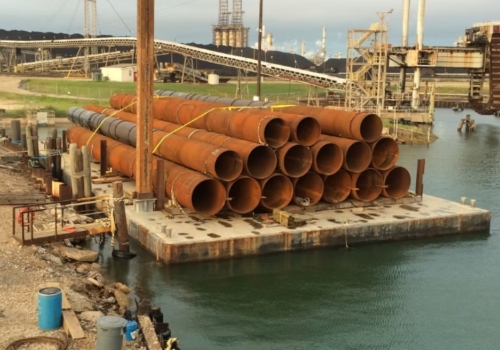
You must match the pipe size to the dirt and the building weight. A heavy bridge needs a massive pipe, while a small warehouse uses a standard size.
· Small diameters: 8 to 14 inches. We use these for light commercial buildings.
· Medium diameters: 16 to 28 inches. This is the most common range for heavy structures.
· Large diameters: 30 to 50 inches. We need these for huge port projects and bridges.
Here is a quick reference table showing how size affects the weight it can hold:
| Pipe Diameter | Wall Thickness | Typical Load Capacity |
|---|---|---|
| 10 inches | 0.25 inches | 50 to 100 kips |
| 24 inches | 0.50 inches | 200 to 300 kips |
| 48 inches | 1.00 inches | Over 500 kips |
If you buy smart, you avoid paying for thicker steel than you actually need.
You probably still have some quick questions before you order materials. Finding clear answers takes too much time searching through thick engineering books. Here are the most common questions buyers ask about steel piling pipes. We cover the differences between open and closed ends, anti-corrosion methods, and the exact lifespan you can expect from your underground steel foundation. I answer these exact questions for my design team almost every week.
· Open-ended pipes let soil enter the tube during driving, and we use them for very hard ground.
· Closed-ended pipes have a steel plate at the bottom, and we use them to push soft soil away to gain more friction.
· Without protection, steel rusts quickly.
· We add epoxy coatings or concrete linings so a well-protected pipe easily lasts 50 to 100 years underground.
· Yes, we use them in rivers and oceans all the time.
· For salt water, we apply thicker marine-grade coatings or use special metal mixes to stop fast rusting.
Do you test the pipes before shipping?
Yes, we test the steel chemistry, check the weld strength, and measure the exact dimensions before a single pipe leaves our factory.
A solid foundation starts with a high-quality carbon steel piling pipe. Contact Centerway Steel today to get the perfect pipes for your next big construction project!





 English