

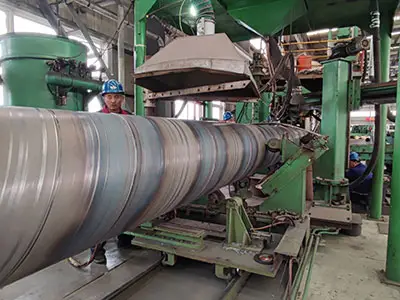
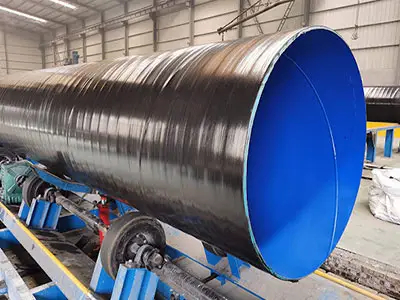
Pipeline corrosion costs you money and causes dangerous leaks. You need a reliable solution. A highly certified coated pipe solves these severe environmental threats immediately. A ce certification ssaw 3pe coated steel pipe is a spiral submerged arc welded tube covered with three protective layers: epoxy, adhesive, and polyethylene. It meets European safety standards, offering superior anti-corrosion, waterproof, and impact-resistant properties for water, gas, and oil transport.
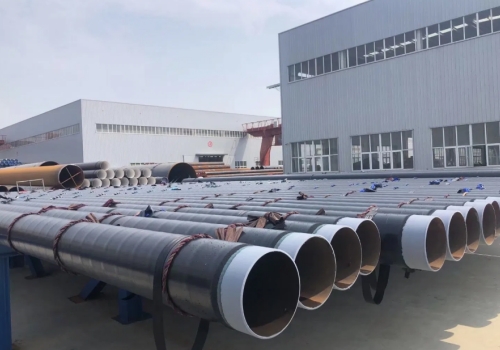
You might wonder how this specific pipe stands up to extreme conditions in the field. Let us break down the exact technology that keeps your pipelines safe and your maintenance costs near zero.
Single-layer coatings fail under soil stress and moisture. This leads to early pipeline replacement. A three-layer system prevents this damage and secures your investment for decades. The 3PE system combines the excellent chemical resistance of Fusion Bonded Epoxy (FBE) with the mechanical damage protection of Polyethylene (PE). An intermediate adhesive layer binds them securely. This creates a flawless shield against water, soil chemicals, and physical impacts. When we produce these pipes at Centerway Steel, we see firsthand why each layer matters so much. If you only use FBE, you get great adhesion but poor impact resistance. If you only use PE, water eventually creeps under the coating. You need all three to guarantee safety.
· Layer 2 (Adhesive): Ranging from 170 to 250μm, this special copolymer bridges the gap between the epoxy and the plastic exterior.
· Layer 3 (Polyethylene): From 2.5mm to 3.7mm thick, this outer shell takes the physical beating from backfilling and ground movement. Here is a quick look at standard thickness requirements:
| Pipe Diameter (mm) | Minimum 3PE Coating Thickness (mm) |
|---|---|
| Under 250 | 2.0 |
| 273 - 478 | 2.2 |
| 508 - 762 | 2.5 |
| Over 813 | 3.0 |
By combining these materials, you get a pipeline that lasts over 50 years. You do not need secondary anti-corrosion treatments, saving you thousands of dollars on installation and upkeep.
Choosing unproven suppliers risks your project timelines and safety records. You need a partner with global experience. We deliver tested solutions to strict markets worldwide. Our ce certification ssaw 3pe coated steel pipe exceeds international quality demands. We recently supplied 5,000 tons of this exact specification for an underground water transmission network in Australia, proving our ability to meet strict environmental and structural standards perfectly.
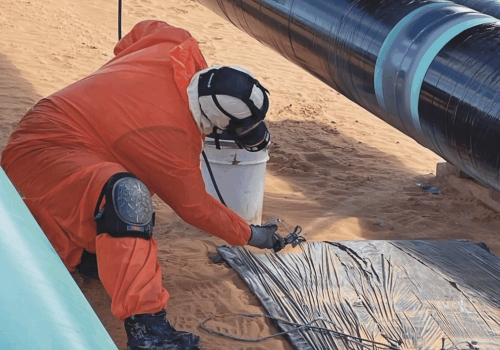
Working with the Australian market taught us the true value of strict certification and mature project execution. The client faced aggressive soil conditions and needed a pipeline that would not require maintenance for at least half a century.
· The Challenge: The project required crossing a high-salinity coastal zone with heavy soil stress.
· The Solution: We provided our spiral welded pipes with a heavy-duty 3-layer polyethylene coating.
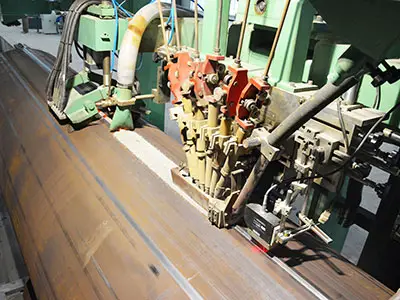
· The Result: The smooth internal surface (Manning coefficient of 0.009) reduced pressure loss, saving the client 15% in pumping energy costs. Because our products carry European standard approvals, the Australian engineers trusted our quality control immediately. We managed the entire process, from raw steel coil selection to the final non-destructive testing of the welds and coating holiday detection. You can rely on this same level of professional execution for your own projects. We handle the technical risks so you can focus on laying the pipe and completing your job on schedule.
High maintenance costs destroy project budgets over time. You want to install a pipe and forget about it. This coating delivers that exact peace of mind. The 3PE coating offers a 50-year service life, extreme flexibility, and outstanding wear resistance. It handles temperatures from -60℃ to 60℃ without cracking, making it safe for winter installations and highly resistant to seismic shifts or ground movement. You get more than just rust prevention when you choose this material. We test these pipes rigorously in our factory, and the data shows massive improvements over bare or varnished steel options.
· Durable Lifetime: The chemical stability of the PE structure prevents corrosion from natural gas, liquefied petroleum gas, and harsh soil chemicals.
· Flexibility: The coating material is incredibly soft and flexible. You can bend the pipe slightly during installation without damaging the protective shell, bypassing obstacles easily.
· Wear Resistance: Testing proves that a PE pipe resists wear four times better than a bare steel pipe. If you transport mud or slurry, this is your best option.
· Environmental Safety: We do not use heavy metal stabilizers. The PE is non-toxic, recyclable, and totally safe for drinking water networks. Here is how it compares to older methods:
| Feature | 3PE Coating | Traditional Bitumen |
|---|---|---|
| Lifespan | 50+ Years | 10-15 Years |
| Impact Resistance | Excellent | Poor |
| Water Absorption | <0.01% | High |
| Installation Temp | Down to -60℃ | Above 5℃ |
You save money on shipping too, because the coating adds almost no weight while providing maximum protection.
Browsing technical specs often leaves you with lingering doubts. Unanswered questions delay your purchasing decisions. We address your most common concerns directly right here. Customers frequently ask about the connection methods, raw materials, and specific uses of our pipes. You can easily weld these pipes using hot melt and fused connections, ensuring zero gas or water leakage across your entire pipeline system.
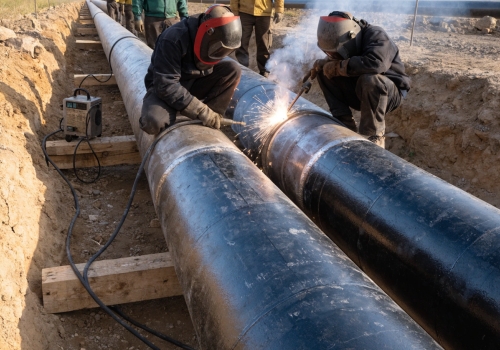
To help you make the best choice, I have compiled the most common questions we receive from project buyers around the world.
Q: Can you apply 3PE to any type of pipe?
A: Yes. While we often use it on our ce certification ssaw 3pe coated steel pipe, we can also apply it to seamless, ERW, stainless, or alloy steel pipes based on your needs.
Q: How do you connect these pipes in the field?
A: You mainly use hot melt and fused connections. We leave the pipe ends bare (cutbacks) for welding, and you apply a heat-shrinkable sleeve over the joint after welding to maintain the continuous 3-layer protection.
Q: Is the 3PE coating process expensive?
A: The initial cost is slightly higher than basic paint. However, the 50-year lifespan and zero maintenance make it the most cost-effective solution for long-distance pipelines.
Q: Does Centerway Steel provide the necessary test certificates?
A: Absolutely. We provide full traceability, mill test certificates (MTC), and third-party inspection reports (like SGS or BV) alongside our standard CE approvals.
3PE coating guarantees a 50-year lifespan, unbeatable corrosion resistance, and major cost savings. Contact Centerway Steel today for a free quote on your next pipeline project.











 English