

Are you struggling to find pipes that can handle high temperatures without failing? Poor piping choices can lead to dangerous leaks. An efw stainless steel pipe is the perfect solution. An efw stainless steel pipe is an electric fusion welded pipe made by melting metal with a high-voltage current. This process creates a strong, deep weld. These pipes offer excellent resistance to heat and corrosion, making them ideal for demanding industrial and construction projects.
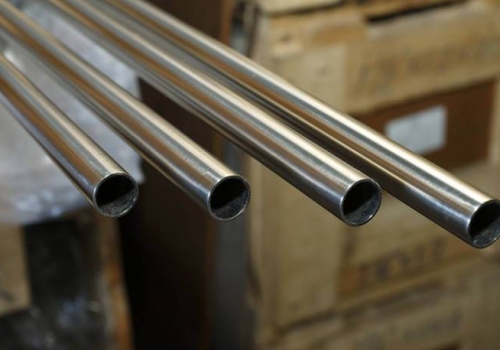
We know that choosing the right piping material can make or break your project. Let us look closer at these pipes and see why they matter so much.
Do your metal pipes rust quickly under stress? Corrosion eats away your budget. Grade 321 is a stabilized stainless steel that stops this problem completely. Grade 321 is an austenitic stainless steel mixed with titanium. This mix stops intergranular corrosion, which happens at the grain boundaries of the metal. Because of this, a 321 efw stainless steel pipe handles extreme heat and chemical exposure much better than standard pipes.
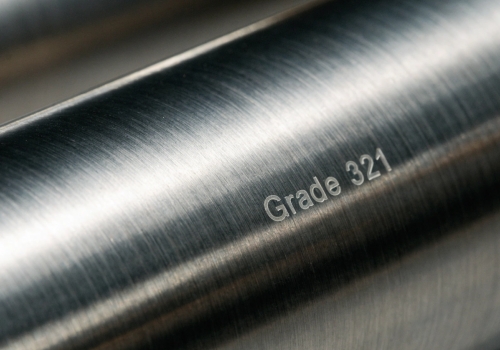
To truly understand Grade 321, we need to look at how we make it. We do not use heat treatment to harden this material. Instead, we use cold working methods. This means we shape the metal at room temperature. Cold working makes the pipe very strong but keeps it flexible. You can form it easily without breaking it. Also, welding this grade is very simple. You do not need to anneal or treat the metal after welding. The high-voltage electric fusion process melts the edges deeply. This creates a solid joint. Because it has titanium, the metal stays stable even when it gets very hot. I have seen many project sites where regular pipes cracked under high stress. But Grade 321 holds up perfectly. Just remember, you should not use it in areas with a lot of chloride, like salty water. For high heat and pressure, it is always my top choice. As a buyer, you want materials that last a long time. This grade gives you that long life.
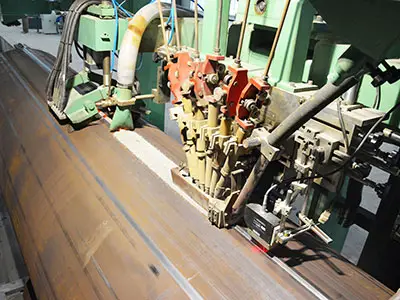
Are you confused by different welding acronyms? Picking the wrong weld type wastes time and money. Knowing the difference between EFW and ERW is very important. EFW stands for Electric Fusion Welding, which uses an electric arc to melt the metal. ERW stands for Electric Resistance Welding, which uses electric current to heat the edges before pressing them together. EFW offers deeper penetration, while ERW is better for thinner walls. Let us break down these two processes. We make an EFW pipe by heating the metal electrode until it melts completely. This high power density allows for deep penetration welding. The heat-affected area is very small. We always use X-ray checks to make sure the weld is perfect. This makes EFW pipes great for oil, gas, and fluid transport. Next, look at ERW pipes. ERW pipes start as cold-formed steel coils. We roll them into a cylinder and use an electric current to heat the edges. ERW pipes are very popular in infrastructure and coastal areas because they resist rust well. But, when you need thick walls and high-pressure capacity, EFW is the clear winner. Let us look at a quick comparison to make this easy to understand. Choosing the right one saves you money and time. I always tell my team to check the project needs first. If the pipe must hold heavy fluid, we pick EFW. If it is just for basic structural support, ERW works fine.
| Feature | EFW (Electric Fusion Welding) | ERW (Electric Resistance Welding) |
|---|---|---|
| Welding Method | Melts metal with an electric arc | Heats edges with electrical resistance |
| Penetration | Deep and strong | Shallow, good for thin walls |
| X-Ray Testing | Always required | Not always required |
| Best For | High pressure, oil, gas, fluids | Basic infrastructure, coastal areas |
Do you default to standard 304 stainless steel? It might fail under high heat. Upgrading to 321 can save your piping system from sudden breakdowns. SS 304 is a basic stainless steel. SS 321 is based on 304 but adds titanium and a slightly higher carbon content. The added titanium gives 321 higher yield strength and better protection against stress fractures in high-temperature environments. In my 18 years of experience in the construction industry, I have seen many people choose SS 304 to save money. SS 304 is a good foundation. It works well for normal tasks. But when the temperature rises, 304 starts to fail. This is where SS 321 steps in. We add titanium to the mix. We also increase the carbon content slightly. The higher carbon content gives the metal a greater yield strength. Because of these changes, SS 321 is much more ductile. It resists stress cracks better than SS 304. If your project involves constant heat or heavy loads, SS 321 will last much longer. At Centerway Steel, we always check the chemical makeup to guarantee quality. We want to be your trusted one-stop supplier. Below is the exact chemical and mechanical data you need to know. This data helps you see the real difference between the two materials.
| Element | Composition (%) |
|---|---|
| Carbon | 0.08 |
| Chromium | 17.0 - 19.0 |
| Nickel | 9.0 - 12.0 |
| Silicon | 0.75 |
| Nitrogen | 0.10 |
| Phosphorus | 0.045 |
| Sulfur | 0.030 |
Property
Value
Yield Strength
30 ksi min
Tensile Strength
75 ksi min
Elongation
40% min
Hardness
95 Rb max
Wondering if this pipe fits your specific industry? Using the wrong material risks safety. Grade 321 pipes are trusted across many heavy-duty sectors worldwide. Because of their high resistance to heat and intergranular corrosion, 321 EFW pipes are used in harsh environments. They are perfect for pressure vessels, boilers, and heat exchangers. You will find them in petrochemical plants, oil and gas fields, and power generation facilities.
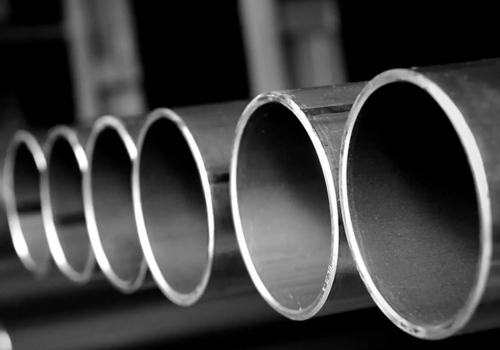
I often help clients find the right pipes for very tough jobs. When they ask for a material that handles severe stress, I point them to the 321 efw stainless steel pipe. This pipe has amazing creep and stress rupture properties. This means it will not change shape or break easily under constant heavy loads. We supply these pipes to many different fields. The petrochemical and chemical industries use them to safely move hot fluids. Oil and gas companies rely on them for deep exploration and transport. You can even find them in aircraft parts and jet engines because they are so reliable. Other common places include breweries, defense projects, mining sites, and nuclear power plants. When you partner with Centerway Steel, you get pipes that meet the strict demands of all these industries. We test our pipes thoroughly so you do not have to worry about failures.
Still have questions about these steel pipes? Searching for answers takes too much time. Here are the clear answers you need to make a smart choice. This section covers the most common questions about EFW pipes. We answer questions about heat treatment, welding needs, and corrosion resistance. These direct answers will help you understand if Grade 321 is the right fit for your next big project. Over the years, buyers have asked me many questions about these pipes. I want to share the most common ones here. This will save you time and give you confidence in your purchase. Reading these simple answers will help you avoid costly mistakes.
Q: Can you harden Grade 321 pipes using heat treatment?
A: No, you cannot harden them with heat. We only use cold working methods to increase their strength and hardness during production.
Q: Do I need to anneal the pipe after welding?
A: No, post-weld annealing is not required. The titanium in the steel keeps the weld stable and prevents decay at the joints.
Q: Is Grade 321 good for saltwater or high-chloride areas?
A: No, it is not ideal for high-chloride environments. Chloride can cause pitting corrosion. For saltwater applications, you should look at other grades like 316.
Q: Why should I choose Centerway Steel for my pipes?
A: Since 1996, Centerway Steel has been a reliable one-stop supplier. We offer first-class production, large inventories, and global certifications to guarantee top quality for your projects.
An EFW stainless steel pipe offers unmatched strength and heat resistance. Choosing Grade 321 ensures long-lasting safety for your toughest projects. Partner with us for reliable piping solutions today.











 English