

The difference between hfw pipe and dsaw pipe is the welding method. Are you stuck choosing between these pipes? Picking the wrong pipe wastes your budget. We help you buy smart. The main difference between hfw pipe and dsaw pipe lies in how we weld them. HFW uses high-frequency current without filler metal for fast, smooth welds. DSAW uses a submerged arc with filler wire to build strong, large-diameter pipes for heavy-duty projects.
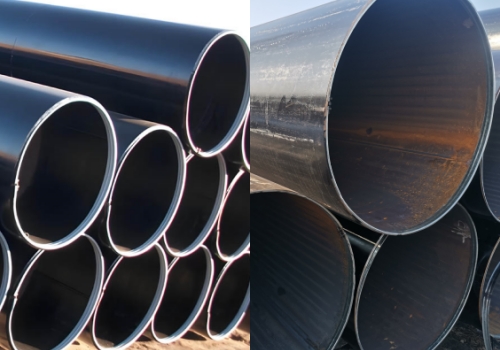
Let us look closer at how these two steel pipes work in real construction projects and why picking the correct one keeps your timeline on track.
An HFW steel pipe is a high-frequency welded tube. Are you tired of slow project deliveries? Delayed materials hurt your timeline. HFW pipes solve this with rapid continuous production. The machine uses a high-frequency current to melt the steel edges together without any extra filler material. This creates a highly smooth, strong bond that is perfect for moving water, oil, and natural gas safely.
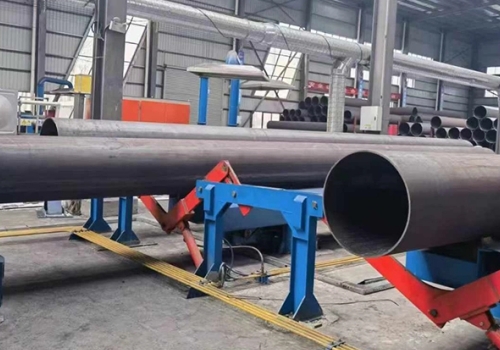
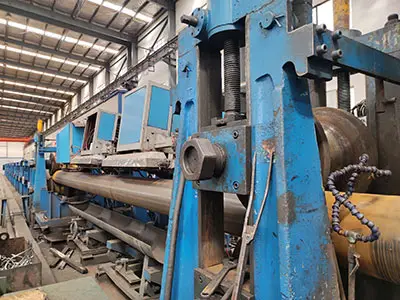
When we supply pipes for urban pipeline networks, we always suggest HFW steel pipes. The manufacturing speed is incredible. Our factory lines can weld up to 30 meters of pipe per minute. This fast production saves you money on large bulk orders.
· The weld surface remains entirely smooth.
· No filler wire means lower material costs. The HFW process creates a clean, seamless look. The machine scrapes off the hot, jagged weld flash before the metal cools down completely. This leaves a flat trace that does not block fluid flow inside the pipe. Because the process is continuous, you get a very consistent product. However, HFW machines only handle thinner walls and smaller diameters.
· Low-pressure natural gas delivery.
· City water supply lines.
· Standard building structural supports. If your project requires standard sizes, HFW gives you the best value for your budget.
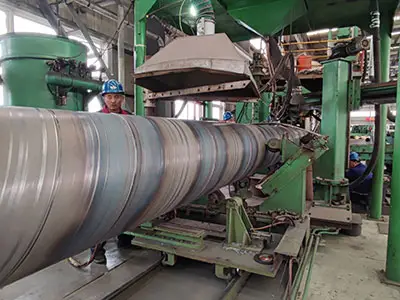
A DSAW steel pipe is a double submerged arc welded pipe. Do massive structures stress your standard pipes? Weak pipes break under heavy load. DSAW pipes offer unmatched strength. The factory welds both the inside and outside of the steel plate. A special flux powder covers the weld to stop air from ruining the hot metal, creating an incredibly strong joint for large projects.
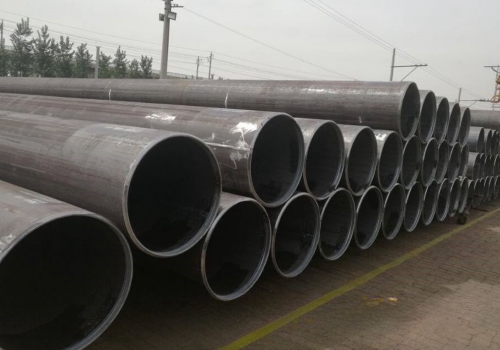
For heavy construction projects like coastal ports or large power plants, you need pipes with exact inside and outside dimensions. DSAW steel pipes do this job perfectly. We use a complex cold forming process to shape these massive pipes.
· J-step: The heavy press bends the steel plate edges first.
· C-step and O-step: The machine presses the steel into a full round shape.
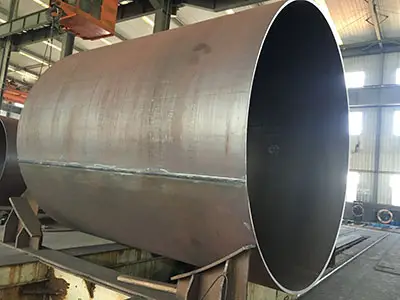
· E-step: The expander stretches the pipe to hit the exact requested size. Unlike HFW, the DSAW process uses extra steel wire as a filler material. The wire melts together with the base steel plate. This leaves a neat 1 to 3 millimeter raised weld on the surface.
· Massive sizes fit custom project needs perfectly.
· Double-sided welds handle very high pressure easily.
· Thick walls support heavy structural weight safely. This intermittent, step-by-step process takes much longer than continuous welding. Therefore, DSAW costs more, but it provides the durability you need for extreme environments.
The difference between hfw pipe and dsaw pipe lies in production speed and cost. Confused by price gaps? Overpaying ruins budgets. We explain how manufacturing choices affect your wallet. HFW uses continuous rolls for fast, cheap production. DSAW uses a slow, step-by-step pressing process that requires extra filler wire. This makes DSAW much more expensive but completely necessary for heavy-duty tasks.
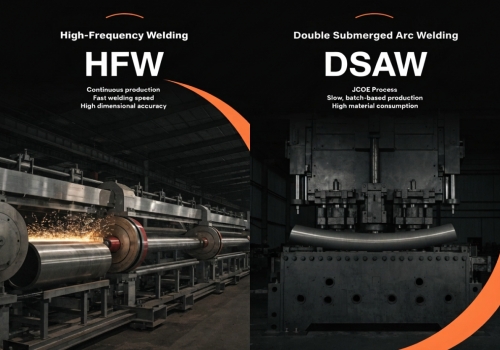
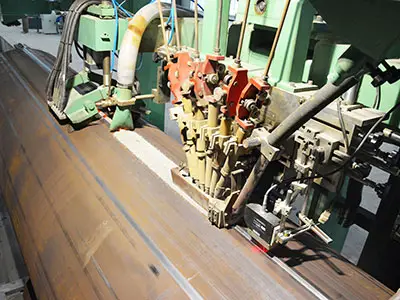
When you look at our production line, the contrast is obvious. An HFW line runs without stopping. The steel strip feeds in, and the finished pipe comes out quickly. A DSAW line requires up to 15 different intermittent steps to finish just one single pipe.
| Feature | HFW Pipe | DSAW Pipe |
|---|---|---|
| Welding style | High-frequency current | Submerged electric arc |
| Filler material | None (base metal melts) | Steel wire filler used |
| Production speed | Fast (up to 30m/min) | Slow (step by step) |
| Wall thickness | Thinner walls | Very thick walls |
| Cost level | Low to medium | High |
· Choose HFW for long water pipelines that need standard sizes.
· Choose DSAW for custom offshore platforms that face heavy ocean waves. Understanding these details helps you cut unnecessary costs. We always review your engineering drawings first. If your system pressure is low, we push you toward HFW to save your money. If safety demands extreme strength, we build you custom DSAW pipes.
The most common questions cover specific applications and cost. Still confused about steel pipes? Guessing causes bad purchases. Read our quick answers below to solve your remaining doubts. Buyers often ask about the specific applications and surface differences between these pipes. We provide straight answers to help you finalize your project materials list and ensure you buy the exact right product.
HFW pipes have a much smoother surface. Our machines scrape the weld flat before the pipe leaves the factory. DSAW pipes have a raised weld seam of 1 to 3 millimeters because we add filler wire during the welding process.
You can use HFW for large projects, but only if the required pipe diameter is small to medium. If your project needs pipes larger than what standard continuous rolls can handle, you must switch to DSAW pipes.
DSAW costs more because the cold forming process is slow and complex. It requires more manual labor, extra filler materials, and multiple separate pressing steps. HFW is an automated, continuous process that cuts down on labor and time costs.
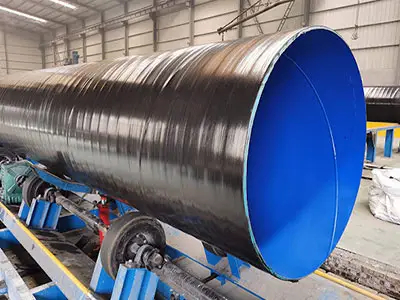
Yes, both pipes resist corrosion well if you apply the correct external coatings. We often add epoxy or galvanized coatings to both HFW and DSAW pipes before we ship them directly to your job site.
Choosing the right pipe keeps your project safe and under budget. We supply top-quality HFW and DSAW pipes globally. Contact Centerway Steel today for your next pipeline order!











 English