

Picking pipes for long-distance oil and gas pipeline projects is hard. A bad choice causes dangerous leaks and wastes money. Let us find your best X65 HFW pipe together.
To select API 5L X65 HFW steel pipes, you must check the PSL2 specification level, demand a 65,000 psi yield strength, and test the weld seam strictly. This action guarantees safe high-pressure flow and cuts down your total project costs easily.
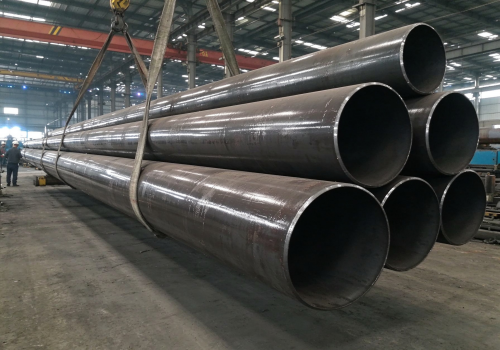
Stop reading if you only care about finding the absolute cheapest, lowest-quality tubes on the market. I know how hard it is to source reliable materials for massive EPC projects, which is why I want to share my 18 years of insider experience with you today.
We need X65 HFW pipes because high pressure breaks weak steel quickly. You face ruined sites and angry bosses. These pipes solve this exact problem for you.
You need API 5L X65 HFW steel pipes because they mix high yield strength (65,000 psi) with great price value. The high-frequency welded seam stays very strong over thousands of miles, letting you push oil and gas safely without spending extra money on thicker seamless pipes.
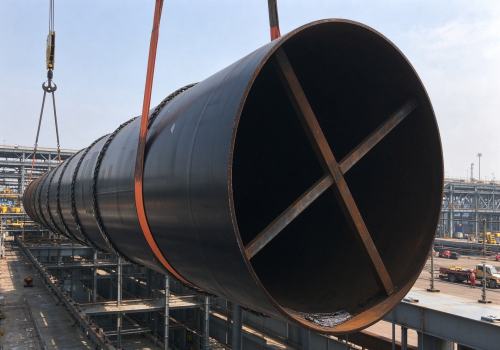
I always tell my clients to look at the exact numbers. High-frequency welded (HFW) pipes save you a lot of money compared to seamless pipes. You get the same strength but keep about 15% to 20% of your budget in your pocket. Long-distance oil and gas pipeline projects need massive amounts of steel, so this discount adds up fast.
Let me share a quick fact. When you use X65 grade steel, you can use thinner pipe walls than if you buy X52 grade. Thinner walls mean less total steel weight. Less weight means you pay less for shipping and you spend less time welding on the job site. This upgrades your total efficiency.
Here are the main reasons my EPC clients pick this pipe:
· Saves up to 20% in material costs compared to seamless options.· Delivers smooth inner walls to push oil faster.
Look at this simple comparison table to see the difference clearly.
| Feature | API 5L X52 | API 5L X65 HFW |
|---|---|---|
| Yield Strength | 52,000 psi | 65,000 psi |
| Wall Thickness Need | Thicker | Thinner |
| Total Project Cost | High | Lower |
| Best Use | Short runs | Long-distance projects |
You verify parameters by checking documents because fake reports hide bad steel. A weak pipe bursts and ruins your project. We must check every specification very carefully.
You verify the parameters by reading the mill test certificate (MTC). You need to look for a carbon mass fraction under 0.28%, a minimum tensile strength of 535 MPa, and passing grades on all non-destructive testing (NDT). This ensures your pipes never fail under stress.
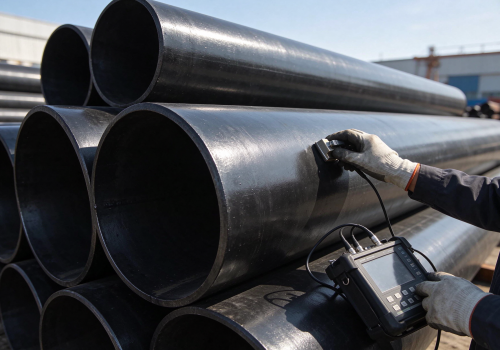
I want you to become an expert at checking steel quality. You cannot just trust the factory blindly. You must look at the hard data. For long-distance oil and gas pipeline projects, PSL2 is the strict standard you need. PSL2 means the factory tests the pipes much harder than standard PSL1 pipes.
You must ask your supplier to prove the weld seam is perfect. We use ultrasonic testing (UT) for this job. This machine sends sound waves into the steel. If the sound hits a crack, it bounces back and warns us instantly. This stops leaks before they happen.
Please follow these simple steps when you review the pipe data:
· Check the chemical mix on the report.· Confirm the factory did a hydrostatic test on every single pipe.
You must check these chemical and mechanical limits for X65 PSL2 pipes:
| Parameter | Requirement limit |
|---|---|
| Carbon (C) max | 0.28 % |
| Manganese (Mn) max | 1.40 % |
| Yield Strength min | 450 MPa (65,000 psi) |
| Tensile Strength min | 535 MPa (77,600 psi) |
3LPE and FBE coatings protect pipes because wet soil eats bare steel fast. Rust destroys pipelines quickly. A good plastic shield stops water and saves your investment.
You protect these pipes by adding anti-corrosion coatings like 3LPE, 3LPP, or FBE. A 3-layer polyethylene (3LPE) coating puts a strong plastic shield around the steel. This shield blocks water, soil chemicals, and physical hits, keeping your pipeline safe for over 50 years.
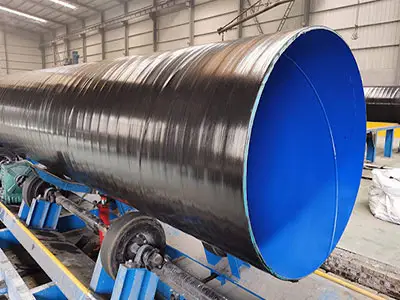
Your pipeline crosses mountains, rivers, and deserts. The environment outside the pipe is very aggressive. We apply special coatings to the outside of the API 5L X65 HFW steel pipes to fight this threat.
Fusion Bonded Epoxy (FBE) is a great base layer. The factory heats the pipe and sprays dry epoxy powder on it. The powder melts and sticks to the steel perfectly. But FBE alone can scratch easily during rough transport.
That is why I highly recommend 3LPE for most long-distance oil and gas pipeline projects. It combines the sticky FBE layer with a tough plastic outer shell. If your pipeline runs through very hot areas, you should use 3LPP (Polypropylene) instead, because it handles high heat much better.
Review these popular choices before you buy:
· Fusion Bonded Epoxy (FBE): Good basic protection.· Internal liquid epoxy: Speeds up the oil flow inside the pipe.
| Coating Type | Max Temperature | Durability | Relative Cost |
|---|---|---|---|
| FBE | 80 °C | Medium | Low |
| 3LPE | 80 °C | Very High | Medium |
| 3LPP | 110 °C | Very High | High |
You choose a reliable manufacturer through strict audits because bad factories ship late. Your crew waits and loses money. You need a fast, honest partner like us.
You choose a reliable manufacturer by checking their API 5L certificates, looking at their past EPC project records, and visiting their factory. A good supplier handles production, testing, and shipping all in one place, so you get perfect steel pipes on your schedule.
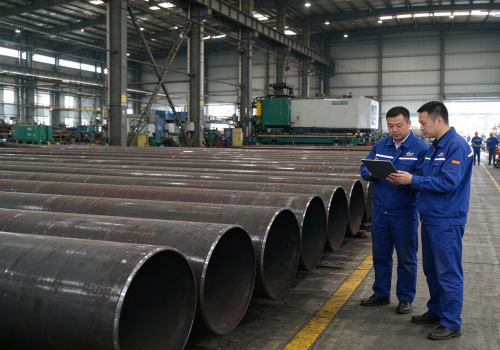
I know you want a supplier who makes your job easy. In my 18 years of work, I learned that a real one-stop supplier saves you from huge stress. Centerway Steel is exactly this kind of reliable partner. We integrate production, inventory, and sales to support your engineering pipeline systems completely.
Last year, an EPC company from Germany needed 15,000 tons of API 5L X65 HFW steel pipes for a giant project in the Middle East. We delivered the whole order two weeks early with zero test failures. That is the kind of security you need for your business.
Use this strict checklist when you talk to a new factory:
· Ask for their official API 5L and ISO 9001 certificates.· Verify their past shipping records to your country.
A bad supplier costs you time. A good supplier acts like part of your team. Here is how you compare them:
| Supplier Type | Production Control | Testing Method | Shipping Speed |
|---|---|---|---|
| Trading Company | Low | Basic | Slow |
| Centerway Steel | Complete control | Third-party verified | Fast and on time |
Do you have questions about API 5L X65 HFW steel pipe specifications? Still confused about which grade fits your specific site? Guessing the technical details costs time and money. Here are clear answers to guide your final choice. I compiled the most common questions from my clients regarding X65 HFW pipes. Read these quick answers to clear up any final doubts about testing, limits, and order details before you make your purchase.
I know buying steel pipes is a big decision. Over my 18 years of experience, buyers ask me the same important questions. To make your job easier, I put together this simple FAQ. You can find your answers right here.
Q: What is the main difference between PSL1 and PSL2 for X65 pipes?
A: PSL2 requires strict chemical limits and mandatory impact testing. We supply PSL2 pipes to ensure maximum safety for your high-pressure pipelines.
Q: Can I use these HFW pipes in sour gas environments?
A: Yes. We control the steel hardness and perform Hydrogen-Induced Cracking (HIC) tests to make your pipes safe for sour service.
Q: Do large X65 pipe orders cost more to ship to my country?
A: Ocean freight depends on volume. We have mature logistics experience and nest smaller pipes inside larger ones to save you shipping money.
Q: What documents do you provide with the pipe delivery?
A: We issue a complete EN 10204 3.1 or 3.2 Mill Test Certificate (MTC). If you have more questions, you can always reach out to me directly.
API 5L X65 HFW steel pipes cut costs and deliver extreme strength for your pipelines. Ready to upgrade? Order your premium pipes today at Centerway Steel.






 English