

You struggle to find pipes that fit different project needs. Using the wrong pipes causes leaks and wastes money. I will show you how to solve this. The versatility of efw pipes comes from their ability to handle high pressure, resist corrosion, and fit into tight spaces. You can use these pipes for oil transport, water systems, and structural supports, making them a cost-effective choice for any construction job.
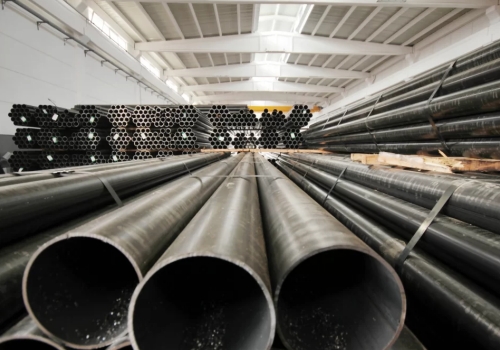
Let me explain why these pipes work so well and how they can save your budget. You will not want to stop reading now.
You might feel confused by so many steel pipe standards. Picking the wrong standard ruins your pipeline. Let us clear up the confusion right now. ASTM A358 is the standard for electric-fusion-welded austenitic chromium-nickel alloy steel pipe. We make these pipes for high-temperature and corrosive environments using type 304L or 316L stainless steel.
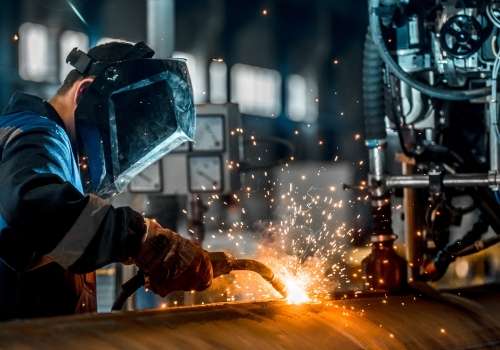
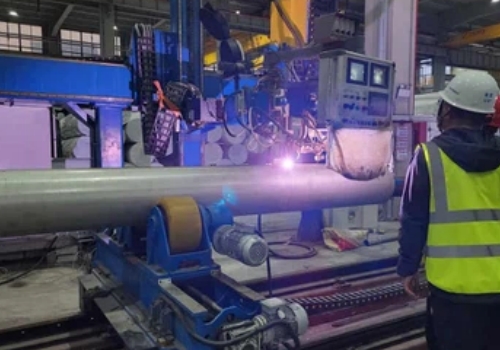
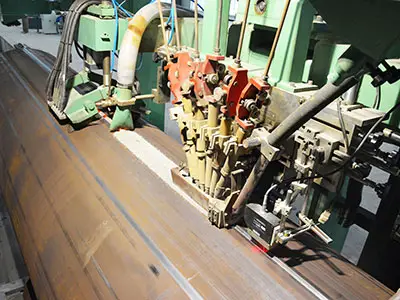
To understand these pipes, you need to look at how we make them. We use cold forming and electric-fusion welding to create a strong bond. This process gives the pipe a consistent wall thickness. A consistent thickness means better weldability and fewer weak spots.
You must know the exact parameters before you buy. Here is a simple breakdown of the ASTM A358 standard:
| Feature | Detail |
|---|---|
| Material grades | Type 304L, Type 316L |
| Wall thickness | 1/4 inch to 4 inches |
| Welding method | Electric-fusion welding |
| Main application | High-temperature and corrosive service |
We follow strict rules to ensure quality.
· Cold form the plates into a cylinder shape.
· Apply electric-fusion welding to join the edges.
· Test the surface finish and dimensions (using x-ray or ultrasonic tools). These steps guarantee that the pipes meet your safety needs. You avoid the risk of sudden pipe bursts. You also save money because you do not need to replace them often.
You waste time buying different pipes for different jobs. Managing multiple suppliers creates headaches and delays. You need one pipe type that handles many tasks. The versatility of efw pipes allows you to use them in chemical plants, power stations, and building structures. They offer high strength and seamless performance across diverse applications, which cuts down your sourcing time and lowers your total project costs.
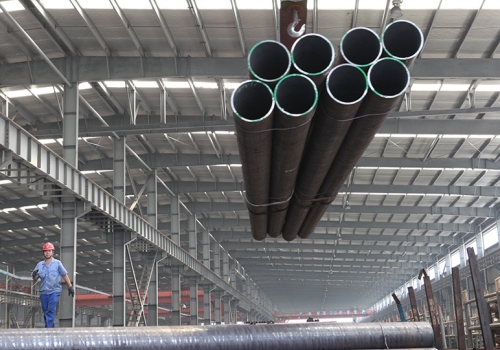
You face tight deadlines and strict budgets. The versatility of efw pipes helps you solve both problems. Because these pipes come in many custom sizes and shapes, you can fit them into tight spaces where rigid materials fail.
You will find these pipes in many demanding industries.
· Power plants for moving high-pressure steam and water.
· Offshore structures that need high strength-to-weight ratios.
· Food processing facilities that require clean and rust-free surfaces.
Let me share a quick fact. Using a single, versatile pipe type reduces your inventory costs by up to 15 percent. You do not need to store five different kinds of pipes. You just order the exact custom sizes you need. Our engineers work with you to create custom designs. This means you get a piping solution that fits your complex project perfectly. You get greater durability at a lower cost than traditional piping systems.
Rust destroys ordinary pipes fast. Frequent replacements drain your project budget and cause safety risks. You need materials that last for decades without failing. EFW pipes resist corrosion because they contain low carbon and high-quality stainless steel alloys. This resistance stops rust and prevents chemical damage in harsh weather, keeping your pipelines safe and reducing your maintenance costs over the years.
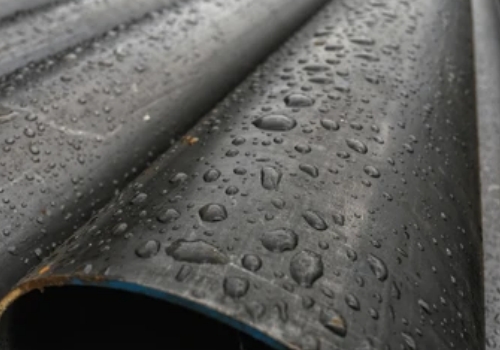
Corrosion is the biggest enemy of any pipeline. When pipes rust, they leak. Leaks cause factory shutdowns and environmental fines. You can avoid these disasters by choosing the right material.
ASTM A358 pipes use specific stainless steel grades to fight rust.
· Type 316L adds molybdenum (a special element) to stop pitting from salt water.
· Low carbon content prevents weakness during the welding process.
These pipes endure extreme temperatures without expanding or shrinking too much. This stability protects your system against harsh weather conditions. You get a leak-free performance that lasts. I have seen projects where standard pipes failed in two years due to salt exposure. In the same environment, EFW pipes stayed clean and strong for over ten years. You protect your investment and keep your workers safe when you choose corrosion-resistant pipes.
You still have some doubts before making a purchase decision. Unanswered questions make you hesitate and delay your project. Let me answer them directly. People often ask about the differences between pipe types and how to choose the right size. I have gathered the most common questions from buyers like you to help you make a fast and smart choice for your next order.
You need clear answers to buy with confidence. Here are the questions I hear most often.
Q: What is the main difference between EFW and ERW pipes?
A: EFW uses an electric arc to melt the metal and join the edges. ERW uses high-frequency current and pressure. EFW is better for thick walls and high-pressure jobs.
Q: Can I order custom sizes for my specific project?
A: Yes, you can. We make pipes to order in custom sizes and shapes. This helps you bypass complex obstacles in your construction layout.
Q: Are these pipes suitable for freezing environments?
A: Absolutely. The austenitic stainless steel retains its high strength and flexibility even in very cold weather. It will not crack like regular carbon steel.
Q: How do you prove the quality of your pipes?
A: We test every batch. We check the surface finish, measure the dimensions, and perform non-destructive testing (like x-rays) to ensure zero leaks. These answers should help you see why these pipes fit so many roles.
The versatility of efw pipes provides high strength and rust protection. For a reliable one-stop supplier, contact Centerway Steel today to order your high-quality EFW pipes and save costs.





 English