

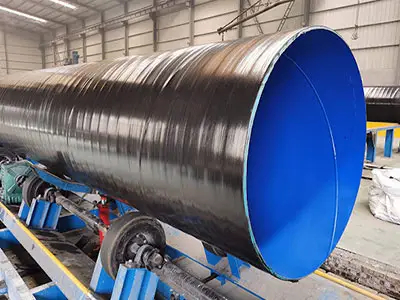
Are you struggling to find strong pipes for large projects? Poor pipe choices cause leaks and high costs. An SSAW pipe solves these problems with high strength and great flexibility. An SSAW spiral steel pipe is a pipe made by rolling steel strips spirally and welding the seams. It is perfect for oil, gas, and water transport. This method gives the pipe high strength, accurate sizes, and structural reliability for your tough construction jobs.
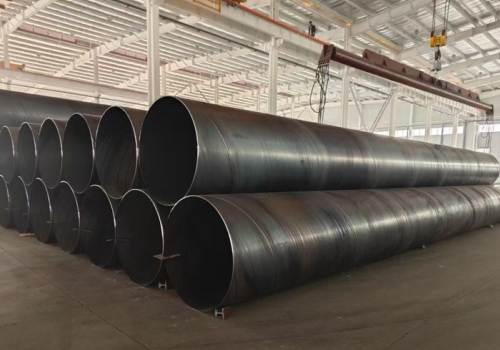
I remember looking for the right pipe for a huge water project years ago. We needed something strong but cheap. After many tests, I found that spiral pipes offered the best balance. Let us look deeper into how these pipes work. I want to share my knowledge so you can make the right choice for your next big project and avoid costly mistakes.
Do weak welds worry you during pressure tests? Bad welds lead to pipe failures and project delays. You need to know the right weld types to ensure complete safety. The main weld types in an SSAW spiral steel pipe include butt welds, tack welds, and steel strip end welds. These welds hold the spiral shape together. They must pass strict pressure and strength tests to keep the pipe safe under high stress.
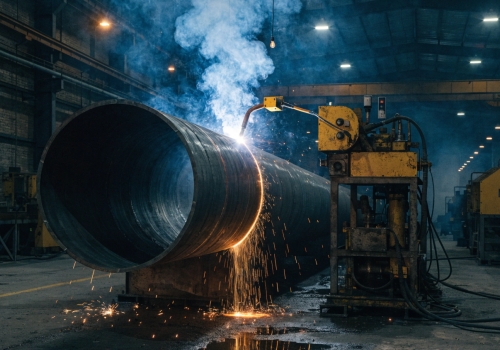
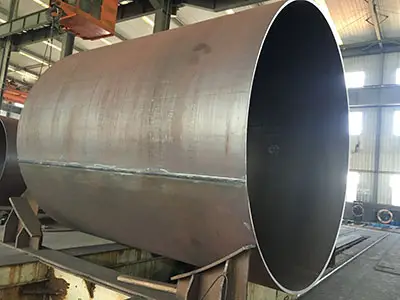
You know that a pipe is only as strong as its weakest weld. I always check the weld details first when I review CAD designs for new pipelines. Let me break down the three main weld types for you. Butt welds connect two steel pieces end-to-end. This makes a continuous circle. It keeps the pipe strong under pressure. Tack welds are temporary. We use them to hold the steel edges in place before the final welding starts. This stops the pipe from bending out of shape. Finally, we have the steel strip end weld. This happens where the head of one steel strip meets the tail of another strip along the spiral line. It is a special feature of these pipes. At Centerway Steel, we test all these welds. We use water pressure tests. We also use cold bending tests. This ensures our pipes meet your strict EPC project standards.
| Weld Type | Main Function | Importance for Projects |
|---|---|---|
| Butt Weld | Connects steel segments | Keeps structural integrity under pressure |
| Tack Weld | Holds edges before final weld | Prevents shape changes during welding |
| End Weld | Joins head and tail of strips | Maintains consistent strength along the spiral |
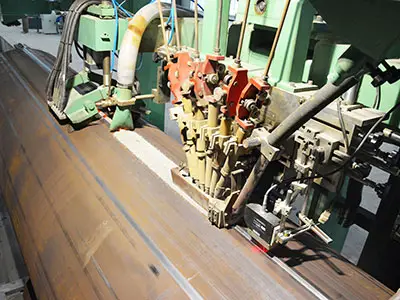
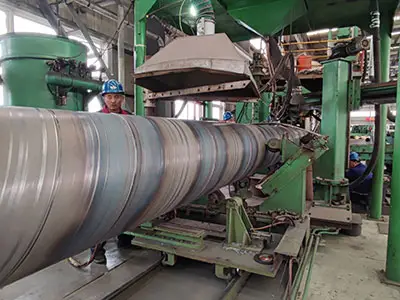
Are you tired of limited pipe sizes? Standard straight pipes often fail to meet custom project needs. The spiral manufacturing process offers unlimited lengths and flexible diameters. We produce an SSAW spiral steel pipe by bending low-carbon steel strips at a specific angle. We then use submerged arc welding to seal the inside and outside seams automatically. This creates a strong, uniform spiral seam that can form pipes of many different sizes.
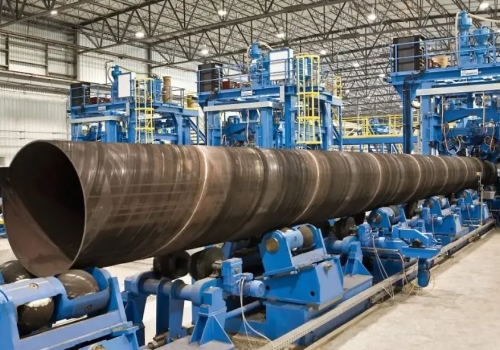
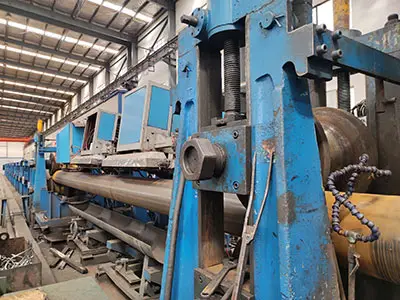
Let me explain how we make these pipes. I visit our production bases often. The process is always amazing to watch. First, we take long steel strips. We bend them at a special forming angle. We call this the spiral angle. Next, our machines weld the inside and outside seams. We use a method called Submerged Arc Welding. This method is automatic and very precise. This spiral process gives you big benefits. You can get flexible pipe diameters. We just change the forming angle. This makes different sizes from the same steel width. You also get unlimited lengths. Straight pipes have limits. Continuous spiral rolling does not have limits. This is perfect for your large construction projects. It also allows small-batch production. We can make a few pipes of a special size easily. We do this without huge extra costs. This saves your company money.
| Manufacturing Step | Action Taken | Benefit for Buyers |
|---|---|---|
| Spiral Rolling | Bends steel strips at an angle | Creates flexible diameters from one strip |
| Inner Welding | Welds the inside seam | Ensures a smooth internal flow |
| Outer Welding | Welds the outside seam | Provides maximum external strength |
Are you worried about pipe damage from heavy impacts? Weak pipes break under stress and cause costly repairs. Spiral pipes offer better stress handling and strong impact resistance. The spiral seam reduces the defect length compared to straight pipes. This improves stress resistance. The main stress direction avoids the weakest impact direction of the steel. You can use these pipes for oil lines, water systems, and large structural engineering projects.
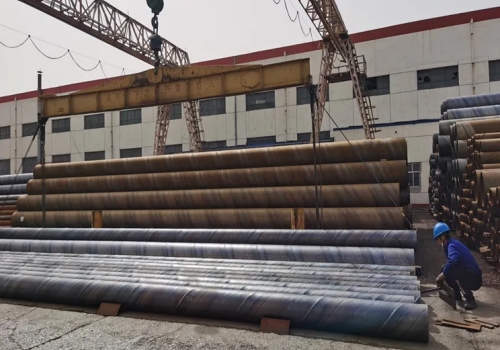
I see many buyers struggle with pipeline stress in my 18 years of working with EPC contractors. Let me share a simple truth with you. The main stress in a pipeline runs along the pipe length. Our weld is a spiral. It handles this stress much better than a straight weld. It reduces the chance of a long crack. Rolled steel has a weak direction for impacts. The spiral weld makes sure the main stress does not hit this weak direction. This means the pipe stays strong in very bad conditions. You can customize the diameter, thickness, and spiral angle to match your CAD drawings. We supply these pipes for long-distance oil and gas lines. We also provide them for city water systems and big building supports. You get a one-stop service when you buy from Centerway Steel. We help you pick the right specs. This ensures you get high-quality materials. It also cuts your purchasing costs.
| Application Area | How It Is Used | Key Advantage |
|---|---|---|
| Oil and Gas | Transports crude oil and gas | Handles high pressure over long distances |
| Water Systems | Moves clean water and sewage | Prevents leaks and resists corrosion |
| Structural Support | Supports large buildings and ports | Offers high structural strength and durability |
An SSAW spiral steel pipe offers the best strength, flexibility, and safety for your projects. We provide reliable pipeline solutions to save you costs and ensure project success.











 English