

Do you struggle with high pipeline material costs? Budget overruns ruin your EPC projects easily. I will show you a reliable pipe solution to keep your budget safe. You might wonder, what are erw pipes? Electric Resistance Welded (ERW) pipes are steel tubes. Rollers form flat steel coils into cylinders. High-frequency electric currents heat and fuse the edges. This creates a strong, cost-effective pipe with uniform thickness for water, oil, and gas projects.
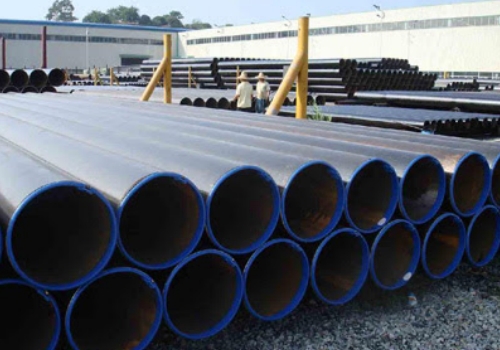
Many purchasing managers ask me about the best materials for their construction pipelines to avoid costly failures. We will look at the exact production steps and the real benefits of this piping technology. You can make the smartest sourcing choice today.
Do you worry about weak pipe welds causing project leaks? Bad manufacturing leads to huge failures. I will break down our precise production steps to guarantee strong pipes. The manufacturing process starts by trimming flat low-carbon steel coils. Rollers form the steel into cylinders. High-frequency electrical current melts the edges to fuse them seamlessly. The pipes then go through heat treatment, accurate sizing, and very strict quality control inspections.
At Centerway Steel, we know good pipes start with good steel. We pick high-quality, low-carbon steel coils. Low-carbon steel is easy to weld safely. High-carbon steel cracks under heavy rollers.
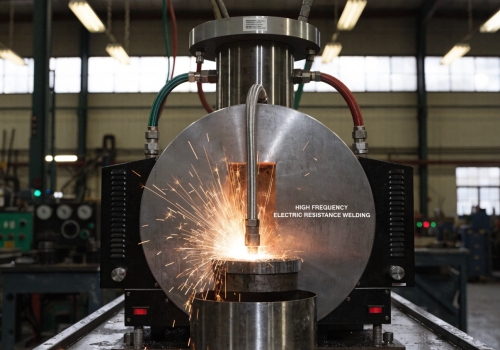
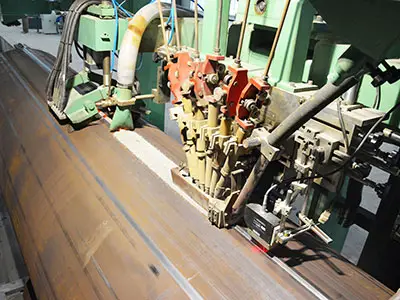
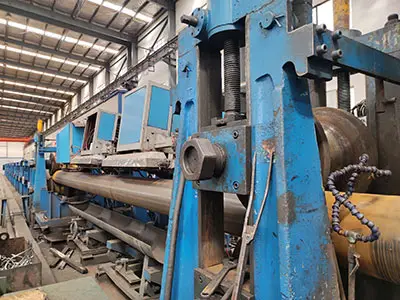
Our machines trim the flat steel coils. We remove all irregular edges. Smooth edges create a solid weld. The rollers push the flat steel into a round tube shape. We use high-frequency electric resistance current to melt the edges. Pressure rollers push the melted edges together. We do not use any extra filler metal.
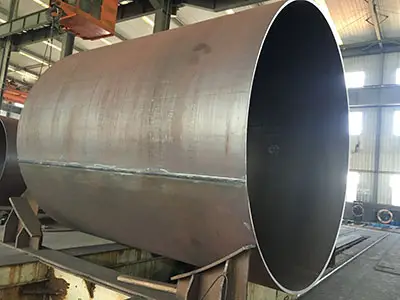
The welding process leaves a visible seam. We apply strong heat treatment to this seam. We heat the pipe to a high temperature and cool it in the air. This improves the grain structure of the steel. The pipe becomes strong enough to handle high pressure.
| Production Step | Key Action | Benefit to Your Project |
|---|---|---|
| Material Prep | Select low-carbon steel coils | Prevents cracking and splitting |
| Edge Trimming | Cut irregular edges off | Creates a perfectly solid weld |
| High-Frequency Welding | Melt edges with electric current | Removes need for expensive filler |
| Heat Treatment | Heat and cool the weld area | Increases strength and durability |
| Sizing and Testing | Cut to size and inspect | Ensures exact fit and zero leaks |
Do you need strong pipes for very tight budgets? High raw material prices destroy profit margins. I will explain why this specific pipe type solves your cost problems. When clients ask what are erw pipes used for, I point to their amazing value. They offer uniform wall thickness, smooth surface finishes, and fast production times. These pipes cost less to make, giving you high durability for pipelines at affordable prices.
You want to save costs for your EPC company. ERW pipes use less fuel and basic raw materials during production. The fast manufacturing speed lowers the final price. You get durable pipes at a low cost.
I value the uniform thickness of these pipes. The strict rolling process prevents thin spots or bumps. Uniform walls mean a lower chance of leaks under pressure. We use special mills to create a smooth surface finish. This smooth surface makes anti-rust epoxy coatings stick perfectly. You can order these pipes in different sizes and exact lengths. We cut them to match your project drawings. This flexibility saves time during actual installation on the job site. Workers install them immediately to speed up the construction process.
You can use these pipes in heavy industry. Our clients buy them for large construction frameworks, plumbing networks, and heavy machinery.
| Industry Sector | Common Application | Key Advantage |
|---|---|---|
| Construction | Columns and structural beams | High strength and exact sizes |
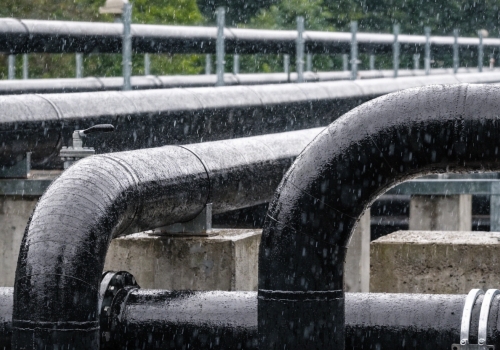
| Transportation | Water, oil, and gas lines | Uniform thickness stops leaks |
| Automotive | Heavy exhaust systems | Easy to shape and cut |
| Equipment | Boilers and heat exchangers | Great heat and pressure handling |
Are you confused by the different pipe options in the market? Picking the wrong pipe wastes your money. I will compare these main types to help your sourcing. Understanding what are erw pipes compared to others is simple. ERW pipes have a straight electric weld. Seamless pipes have no welds and cost much more. Spiral pipes have a spiral weld and handle different stress loads. ERW offers the perfect middle ground for price and performance.
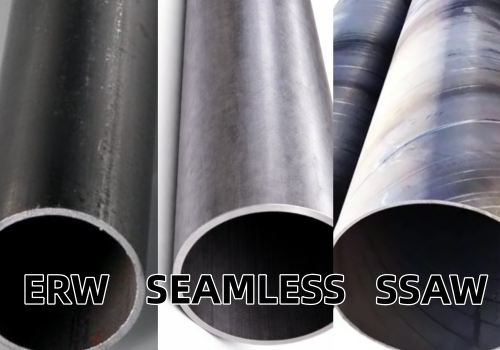
Seamless pipes lack welded seams. Factories extrude a solid steel billet to make them. They are strong due to the missing weld lines. The extrusion process makes them very expensive. ERW pipes provide similar strength for regular pressure uses but save you money.
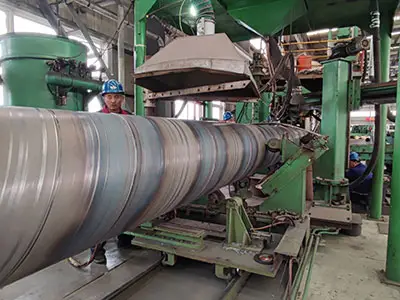
Spiral pipes use steel sheets welded in a spiral pattern. This spiral weld is long and visible. The long weld makes the pipe slightly weaker than a straight weld. Spiral pipes cost less than seamless but usually more than ERW.
You must check the material certificates before you buy steel products. We test every pipe batch in our factory. We use third-party inspectors like SGS or TUV to verify our quality. These extra steps guarantee the safety of your engineering projects. Our pipes perform perfectly under extreme stress. We ensure our pipes pass all global tests.
| Pipe Standard | Issuing Organization | Target Industry |
|---|---|---|
| API 5L | American Petroleum Institute | Oil and gas pipelines |
| ASTM | American Society for Testing and Materials | General construction |
| EN | European Committee for Standardization | European engineering |
| ISO | International Organization for Standardization | Global manufacturing |
ERW pipes deliver incredible value, uniform thickness, and highly durable straight welds. Centerway Steel supplies these reliable pipes to ensure your major engineering projects succeed without breaking your budget.











 English