

Weak foundations ruin major construction projects. Failing foundations cost your company time and money. Concrete filled steel pipe piles provide the ultimate strength and stability for your big projects. Yes, concrete filled steel pipe piles offer a top-tier foundation solution. They combine the high tensile strength of the steel pipe with the high compressive strength of concrete. This mixed structure prevents buckling, fights corrosion, and holds massive weights for heavy building projects and offshore terminals.
You need the right materials to ensure project success. Do not miss the details below. The following facts will save your project budget and improve your construction quality.
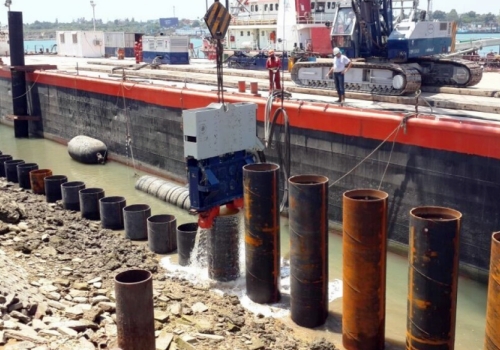
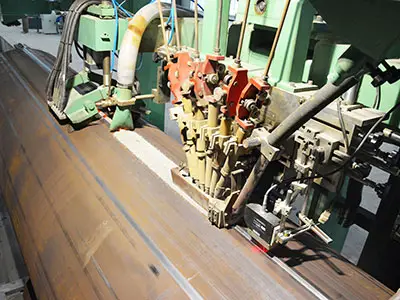
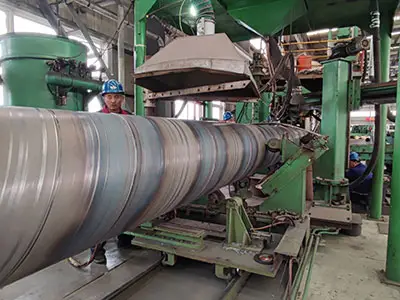
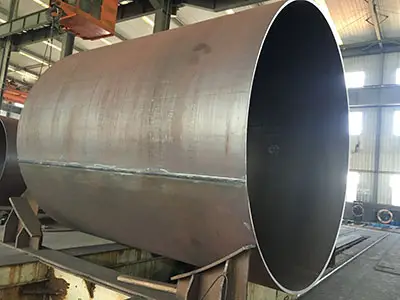
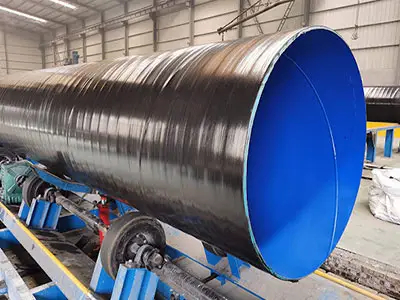
Are you struggling with deep sea construction? High waves and strong currents damage normal piles. Steel pipe piles resist large impacts and speed up your offshore construction progress. Steel pipe piles are long steel cylinders. We usually make them by spirally welding steel plates. These piles have an outer diameter of 500 to 1200 mm. They have a wall thickness of 10 to 18 mm. We use them mostly in offshore terminals. Let me dive deeper into the use of these steel tubes. I have worked in the pipeline equipment industry for many years. We supply spiral welded steel pipes from our Centerway Steel factories. We often see clients face poor working conditions in the open sea. The climate affects construction. The ocean hydrology changes fast. Fast progress is very important. Last year, we supplied steel pipes to a major EPC contractor in Europe. They built a large coastal port facility. The European engineers needed pipes for the deep sea environment. We provided customized spiral steel pipes. These pipes met strict European standards like CE and TUV. The steel shell acts as a permanent mold for the concrete. The steel shell confines the concrete. The concrete supports the steel shell. This teamwork stops the steel from bending. It also stops the concrete from cracking. Using concrete filled steel pipe piles solves the problems of deep water perfectly. They also handle heavy loads with ease.
Do you worry about horizontal forces breaking your piles? Poor elasticity causes sudden foundation failures. Steel piles absorb large deformation energy and protect your dock buildings from ship impacts. Steel piles have high strength and large bending resistance. They withstand large horizontal forces and reduce impact damage. But steel piles use a lot of steel. They cost more than reinforced concrete piles. They can also rust over time.
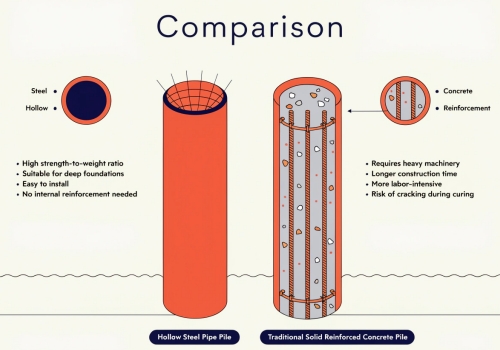
We must look closely at the good and bad points of steel piles. As a one-stop supplier, I always help EPC purchasing managers choose the right materials. I want to save costs for your company. I also want to ensure high quality. Let us compare steel pipe piles with traditional concrete piles.
| Feature | Steel Pipe Piles | Reinforced Concrete Piles |
|---|---|---|
| Strength | Very High | Medium |
| Bending Resistance | Excellent | Fair |
| Construction Speed | Fast | Slow |
| Material Cost | High (2 to 3 times more) | Low |
| Steel Usage | High (3 to 4 times more) | Low |
| Rust Risk | High | Low |
Does pile installation take too much time? Incorrect driving damages the pile heads. A clear and professional installation process ensures safe driving and saves you valuable project time. You install the piles in several steps. You level the site and mark positions. You lift the piles with cranes. You place a special pile cap on the pile head. You drive the pile into the ground. You pour concrete into the steel pipe.
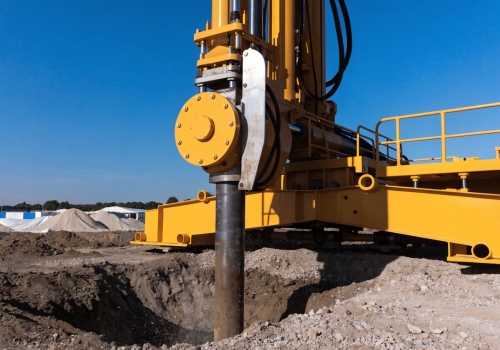
I will break down the construction steps clearly. We follow strict rules when we guide our European construction partners. First, we select the right steel pipe pile material. We usually use carbon steel. This steel has a yield strength of 235.2 MPa. Second, we choose the correct piling machinery. Third, we prepare the site. We level the ground. We mark the pile center position. We use lime circles. The circles mark the pile diameter. Fourth, we plan the piling sequence. We can dig the soil first. Then we drive the pile. We can also drive the pile first. Then we dig the soil. Fifth, we hoist the piles carefully. Sixth, we start pile driving. We always use a special pile cap. This cap prevents hammer damage. We place vibration-absorbing wooden pads under the hammer. Seventh, we connect piles with equal strength welds. We cut the short pile heads after driving. We weld a pile cover. We weld anchoring steel bars on the outer wall. Finally, we pour cement inside. We create strong concrete filled steel pipe piles.
Are you unsure if your steel pipes need concrete? Wasting concrete increases your project budget. Knowing when to pour cement helps you choose the best reinforcement method for your foundation. No, not all steel piles get filled with concrete. You decide based on design drawings and soil conditions. You pour cement if the steel pipe bearing capacity cannot meet the design requirements. You do not need concrete if the empty steel pipe provides enough ground support. Let me explain the details of filling cement. Many EPC purchasing managers ask me this question. They want to know the most cost-effective solution. Concrete filled steel pipe piles are not always mandatory. The choice depends on your project needs. We consider soil stability. We calculate the building self-weight. We look at the geological characteristics of your construction area. The steel pile material itself has very good quality. The steel can prevent the ground from collapsing on its own. You have flexibility in your design. The steel pipe alone might fail in soft soil. You must fill the pipe with concrete in this case. The concrete adds massive load-bearing power. The empty steel pipe is enough in hard soil. We recently worked with a contractor in Northern Europe. They built a bridge over a river. The riverbed soil was very soft. We supplied high-strength steel pipes. We advised them to pour concrete inside. This decision gave the bridge maximum stability. It saved them from future repair costs.
Concrete filled steel pipe piles offer incredible strength for tough projects. We provide top-quality steel pipes to ensure your construction remains stable, safe, and cost-effective for many years.











 English