

Pipeline failures cost money and time. Weak materials crack under pressure, ruining your project timeline. You need a strong foundation built specifically for heavy loads and harsh environments. The api 5l x60 lsaw steel pipe offers a high yield strength of 60,000 psi. This specific pipe handles extreme stress, resists corrosion, and fits perfectly into demanding construction projects. It keeps your pipeline safe, saves maintenance costs, and ensures long-term stability.
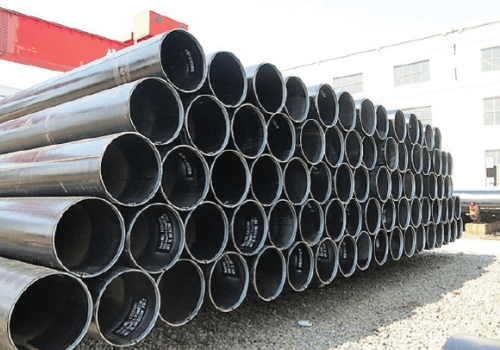
You want to know why this pipe stands out from the rest. Let me break down the exact properties that make it so reliable.
Selecting the wrong pipe leads to structural disasters. Poor materials bend or break. We must look at the mechanical facts to avoid these expensive mistakes. This pipe delivers a minimum tensile strength of 75,000 psi. It provides high ductility, excellent weldability, and strong toughness. These properties ensure the pipe handles heavy impacts without cracking, making your installation process smooth and secure.
We test every batch to guarantee performance. Here are the core benefits:
· Good ductility (bends without immediate snapping)
· Smooth weldability (connects firmly on site)
The secret lies in the steel mixture. We control the carbon and manganese levels strictly.
| Element | Maximum percentage (%) | Benefit to your project |
|---|---|---|
| Carbon (C) | 0.16 | Keeps the steel flexible for welding |
| Manganese (Mn) | 1.65 | Boosts overall hardness and strength |
| Phosphorus (P) | 0.02 | Prevents brittleness in cold weather |
Temperature swings destroy weak metal joints. Extreme heat expands them, while freezing cold snaps them. You need steel that stays stable all year round. This steel maintains structural integrity up to 350°C (662°F) and resists brittleness in sub-zero conditions. Its low thermal expansion limits stress on welded joints. You get a pipe that works perfectly in both scorching deserts and freezing waters.
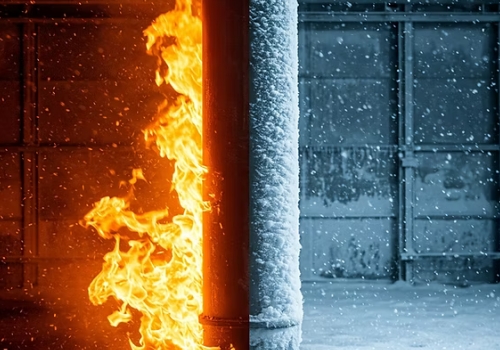
This pipe excels when things get hot.
· Retains high yield strength under constant heat
· Resists metal creep (slow deformation over time)
· Lowers stress on connection points
You cannot ignore cold impacts. The steel undergoes specific heat treatments to stay tough.
· Absorbs energy without shattering
· Keeps its original shape and dimensions
· Maintains a low ductile-to-brittle transition temperature We recently supplied pipes for a mining facility in the Australian Outback. The days are boiling, and the nights drop to freezing. The engineers worried about thermal expansion tearing the welds apart. Our manufacturing process at Centerway Steel adjusts the chemical mix based on your exact location. We add trace elements like nickel if you need extra protection against the cold. This proactive step eliminates the risk of catastrophic pipeline failure in harsh climates, keeping your site safe and operational.
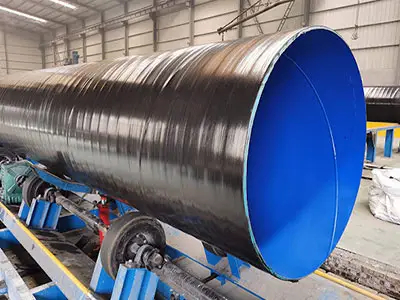
Rust eats through your budget fast. Unprotected pipes leak toxic fluids into the ground. You must block corrosive elements before they reach the metal. The steel forms a natural oxide layer that slows down general rusting. It strongly resists stress corrosion cracking and pitting. When combined with advanced coatings like 3LPE, the pipe gains a solid shield against harsh soils and acidic fluids.
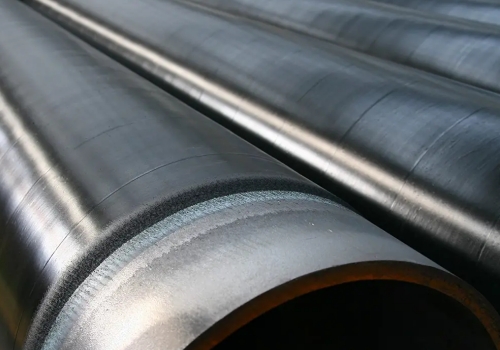
Your pipeline faces several unseen enemies daily.
· Pitting corrosion (creates tiny, deep holes)
· Stress cracking (happens under high pressure and bad soil)
· Hydrogen-induced cracking (danger in sour gas environments)
We apply several layers of protection in our factory.
| Coating type | Best use case | Expected lifespan increase |
|---|---|---|
| Bare metal | Dry, non-corrosive areas | Baseline |
| FBE (Fusion-bonded epoxy) | Underground water lines | High |
| 3LPE | Harsh, rocky soil | Maximum |
Corrosion remains the biggest threat to underground networks. I always tell my clients to plan for the worst soil conditions. In coastal Australian projects, saltwater and acidic dirt attack bare metal quickly. We fix this by pairing high-grade steel with the right external defense. Adding a 3LPE coating stops moisture completely. It acts as a physical barrier against rock damage during trench backfilling. This simple upgrade extends your project lifespan by decades, saving massive replacement costs down the road.
Still have doubts about sourcing your materials? Unanswered questions delay your purchasing decisions. Let us clear up the most common concerns right now. We frequently receive questions about delivery times, testing methods, and custom sizing. Our answers below clarify how we handle your orders from start to finish, ensuring you get exactly what you need without any stressful surprises.
Q: What is the fastest delivery time for your steel pipes?
A: We deliver normal specifications in just seven days.
Q: Can you provide third-party inspection reports?
A: Yes, we arrange tests with SGS, BV, or TUV before shipment.
Q: Do you supply pipes for the Australian market?
A: Absolutely. We have extensive experience delivering compliant materials to Australian infrastructure and mining projects.
Q: What non-destructive testing do you perform?
A: We run ultrasonic testing and X-ray tests on all weld seams to ensure zero defects.
Q: Do you offer custom wall thicknesses?
A: Yes, our production lines handle heavy thickness and large diameter requests easily.
Q: Are your products certified?
A: Yes, we hold ISO 9001, CE, and AAA credit rating certifications. These answers cover the basics, but every project is unique. I always encourage buyers to share their specific technical drawings with our engineering team early in the planning phase. We review your plans and suggest the most cost-effective manufacturing route.
Centerway Steel provides strong, corrosion-resistant pipes for your toughest jobs. Ready to secure top-quality materials for your next project? Contact us today for a fast, reliable quote!











 English