

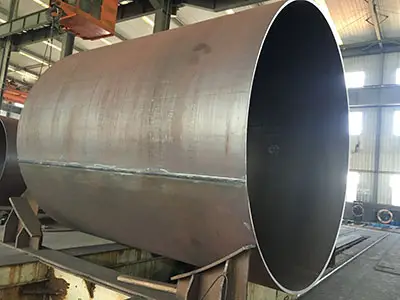
Weak soil on your site causes massive delays. A failing foundation ruins the whole project. We explore how a steel pipe pile solves this heavy load problem safely. A steel pipe pile is a pre-built hollow tube. You drive it deep into the ground. It safely supports heavy structures. The pile holds its place through soil friction or direct rock contact. This gives your project a strong and reliable base.
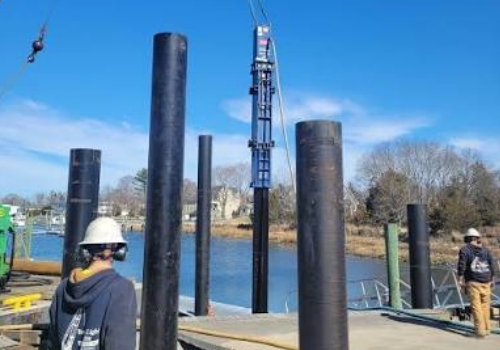
You probably wonder how these metal tubes perform under real pressure. I will show you the exact details. Let us look at the best options for your next project.
Choosing the wrong foundation wastes your budget. Do you worry about ground conditions? We must look at the specific pile types to match your exact soil needs. The main types include open-ended, plugged, bottom plate, rock shoe, and Franki piles. You choose the right type based on your ground conditions. Open ends work well for soil friction. Rock shoes sit directly on solid bedrock.
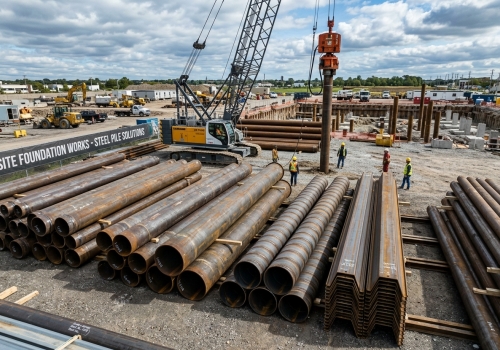
I remember a recent port construction project we supplied in the Netherlands. (Rotterdam port expansion). The buyer needed strong supports for soft mud. We recommended specific types based on their soil tests. You have several choices when you buy these products. You must understand how they interact with the earth.
· Plugged open-ended: A plug sits at the bottom. The soil level inside stays lower than outside.
· Bottom plate: We weld a flat steel plate to the bottom. This creates compression and stops sliding on rocky ground.
· Rock shoe: You use this when the pipe hits hard rock. The shoe holds the full load.
· Franki pile: You fill this permanent tube with wet concrete. It takes heavy hammer hits. Here is a quick comparison table to help you decide.
| Pile Type | Best Soil Condition | Load Transfer Method |
|---|---|---|
| Unplugged Open | Soft soil, deep mud | Soil friction |
| Bottom Plate | Rocky terrain mixed with soil | Compression and friction |
| Rock Shoe | Direct solid bedrock contact | Direct load bearing |
Concrete piles crack easily during hard installation. Replacing them stops your work completely. Let us compare steel pipes with other materials to save you money and time. A steel pipe pile handles heavy driving impact without cracking. It creates less soil movement than solid concrete blocks. Compared to H-shaped beams, pipe piles cost less for pillar supports. They offer the best custom sizes for your exact load.
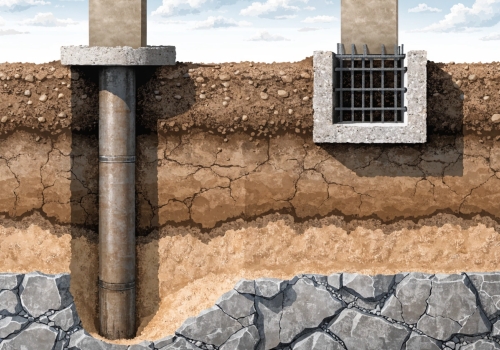
Many buyers ask me about material choices. I always tell them to look at total project costs. I tell them not to look just at the unit price. If you use concrete, you often face heavy vibrations. Solid concrete displaces too much soil. Sometimes you must dig out the dirt just to cast the cement. This adds labor hours.
· Custom lengths: You order the exact size you need.
· High strength: Steel bends but rarely breaks under hammer blows.
· Easy inspections: You check the hollow inside for safety before you build on it.
· Fast extensions: You easily weld another piece on top if you need more depth.
You also have the choice of H-shaped steel beams. Builders use them well for all-steel frames, like oil platforms. However, H-beams usually cost more. For standard pillar supports in commercial buildings, hollow tubes give you better load capacity per dollar. Our European clients often switch from H-beams to hollow tubes. They cut their budget by up to fifteen percent. They get the same safety rating for less money.
High material costs kill your profit margins quickly. Are you overspending on thick walls you do not need? Proper planning cuts your foundation expenses down significantly. You optimize costs by calculating exact load requirements before ordering. You avoid buying the thickest metal every time. You drive the prebuilt structures with impact hammers safely. Testing the piles before final construction prevents future repair bills.
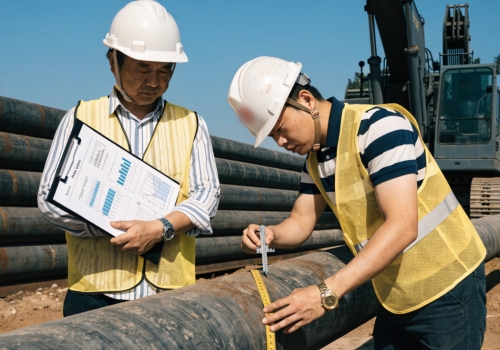
We see many contractors waste money. They buy the heaviest materials just to feel safe. You do not need to do this. You can customize a steel pipe pile to match your exact engineering math. This keeps your costs low.
1. Analyze the soil: Get a detailed ground report. Know where the rock sits.
2. Calculate the load: Find out exactly how much weight each pillar must hold.
3. Pick the right grade: We offer different steel grades. Some resist cold weather better.
4. Choose the coating: If the ground has water, you need rust protection. I worked with a buyer from Germany last year. (A large commercial building project). He wanted ultra-thick walls. We reviewed his load data. We suggested a standard thickness with a high-strength steel grade. He saved twenty percent on his material costs. We always test our products before shipping. We ensure they meet strict international safety standards. You install them fast. You pass inspections early. You move to the next building phase quickly.
Unanswered questions lead to wrong material choices. Do you still feel unsure about load limits or rust? Let us clear up your most common doubts right now. Customers often ask about lifespan, rust prevention, and maximum weight limits. A steel pipe pile lasts for decades with the right protective coating. It easily supports massive building weights. We answer these basic questions to help you buy safely.
Our sales team receives many questions every week. You need clear facts to make good purchasing decisions. Here are the direct answers to the things you care about most.
Q1: How do you stop the metal from rusting in wet soil?
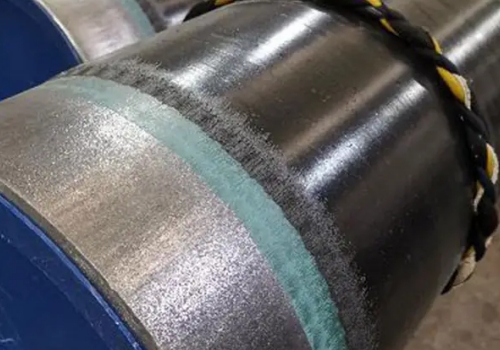
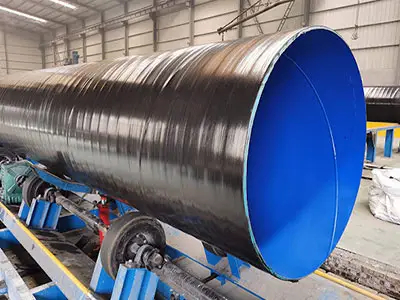
A1: We apply special coatings. For many European port projects, we use a 3PE anti-corrosion coating. This blocks water and chemicals from touching the bare metal.
Q2: Can I weld two pieces together on the job site?
A2: Yes. These tubes are very easy to extend after construction starts. Your welders can join a new section on top if the soil is deeper than expected.
Q3: What certifications do your products have?
A3: We hold ISO, CE, and GOST certificates. International testing groups like SGS inspect our goods. You get full quality reports with every shipment.
Q4: How long does production take?
A4: It depends on the size and coating. We usually finish standard orders in a few weeks. We have a huge inventory ready to ship. These facts show why hollow metal foundations remain the best choice for heavy loads.
A steel pipe pile gives your project a safe, custom foundation. Centerway Steel provides high-quality products with mature European project experience. Contact us today for reliable one-stop sourcing!











 English