

Are you struggling to find strong pipes for cold environments? Bad pipes cause leaks and project delays. Our guide explains how to choose the right pipe for your needs. An astm a671 efw pipe is an electric-fusion-welded steel pipe for atmospheric and lower temperatures. You can use it in power plants, chemical plants, and oil lines. It gives you exact mechanical properties for safe performance in cold places.
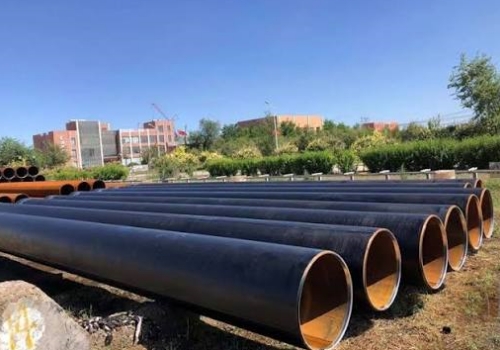
Let us break down the exact details so you can choose the best material. If you skip these facts, you might buy the wrong pipe and waste your budget.
Do you need to match pipe limits to your site design? Picking a weak grade causes pipe bursts. Let us look at the exact grades you can buy. ASTM A671 EFW pipes offer grades like CC60, CC65, and CC70. These grades match flat A516 steel plates. Each grade gives you a different carbon level and tensile strength to meet your exact pressure needs safely.
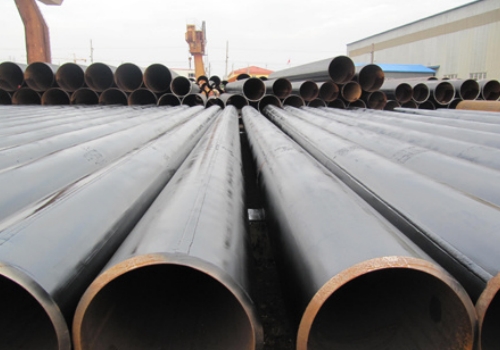
Let us look closely at the steel grades and classes. When I talk with project buyers, they always ask about steel strength. You must match the pipe grade to your water or gas pressure.
· Grade CC65: This matches ASTM A516 Grade 65 plate. It offers a tensile strength of 450 to 585 MPa.
· Grade CC70: This matches ASTM A516 Grade 70 plate. It provides a strong tensile strength of 485 to 620 MPa.
The class number tells you about the heat treatment and testing process.
· Class 10: We do not apply heat treatment after welding.
· Class 11: We stress-relieve the pipe to make it stable.
· Class 12: We normalize the pipe.
· Class 13: We quench and temper the metal.
· Class 22: We inspect the weld seam with X-rays.
| Grade | Plate Equivalent | Min Yield Strength (MPa) |
|---|---|---|
| CC60 | A516 Gr 60 | 220 |
| CC65 | A516 Gr 65 | 240 |
| CC70 | A516 Gr 70 | 260 |
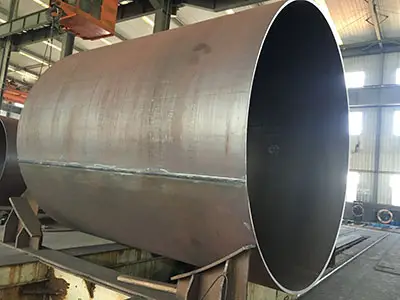
Are you worried about weak pipe seams? Bad welds ruin whole pipeline systems. Here is how we build and test these pipes to give you complete safety. We form carbon steel plates into large cylinders and weld them with an electric arc. After welding, we run tough checks like tension, water pressure, and X-ray tests to guarantee the weld seam holds under heavy stress.
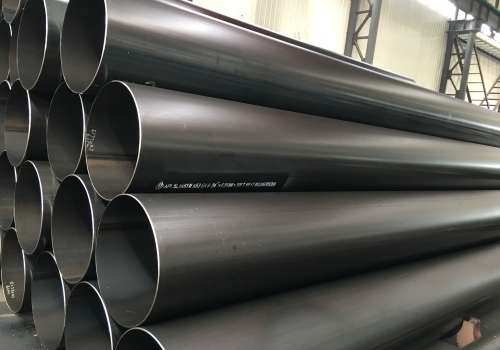
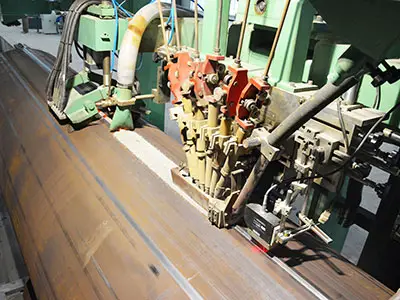
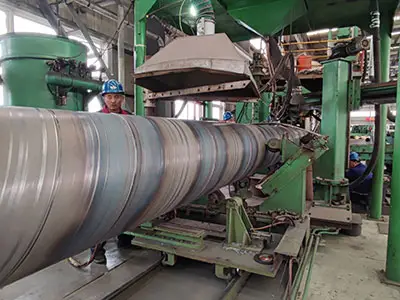
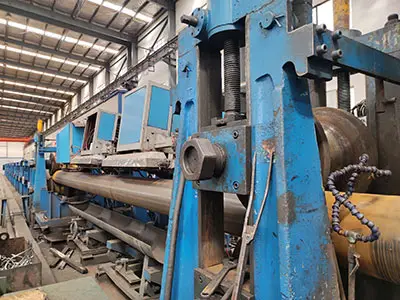
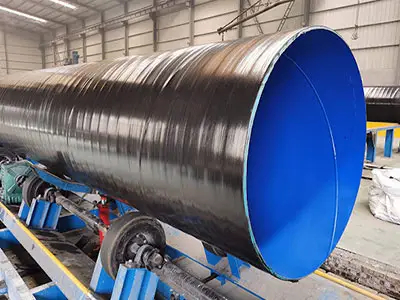
We follow strict steps to build an astm a671 efw pipe. First, we take flat carbon steel plates. We roll these thick plates into a round shape. Then, we weld the edges together using the electric-fusion welding method.
· Plate rolling: We bend the flat steel into a cylinder.
· Welding: We apply an electric arc to melt and join the steel edges.
· Heat treatment: We heat and cool the pipe to remove stress.
We never guess on quality. We test every pipe batch so you avoid pipe failures on your site.
· Tension tests: We pull the metal hard to check its yield strength.
· Hydrostatic tests: We fill the pipe with water. We increase the pressure to make sure it does not leak.
· Non-Destructive Testing (NDT): We use X-rays or sound waves. We look inside the weld seam for hidden cracks.
· Charpy V-Notch test: We strike the metal to check its toughness at low temperatures.
Are you unsure if this pipe fits your site? Wrong materials cost you extra money. Read where these pipes work best in real industrial projects. You can install an astm a671 efw pipe in power plants, oil lines, and gas systems. These pipes move high-pressure fluids safely at low temperatures. They cost less than seamless pipes for large pipe jobs.
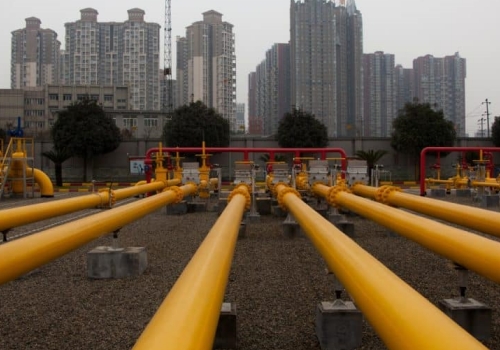
You can put an astm a671 efw pipe to work in many tough places. As a buyer for big construction projects, you want parts that last a long time. These pipes save you money because they do not fail early.
· Power plants: You can use them for high-pressure water lines.
· Oil and gas fields: You can transport raw oil across long distances safely.
· Chemical plants: You can move cold gases and fluids without leaks.
Why do we recommend these specific pipes for your pipeline systems?
· Cost control: The electric-fusion process is cheaper than making seamless pipes for big sizes.
· High safety: The strong weld seams handle big pressure spikes easily.
· Exact sizing: We can make very large pipes with thick walls to meet your exact design numbers. At Centerway Steel, we supply these pipes to top energy companies worldwide. We make sure you get the right size on time.
Do you still have questions about these pipes? Guessing leads to bad buying choices. Here are clear answers to your top questions about testing and specs. We gathered the top questions our buyers ask about ASTM A671 pipes. Read these fast answers to understand heat treatments, temperature limits, and testing needs. This helps you order the right pipeline equipment easily.
Let us answer the common questions we hear from buyers every day. We want to make your sourcing job simple and fast.
Q1: What makes Class 10 different from Class 22?
A1: Class 10 means we do not apply heat treatment after welding. Class 22 means we test the weld seam with X-rays to find hidden flaws. You need Class 22 for high-risk gas lines.
Q2: Can I use this pipe for very hot steam?
A2: No. We design the ASTM A671 standard for atmospheric and lower temperatures. If you need high-temperature pipes, you should look at the ASTM A691 standard instead.
Q3: How do you pack these pipes for safe shipping?
A3: We add plastic caps to the pipe ends. We bundle small pipes with steel strips. We ship large pipes piece by piece. We always protect the pipes from rust during sea transport.
Q4: Do you provide test reports with my order?
A4: Yes. We send a full Mill Test Certificate with every order. This paper proves the steel matches your chemical and strength needs.
An ASTM A671 pipe offers strong welds for your cold-weather projects. Need a reliable one-stop supplier? Contact Centerway Steel today to get top-quality EFW pipes for your next pipeline job.











 English