

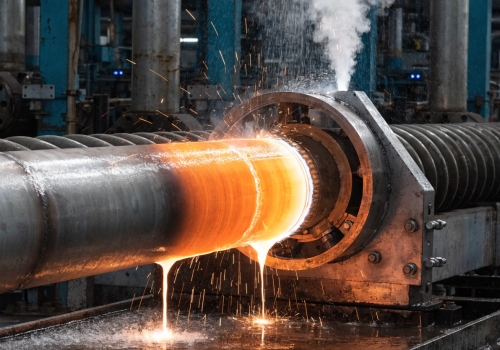
Do you struggle to find low-cost pipes for your building projects? High prices can ruin your budget. Let me show you how ERW pipes solve your buying problems. An electric resistance welded steel pipe is a tube made by rolling a steel strip and welding the edges using high-frequency current. This process uses heat and pressure to join the metal without extra filler. It makes a strong, straight seam for oil, gas, and building use.
You might think all pipes are the same. But picking the wrong pipe will cost you extra money and waste your time. If you do not want to learn about smart pipe choices, you can stop reading right now. But if you want to save money on your project budget, let us look closer at the facts.
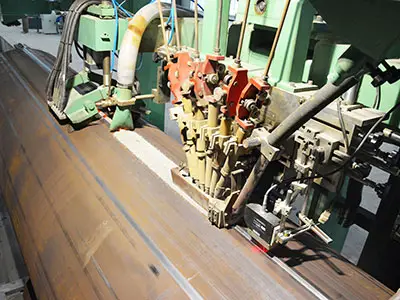
Do you worry about weak joints in your pipes? Bad joints cause leaks and ruin projects. The ERW process fixes this by making a very solid metal bond. Factories make an electric resistance welded steel pipe by bending flat steel strips into a round shape. Next, they pass a high-frequency current through the edges. The heat and squeeze rollers push the edges together. This makes a strong, solid joint without using any extra filler metal.
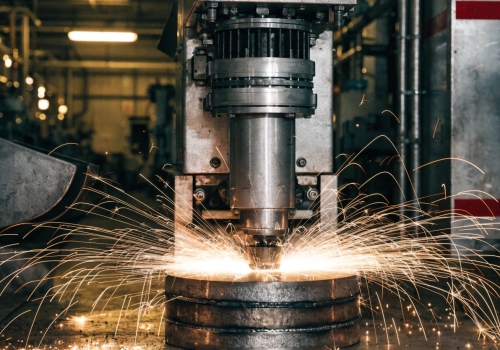
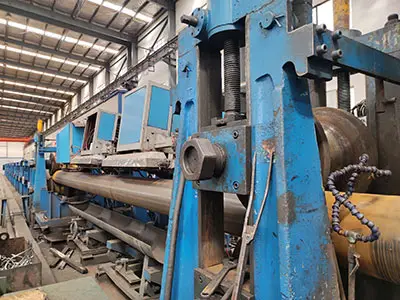
I have worked in the pipe industry for many years. I often talk with production teams to make sure we make high-quality pipes. Making an electric resistance welded steel pipe takes four simple steps. First, we prepare the raw material. We use big coils of flat steel strips. Second, we form the shape. The flat steel goes through many rollers. These rollers slowly bend the steel into a round, square, or rectangle shape. Third, we weld the edges. We use high-frequency electric power to heat the edges to a very hot state. Then, big rollers press the edges together to make a solid bond. Fourth, we do post-processing work. We cut off the extra metal from the joint. We cool the pipe and cut it to the right length. Finally, we do heat treatment and check the quality. Here is a table to show the process clearly:
| Step Name | What Happens | Why It Matters |
|---|---|---|
| Preparation | Unroll flat steel strips | Good steel makes good pipes |
| Forming | Bend steel with rollers | Sets the shape and size |
| Welding | Heat and press edges together | Makes a strong joint without filler |
| Post-Processing | Cut, heat treat, and test | Ensures high quality and exact size |
At Centerway Steel, we check every step carefully. We want to be your best one-stop supplier. We know you need good pipes to save money for your company.
Are you confused by the many types of steel pipes? Buying the wrong type can ruin your building design. Let us break down the groups so you can buy right. You can find high-frequency pipes for thin walls and low-frequency pipes for thick walls. These pipes come in round, square, or rectangular shapes. You can also pick normal pipes for basic needs or precision cold-drawn pipes for times when you need exact sizes and smooth surfaces.
When I help purchasing managers from EPC companies, they often ask me about pipe shapes. I always tell them that shape matters a lot for building structures. The most common shape is the round pipe. People use round pipes to move water, oil, and gas. They also use them for simple supports. But many building projects need square or rectangular pipes. Factories make these by rolling a round pipe into a square shape when it is cold. Workers use these square pipes to build strong frames and big beams. We also sort pipes by precision. Normal welded pipes are good for low-pressure jobs. They cost less. But sometimes you need exact sizes. For example, car parts and nice furniture need smooth surfaces. In this case, you must buy precision welded pipes. We use a cold-drawing process to make these pipes perfect. Here is a simple guide:
| Pipe Shape | Best Use Cases | Precision Level |
|---|---|---|
| Round | Fluid transport, basic supports | Normal |
| Square / Rectangular | Building frames, machinery supports | Normal |
| Cold-drawn Round | Car parts, furniture | High Precision |
Choosing the right type helps you finish your project on time. I always suggest the best type to help my clients save money.
Are high pipe prices eating up your whole profit? Expensive seamless pipes are not always needed. ERW pipes give you a cheaper way to do a great job. You should choose this pipe because it costs much less than seamless pipes and works very fast. Modern tech gives it great joint strength and exact sizes. But you should not use it for extreme high-pressure jobs because the joint can become a weak point under heavy stress.
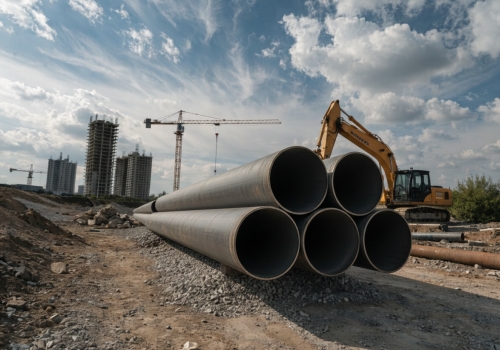
I know that as a buyer for an EPC company, you want high-quality parts at low prices. The biggest good point of this pipe is the low cost. The factory line never stops. Because of this, we can make many pipes very fast. This drops the price a lot compared to seamless pipes. Also, the wall thickness is very even. The pipe is very straight and smooth. You can get many different sizes from the same factory line. But we must also look at the bad points. The joint area is slightly different from the rest of the metal. Even with good heat treatment, this joint is not perfect for extreme stress. If you have an ultra-high pressure job, you must buy a seamless pipe instead. Also, the raw flat steel must have very clean edges. If the edge is bad, the joint will be bad. Look at this quick list of pros and cons:
| Good Points (Pros) | Bad Points (Cons) |
|---|---|
| Very low cost | Joint can fail under extreme high pressure |
| Fast production speed | Needs very clean raw steel edges |
| Even wall thickness | Old buyers still think the quality is bad |
| Exact size and shape | Not good for super heavy stress jobs |
At Centerway Steel, we use top machines to make sure our joints are very strong. We fix the bad points by checking our raw steel closely.
Are you afraid your pipes will fail the safety tests? Using bad materials puts your big EPC project at risk. Knowing the right standards keeps your project very safe. You can use these pipes for low-pressure water, building frames, machinery, and car parts. You must follow strict rules like API 5L for oil, ASTM A500 for building frames, and ASTM A53 for normal water lines. Following these rules makes sure your project stays safe and legal.
Over my many years in the pipe business, I have seen many ways to use these pipes. People use them to move oil, natural gas, water, and steam safely. Building workers use them for huge columns, long beams, and safe scaffolding. Factories use them to build strong frames for heavy machines. Car makers even use them for drive shafts and car bumpers. To do these jobs right, you must know the rules. We call these rules standards. Standards make sure the pipe is safe for a specific job. If you buy pipes for oil and gas, you must look for the API 5L standard. This is the top rule in the world. If you build a house or a big frame in North America, you need the ASTM A500 rule. If you just want to move normal water, you need the ASTM A53 rule. In Europe, people use the EN 10219 standard for building frames. Here is a clear table to help you remember:
| Standard Name | Main Use Area | Region or Industry |
|---|---|---|
| API 5L | Oil and gas pipelines | Global Oil & Gas |
| ASTM A53 | Normal water and steam pipes | Global General Use |
| ASTM A500 | Building frames and supports | North America |
| EN 10219 | Structural building pipes | Europe |
As your one-stop supplier, I make sure every pipe meets the right standard. We have all the big certificates like ISO and CE. We test everything to keep your projects safe.
An electric resistance welded steel pipe gives you a strong, low-cost choice for your building projects. By picking the right pipe standards, you save money and build safe, perfect structures.











 English