

Does water flood your construction site? This problem stops your work and wastes money. I will show you how a cofferdam steel sheet pile fixes this issue easily. A cofferdam steel sheet pile is a temporary watertight wall made of steel. Builders drive these interlocking piles into the ground to block water and soil. This makes a dry and safe space. Workers can build bridge piers and deep foundations inside without water problems.
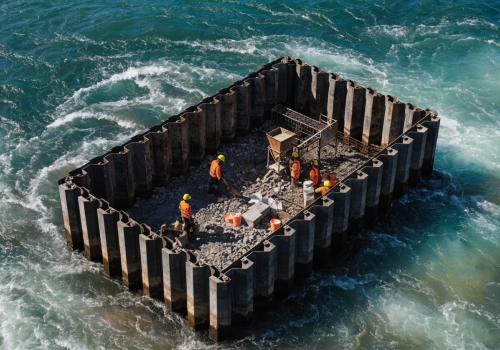
You might ask how these steel walls block heavy water. If you buy the wrong steel, your whole project will fail. You must stop losing money on bad materials.
Are you confused by the different steel pile options? Choosing the wrong shape causes dangerous water leaks. I can help you pick the best type for your project. You can choose between hot-rolled and cold-rolled steel sheet piles. Hot-rolled piles have a ball-and-socket joint, which creates a very tight seal against water. Cold-rolled piles use a hook-and-grip joint, which is cheaper but allows more water leaks.
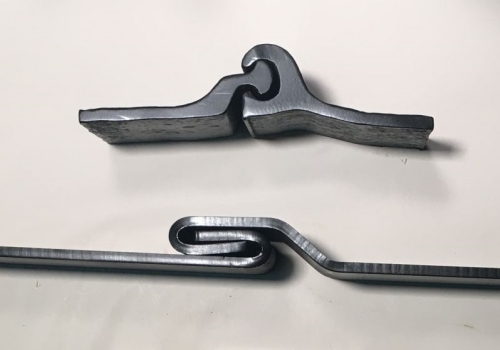
I have worked in the steel pipeline and equipment industry for many years. I know that choosing the right cofferdam steel sheet pile is very important. At Centerway Steel, we produce both hot-rolled and cold-rolled steel sheet piles. We always check the project needs before we suggest a product. Hot-rolled sections are thick and strong. They have a tight ball-and-socket joint. This joint stops water from coming inside the cofferdam. Cold-rolled sections are easier to make. They cost less money. But, their hook-and-grip joints can bend. They can also let water leak through. You must look at your project budget and water depth. If you build a temporary structure on land, cold-rolled piles work well. If you build a deep water cofferdam, you need hot-rolled piles. We help construction buyers make this choice every day. Below is a simple table. It shows the main differences.
| Feature | Hot-Rolled Sheet Pile | Cold-Rolled Sheet Pile |
|---|---|---|
| Interlock Type | Ball and socket | Hook and grip |
| Water Seal | Excellent and very tight | Fair, allows some leaks |
| Cost | Higher price | Lower price |
| Best Use | Deep water, permanent use | Shallow water, temporary use |
Do you worry about piles bending during installation? Bad driving methods ruin expensive steel materials. I will explain the right way to drive these piles into the ground. You install a cofferdam steel sheet pile using a vibratory hammer or a diesel impact hammer. You must keep the steel sheets perfectly straight before driving. After driving the walls, you add steel struts inside to support the walls against water pressure.
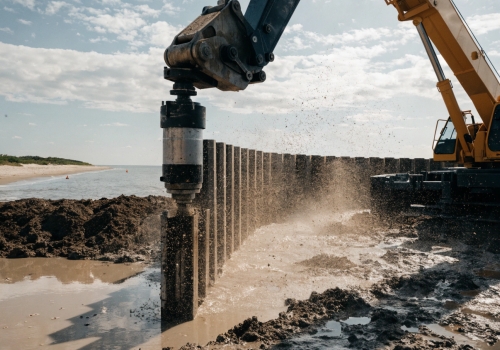
Installing a cofferdam steel sheet pile needs good planning. You must drive the steel deep into the soil. I always tell my clients to check the soil type first. If you have soft sand, a vibratory hammer is best. It shakes the steel pile deep into the ground. If you have hard soil or rocks, you need a diesel impact hammer. This tool hits the top of the pile with heavy force. You cannot just push the walls into the mud. You need a strong support system inside the cofferdam. Builders use thick steel beams. We call them walers and struts. These parts cross the inside space. They hold the walls apart. They stop the outside water from crushing the steel sheets. Last year, we supplied a big steel package for a port project in Melbourne, Australia. The Australian construction company needed a strong system. The sea water pressure was very high. We provided hot-rolled piles and custom steel bracing. Our customer drove the piles straight. They built the concrete piers safely in the dry space. They finished the job early. This shows why good materials matter so much.
Does dirty water fill your working space? You cannot pour concrete in a flooded pit. I will show you how to remove water and finish your work dry. Dewatering means pumping the water out of the closed space. Before pumping, you usually pour a concrete seal at the bottom. This concrete stops ground water from pushing up. Once the space is dry, workers can build the permanent foundation safely.
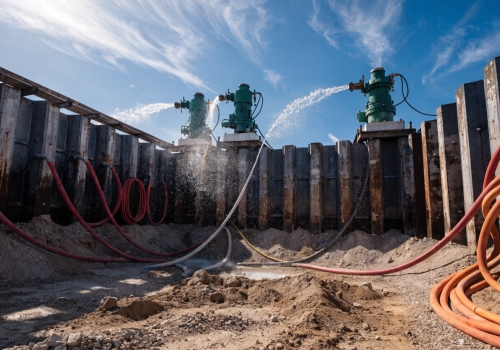
Removing water is a very important step. You have your walls in place. Now, you must make the inside dry. First, workers use a long tube to pour concrete under the water. We call this a tremie seal. This heavy concrete covers the dirt floor. It stops water from coming up from the bottom. After the concrete becomes hard, you start the water pumps. The pumps pull the water out of the closed space. Sometimes, small leaks happen at the steel joints. I tell workers to drop fine cinders outside the wall. The water flow pulls the cinders into the cracks. This blocks the leaks. When the space is completely dry, your team can start building the main foundation. After the new foundation is done, you must remove the cofferdam. You use a crane to pull the steel piles out of the mud. Because our Centerway Steel products are very strong, the sheets do not break. You can clean them and use them again. This saves a lot of money for your company. Good quality steel means less waste.
A strong cofferdam steel sheet pile keeps your work site dry and safe. Choosing the right steel, driving it correctly, and sealing it well ensures your project succeeds easily.











 English