

Bad foundation materials ruin building projects. Are you struggling to find the right pile sizes? You lose time and money. I will show you the exact sizes you need. The most common pipe piling specifications include steel pipe piles with diameters from 219mm to 1422mm and wall thicknesses from 5mm to 50mm. You can also use concrete and spiral pipes. The right size gives your building a strong and safe base.
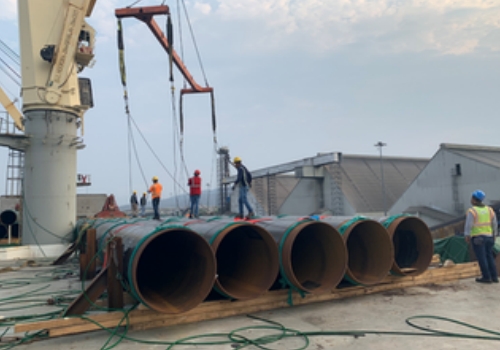
I faced a tough situation last year when we supplied foundation materials for a major port project in the Netherlands. The local engineers needed very exact sizes to meet strict European rules. We worked hard to match their demands, and we learned a lot from that job. If you stop reading now, you might make costly mistakes on your next project. Let us look at the details below.
Weak piles cause serious building failures. Do you know which pile material fits your exact project? You need clear data to make the safest choices for your job site. Pipe piles come in three main types. Spiral drilling pipes range from 60mm to 1220mm in diameter. Steel pipe piles measure 219mm to 1422mm across. Concrete piles usually span 300mm to 1200mm. Standard lengths for all types fall between 6 and 12 meters.
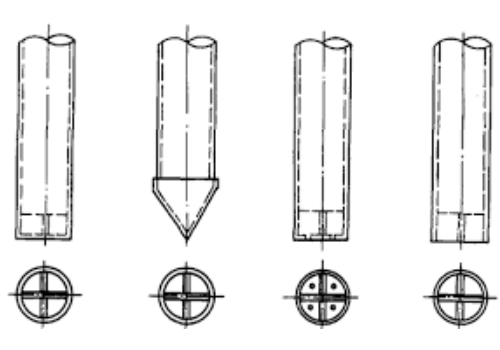
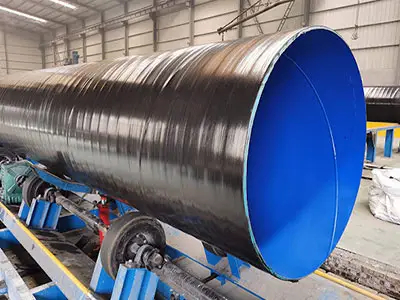
When I talk to buyers, they often confuse different pile types. You must understand the limits of each material. Spiral drilling pipes work well for quick dirt removal. Steel pipe piles offer the highest strength. Concrete piles cost less but weigh much more. During our recent project with an EPC company in Europe, the designers needed high strength. We supplied steel pipe piles with a 1422mm diameter and a 25mm wall thickness. This large size held up perfectly against heavy ocean waves. You can look at the basic sizes in this table below.
| Pile Type | Diameter Range | Wall Thickness | Standard Length |
|---|---|---|---|
| Spiral Drilling Pipe | 60mm - 1220mm | 5mm - 20mm | 6m - 12m |
| Steel Pipe Pile | 219mm - 1422mm | 5mm - 50mm | 6m - 12m |
| Concrete Pile | 300mm - 1200mm | Solid or Thick | 6m - 12m |
You must not pick sizes blindly. You have to match the pile type to your real project needs. If your pile length goes over 12 meters, you must split it into parts. I always tell my clients to plan these sections carefully.
Soft soil swallows your money if your pile diameter is too small. Are heavy loads cracking your foundation? I will help you match sizes to the ground beneath you. You must select your pipe piling specifications based on soil stability. Soft soils with high sediment need larger diameters to stay firm. Heavy building loads require thicker walls and correct lengths. You must control the planned pile length within 12 meters for each piece.
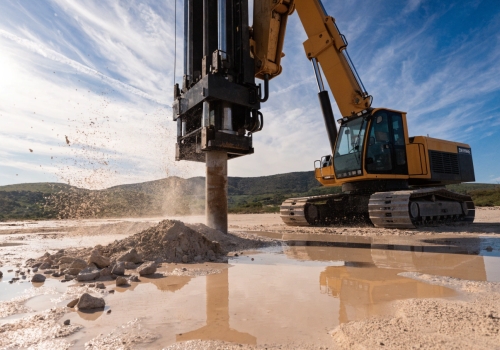
The dirt under your feet decides everything. I learned this when we delivered steel pipes for a wind farm in Germany. The soil there was very soft and full of sand. A small pipe would just sink and offer no support. We had to use large steel pipes to spread out the heavy weight. You must look at the bearing capacity of the earth. If you have stable soil with low sediment, you can use smaller pipes safely. If you have soft mud, you need wide pipes to create enough friction. The load of the building also changes your choice. Heavy buildings push down hard. You need bigger parts to push back.
| Soil Condition | Load Type | Recommended Action |
|---|---|---|
| Stable, Hard Soil | Light Load | Use smaller diameter, normal wall thickness |
| Soft, Sandy Mud | Heavy Load | Use larger diameter, thicker walls |
| Deep Unstable Layers | Variable Load | Use larger diameter, join sections firmly |
The deeper you go, the bigger your pipe piling specifications need to be. You have to think clearly about this. A small pipe deep in the ground will just bend. You must step up the size as you go deeper.
Bad pile joints lead to rust and water leaks underground. Does your piling system break apart over time? You must pick the right joints and steel thickness today. The wall thickness dictates the rust resistance and strength of your pipe pile. Thicker walls survive harsh underground conditions longer. You must also choose the best connection method. You can use welding, screw connections, or hook connections based on your real site needs.
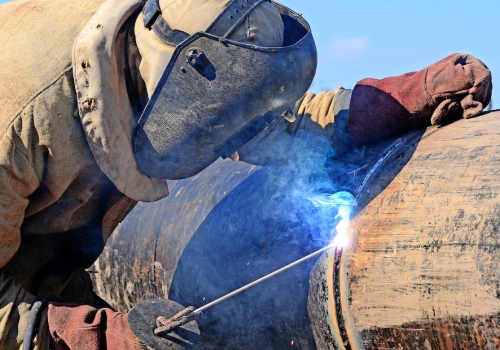
Piles live in a harsh world. The soil eats away at the metal. Water causes rust. When I work with buyers from Europe, they care deeply about service life. European rules demand very strict rust limits. If your soil contains chemicals or saltwater, you must choose a much thicker wall. A 5mm wall will rust away too fast. You might need a 20mm or 30mm wall to make the pile last fifty years. You can also add anti-rust paint, but thickness gives the best safety margin. You also have to connect the pile pieces firmly. Most piles stop at 12 meters. If you need a 24-meter pile, you must join two pieces.
| Connection Method | Best Use Case | Strength Level |
|---|---|---|
| Full Welding | High stress, permanent loads | Very High |
| Screw Connection | Fast assembly, medium loads | Medium |
| Hook Connection | Temporary piles, easy removal | Low |
I always recommend full welding for permanent steel piles. It stops water from getting inside. It keeps the strength continuous. You should talk to your steel pipe maker to understand these choices. We test all our connections in our factory to make sure they hold up in the field.
You must pick the right pile sizes, materials, and connections based on your soil and loads. The correct choices ensure a strong, safe, and lasting foundation for your project.











 English