

Are your pipes failing under heavy pressure? Choosing the wrong steel material costs you time and money. We must look at the exact metal elements inside the steel. An SSAW pipe relies on specific metal elements like carbon, manganese, and chromium to balance its strength and flexibility. Knowing how these metals work helps you pick the correct pipe for your construction projects. This knowledge stops sudden pipe damage and saves your budget.
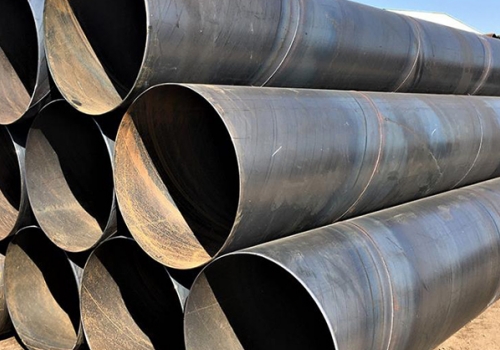
I remember a large water pipeline project a few years ago. The buyer chose a cheaper steel pipe without checking the chemical details. The pipes started to crack during the cold winter installation. I had to step in with our engineering team at Centerway Steel. We reviewed the material test reports and found the problem quickly. The steel had too much phosphorus. You must know what is inside your steel pipes. A good purchasing manager always checks the material quality to save costs for the company. We have provided steel pipe products to many EPC companies globally over the years. Let us break down how each metal element changes the performance of the steel pipe.
Do your pipes bend or break too easily on the job site? Weak steel ruins big construction projects. You need the right mix of carbon and manganese. Carbon increases the basic hardness of an SSAW pipe but lowers its flexibility. Manganese boosts overall steel strength and improves hardenability. Manganese also safely removes the bad effects of sulfur.
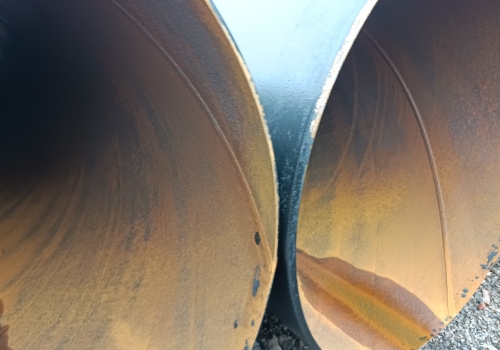
You need a strong pipe for building frameworks and deep foundation projects. Carbon is the most basic element in steel manufacturing. A higher carbon level means the steel becomes much harder. However, you face a trade-off here. More carbon makes the steel less flexible. The steel loses its normal toughness. If the carbon level gets too high, the pipe becomes very hard to weld on site. Your engineers will complain about poor workability.
Manganese acts like a smart helper in the steel mix. It directly increases the basic strength of the SSAW pipe. Manganese also improves the hardenability of the raw metal. It has a very special and important job. Manganese attacks and safely removes the bad effects of sulfur. If you buy a high-alloy pipe with a large amount of manganese, you get great wear resistance. High-manganese steel handles heavy friction very well. You often see this in mining or heavy construction. I always remind our buyers to look at the mill test certificate. You must check the exact balance of these two metal elements before buying your bulk order. We ensure our pipes meet strict chemical standards every time.
| Element | Main Benefit | Main Drawback | Best Application |
|---|---|---|---|
| Carbon | High hardness | Low flexibility | Structural supports |
| Manganese | High strength | Hard to cut | Heavy wear areas |
Are your pipes rusting or wearing out too fast? Bad weather and harsh dirt destroy normal steel. Specific metal elements stop this daily damage completely. Chromium gives the SSAW pipe strong resistance to rust and oxidation. Silicon increases basic hardness but reduces toughness. Tungsten adds high heat strength and makes the pipe last much longer.
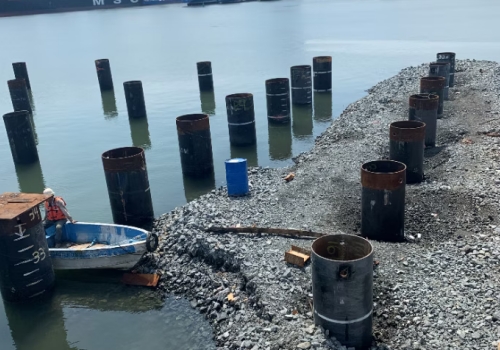
Construction projects often expose pipelines to rain, deep mud, and harsh chemicals. Chromium is your best defense against these elements. Chromium heavily improves the hardenability and overall wear resistance of the steel. More importantly, chromium greatly improves the anti-corrosion and anti-oxidation abilities of the SSAW pipe. We often galvanize common black pipes to add even more rust protection for coastal construction projects.
Tungsten has a very unique role in steel production. Tungsten improves the red hardness and the thermal strength of the steel. This means the pipe stays very strong even when it gets extremely hot. Tungsten also increases the wear resistance significantly. Your heavy-duty pipelines need this feature. Silicon is another common and useful addition. Silicon safely raises the hardness of the steel. However, silicon drops the plasticity and the toughness at the same time. You will find a specific amount of silicon in electrical steel pipes. This specific amount helps improve the soft magnetic properties of the material. You save huge replacement costs when your pipes resist rust and heat perfectly from day one.
| Element | Primary Function | Secondary Function | Key Project Benefit |
|---|---|---|---|
| Chromium | Stops rust | Stops oxidation | Long outdoor life |
| Tungsten | Resists heat | Resists wear | High friction jobs |
| Silicon | Adds hardness | Boosts magnetism | Electrical use |
Do your steel pipes crack suddenly in extreme hot or cold weather? Hidden impurities cause sudden and complete pipe failures. You must avoid these bad elements. Sulfur is a harmful impurity that causes hot brittleness. It makes pipes crack easily at high temperatures. Phosphorus causes cold brittleness. It makes steel break easily in freezing weather.
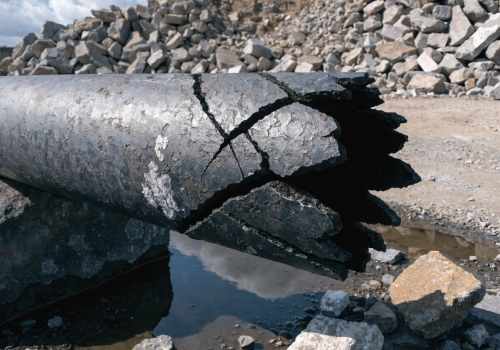
You expect your new pipes to handle extreme pressure on the job. Impurities completely ruin this expectation. Sulfur is a very harmful impurity inside the raw steel. When steel has high sulfur, it cannot handle high heat. The steel will crack easily when workers apply pressure at high temperatures. We call this dangerous problem hot brittleness. You cannot use these cheap pipes in hot working environments.
Phosphorus causes a different but equally huge danger. Phosphorus makes the plasticity and the toughness of the steel drop heavily. This drop becomes much worse in very low winter temperatures. We call this problem cold brittleness. High-quality steel must strictly control both sulfur and phosphorus levels.
I must note one strange fact about these impurities. A high level of sulfur and phosphorus can help low-carbon steel in one specific way. It makes the steel easy to break during fast cutting. This improves the overall machinability of the steel. However, for serious construction pipelines, you do not want weak steel. We always test our pipes through third-party labs like SGS and TUV. We prove our pipes are clean, strong, and completely safe for your projects.
| Impurity | Condition Caused | Danger Environment | Control Level |
|---|---|---|---|
| Sulfur | Hot brittleness | High temperatures | Strict limit |
| Phosphorus | Cold brittleness | Low temperatures | Strict limit |
Always check the exact chemical elements of your SSAW pipe. The right metal balance saves money and ensures safe construction. Centerway Steel provides reliable one-stop pipeline products globally.











 English