Product News

Centerway steel co., ltd
lsaw welding,lsaw steel pipe,hfw pipe

The Influence of Welding Techniques on the Mechanical Properties of Welded Steel Pipes

Date:2025-03-05

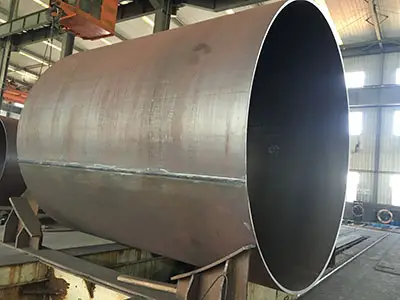
Introduction: The mechanical properties of welded steel pipes are influenced significantly by the welding process used to fabricate them. This article examines how different welding techniques affect the strength, toughness, and performance of welded steel pipes under various operational conditions.


Welding Techniques and Their Impact on Mechanical Properties:

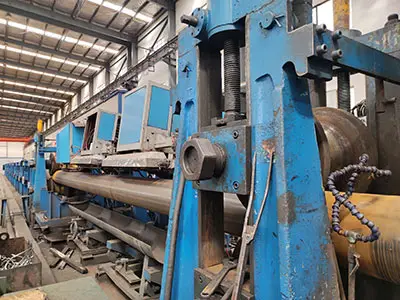
1. Electric Resistance Welding (ERW):

  • Strength: ERW welded steel pipes typically have high tensile strength, but the weld zone may be more susceptible to fatigue cracking.
  • Applications: Suitable for applications where the pipe will be subjected to moderate pressure and temperature.

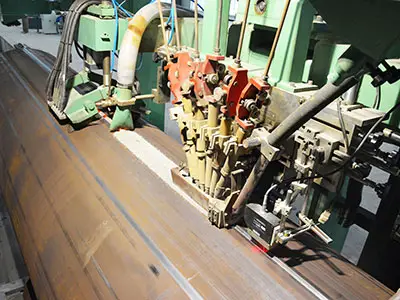
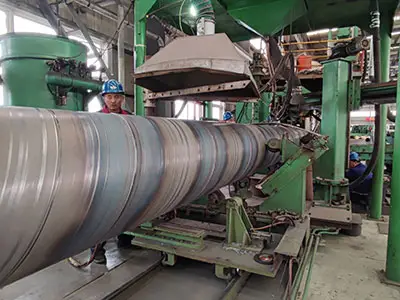
2. Submerged Arc Welding (SAW):

  • Strength and Durability: This method produces welds with deep penetration and excellent mechanical properties, making it ideal for high-pressure systems.
  • Applications: Common in the oil, gas, and petrochemical industries.

3. TIG and MIG Welding:

  • Precision: These processes provide cleaner, more precise welds, ideal for thinner-walled pipes or applications requiring high levels of corrosion resistance.
  • Toughness: While TIG and MIG welded steel pipes exhibit good toughness, they may not match the strength of SAW welded pipes in heavy-duty applications.

Heat-Affected Zone (HAZ) and Its Impact on Performance:

  • The HAZ refers to the portion of the material that is affected by the heat from welding, which can alter the microstructure and mechanical properties.
  • Risk of Brittle Zones: In some welding methods, the HAZ can become brittle, especially if the cooling rate is too fast or the alloy composition isn’t ideal.

Conclusion: The choice of welding technique for welded steel pipes directly impacts their mechanical properties. Understanding these effects is crucial for selecting the right pipe for specific applications, whether they require high strength, toughness, or resistance to harsh environments.

Recommended

  • Centerway Steel successfully concluded its participation in ADIPEC 2026 in Abu Dhabi, welcoming visitors from around the world and showcasing its steel pipes, fittings, flanges, valves, and customized pipeline solutions. The exhibition provided valuable opportunities to strengthen industry connections, exchange insights, and explore future partnerships.
    2026-11-06
  • This guide explores the API 5L standard and breaks down the critical differences between PSL1 and PSL2 specifications. It explains why choosing API 5L PSL2 LSAW steel pipe ensures maximum safety, durability, and cost-efficiency for your high-pressure oil and gas pipeline projects.
    2026-10-29
  • This comprehensive guide explores the essential material requirements, manufacturing processes, and size selections for a carbon steel piling pipe. It equips construction professionals with the necessary knowledge to choose durable, cost-effective steel materials for a safe project foundation.
    2026-10-27
  • This article provides a comprehensive guide to the a252 piling pipe, detailing its structural requirements, manufacturing processes, and the differences between Grades 1, 2, and 3. It helps construction and purchasing managers choose the right steel piles and anti-corrosion coatings to build safe, long-lasting deep foundations.
    2026-10-20
  • Centerway Steel will exhibit at ADIPEC 2026 in Abu Dhabi from November 2–5. Visit Hall 15, Booth 15330, to discuss steel pipes, fittings, flanges, valves, and pipeline solutions with our team.
    2026-10-22
We use cookies and other tracking technologies to improve your browsing experience on our website, to show you personalized content and targeted ads, to analyze our website traffic, and to understand where our visitors are coming from,This behavior is in compliance with the user consent policy.