

You need strong pipes for high-pressure projects, but failing materials cause costly leaks. We understand this struggle. Let me show you why these pipes solve your temperature and pressure problems. ASTM A672 pipe is an electric fusion welded steel pipe built for high-pressure and moderate-temperature applications. Industries use it widely in oil, gas, and power plants because it offers unmatched durability, precise chemical composition, and exceptional strength under extreme conditions.
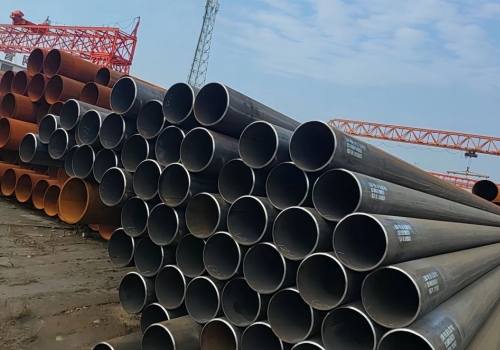
You might wonder how a simple steel pipe handles such extreme pressure without bursting. Read on to uncover the exact manufacturing secrets that give these pipes their incredible strength.
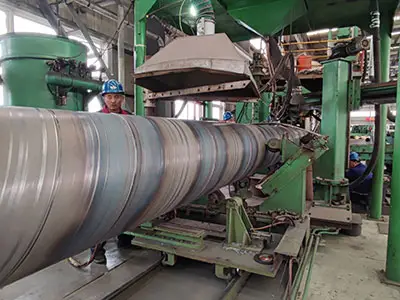
Are you confused by complex piping standards? Picking the wrong specification wastes money and risks safety. We simplify the core rules of this essential pipeline standard for you. The ASTM A672 standard defines the rules for electric fusion welded steel pipes. It controls the chemical makeup, manufacturing methods, and testing steps. This ensures every pipe safely handles moderate temperatures and high pressures in critical industrial systems. To truly grasp this standard, you need to look at how we make an efw steel pipe. The manufacturing process involves several critical steps to ensure zero defects in the final product.
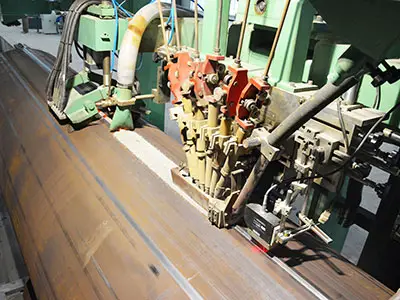
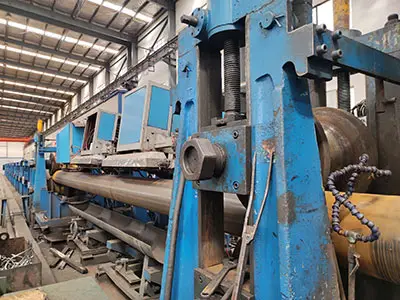
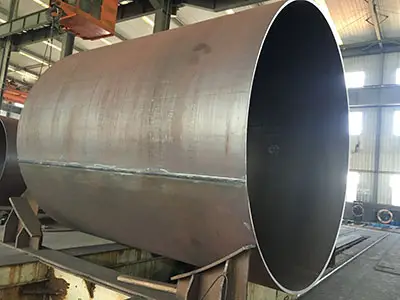
First, we choose high-quality carbon or alloy steel plates. We roll these thick plates into perfect cylinders. We control the forming methods to guarantee exact diameters.
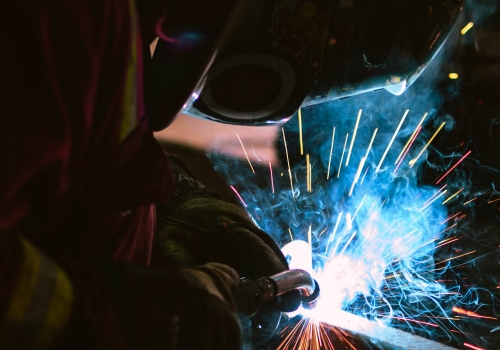
Next, we use electric fusion welding. This process uses high-frequency currents to melt and fuse the steel edges together. This creates a solid, leak-proof bond.
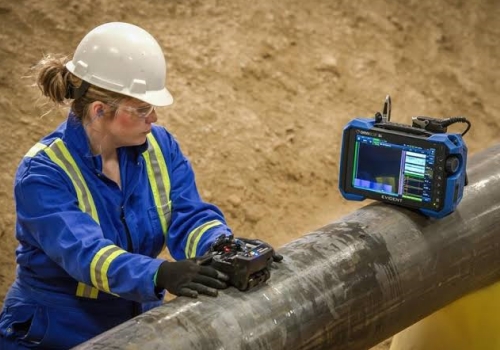
Finally, we apply heat treatment to relieve internal metal stress. We also run non-destructive tests on every inch of the weld. Here is a quick look at the testing parameters we follow to ensure total safety:
| Test Type | Purpose | Pass Criteria |
|---|---|---|
| X-Ray Inspection | Checks inside the weld | No cracks or large pores |
| Ultrasonic Test | Finds hidden flaws | Zero internal defects |
| Pressure Test | Simulates real use | Holds maximum rated pressure |
· Removes internal metal stress
· Guarantees long-term reliability
Choosing the wrong pipe grade ruins your budget. Overspending hurts, but underspending causes dangerous failures. Let me break down the exact differences so you choose wisely. ASTM A672 pipes come in different grades like Grade B and Grade C. Grade B uses carbon steel for standard pressure systems, saving you money. Grade C adds special alloys for higher temperatures and extreme pressures in demanding environments.
Understanding the grades and classes saves you from costly mistakes. We classify these pipes based on their raw material and performance limits to fit your specific needs.
Grade B relies on standard carbon steel. It works perfectly for basic oil and water transport. Grade C includes stronger materials. It features higher tensile strength for extreme industrial steam systems.
The standard also uses classes to define testing and pressure limits.
· Class 2: Upgraded strength for high-temperature steam
· Class 3: Ultra-high pressure environments, tested rigorously for flaws Let us look at the exact chemical elements that make these grades work:
| Element | Function In Steel | Impact On Pipe |
|---|---|---|
| Carbon (C) | Adds pure strength | Handles higher pressure |
| Manganese (Mn) | Improves toughness | Makes welding easier |
| Chromium (Cr) | Fights rust | Extends pipe lifespan |
When you buy an astm a672 pipe, knowing these exact chemical traits helps you match the pipe to your specific project needs and environment.
Do you worry if these pipes will survive your specific project? Using unproven materials is dangerous. We have seen these pipes succeed in the toughest places. Industries use these pipes primarily in power generation, oil refineries, and chemical plants. They transport high-pressure steam, corrosive sour gas, and harsh acids. Their thick walls and solid welds prevent leaks in environments where basic pipes would instantly fail. You will find these heavy-duty pipes in the most demanding industrial sectors. We constantly supply them for massive infrastructure projects worldwide.
Power plants need pipes that can carry superheated steam. Thermal and nuclear plants rely on Class 3 pipes because they withstand continuous heat without warping or cracking under pressure.
Refineries handle dangerous chemicals and sour gas. The added alloys in these pipes resist chemical breakdown. This keeps workers safe and prevents environmental disasters.
I recently helped a facility upgrade its steam transport system. They needed pipes that could handle 500°C heat and over 200 MPa of pressure.
· Our solution: Supplied Grade C Class 3 pipes with custom heat treatment
· The result: The plant increased steam transport efficiency by 12 percent and cut maintenance costs by $45,000 annually This proves that picking the correct material directly improves your bottom line and system safety.
Buying steel pipes feels overwhelming with so many options. Guessing the specs leads to disaster. Let me give you a simple checklist to ensure perfect sourcing. To select the right pipe, first check your system maximum temperature and pressure. Next, assess the transported fluid for corrosive elements. Finally, verify the manufacturer uses strict electric fusion welding and provides full non-destructive testing reports for safety.
I always tell clients to look past the price tag. You need a systematic approach to buy the right efw steel pipe without wasting time or money.
Write down your exact operating limits. If you stay under moderate temperatures, a standard Grade B works well. If you push past that into extreme heat, you must upgrade to Grade C.
What flows inside the pipe? If you transport raw natural gas, standard carbon steel will rust quickly. You must request pipes with added Chromium and Molybdenum for chemical defense.
Your supplier makes or breaks the project. Ask these questions before you buy:
· Do they provide third-party X-ray test reports?
· Do they offer anti-corrosion coatings?
| Buying Factor | Why It Matters | Risk If Ignored |
|---|---|---|
| Test Reports | Proves weld quality | Sudden pipe bursts |
| Custom Sizes | Fits your exact design | Installation delays |
| Coating Options | Stops external rust | Short pipe lifespan |
You still have lingering questions about these specific pipes. Leaving questions unanswered causes buying hesitation. I will answer the most common queries right now. People often ask about the difference between A671 and A672 pipes, the welding methods used, and the best applications. A672 is for moderate temperatures, while A671 handles lower temperatures. Both use electric fusion welding for maximum joint strength. Let me clear up the confusion I hear every day from buyers and engineers regarding these pipeline systems.
Q: What is the main difference between ASTM A671 and ASTM A672?
A: The difference comes down to temperature limits. We use A671 for atmospheric and lower temperatures. We use A672 for moderate temperatures and high-pressure service. You must match the standard to your heat levels.
Q: Can I use an efw steel pipe for drinking water?
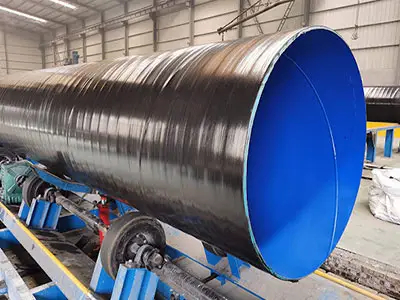
A: Yes, you can. However, you must apply a food-grade internal epoxy coating. Without the coating, raw steel will eventually rust and contaminate the water supply over time.
Q: How long does this type of pipe last in a power plant?
A: If you choose the correct grade and class, these pipes easily last 20 to 30 years. Proper initial heat treatment and regular maintenance directly extend their useful life.
Q: Does the welding seam weaken the pipe?
A: No. We perform strict electric fusion welding. We then apply heat treatment to the whole pipe. This process makes the weld seam just as strong as the rest of the steel plate.
ASTM A672 pipes deliver unbeatable strength for high-pressure systems. Contact Centerway Steel today to get premium astm a672 pipe solutions that fit your exact project needs!











 English