

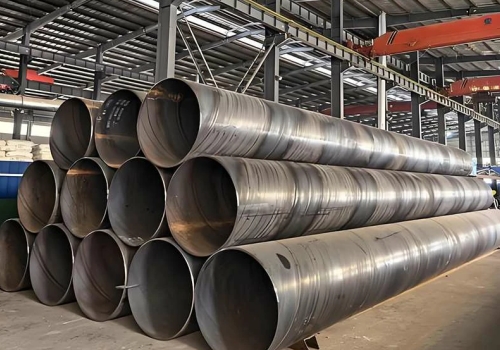
Do you struggle to find the right pipe? Choosing the wrong material costs you time and money. I will help you pick the best one for your next project. The most common SSAW steel pipe materials include carbon steel, stainless steel, alloy steel, and galvanized steel. Carbon steel transports water and gas. Stainless steel resists corrosion. Alloy steel handles high pressure. Galvanized steel gives excellent rust protection for construction networks.
You do not want to make a costly mistake. You must know the details of these materials. Keep reading to see which material fits your project best.
Do high project costs give you headaches? Carbon steel gives you strong support without breaking your budget. We will see why many engineers love this choice. Carbon steel is the top choice for SSAW steel pipe materials. It is strong, affordable, and easy to weld. It works perfectly for water transport, gas lines, and piling in construction projects. It offers a long service life at a lower cost.
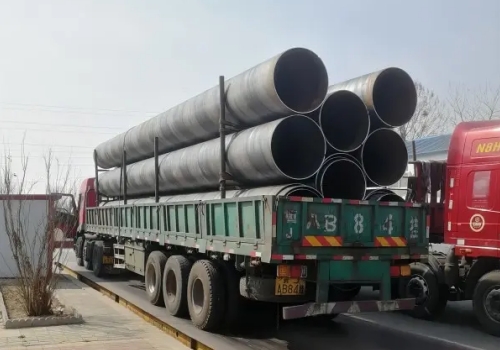
I work as a supplier at Centerway Steel. I see many EPC buyers choose carbon steel every day. It forms the backbone of most infrastructure projects. We sent thousands of tons of carbon steel SSAW pipes to a huge water pipeline project in Africa last year. The client needed strong pipes. They also had a strict budget. Carbon steel solved their problem perfectly. The spiral welding process makes carbon steel pipes very strong. They handle external soil pressure well. You can use them for city water networks and bridge piling. Carbon steel has different grades. You must choose the right grade for your specific pressure needs.
| Material Grade | Common Application | Cost Level | Strength Level |
|---|---|---|---|
| Q235B / S235 | Low pressure water transport | Low | Basic |
| Q355B / S355 | Structural piling, bridges | Medium | High |
| API 5L Gr.B | Oil and gas pipelines | Medium | High |
Do extreme temperatures or harsh chemicals break your pipes? Standard steel fails here. You need special materials that survive these tough conditions easily. You should use stainless steel for highly corrosive media like acids or salts. You need alloy steel when your pipeline faces high pressure and heat. Both SSAW steel pipe materials offer maximum strength and safety for chemical plants and power generation projects.
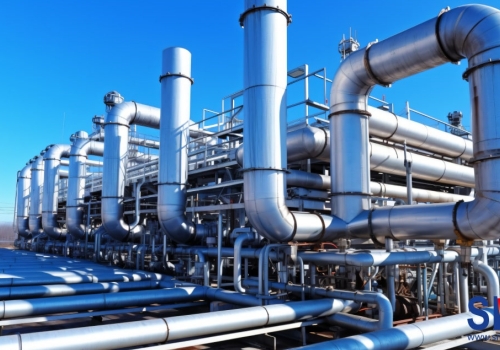
Sometimes carbon steel is not enough. I recently helped a client in Europe. They built a new thermal power plant. They needed pipes for high-temperature steam. We supplied them with high-quality alloy steel pipes. Alloy steel has extra elements like chromium and molybdenum. These elements make the steel survive extreme heat and pressure. Stainless steel is another great choice for harsh environments. It has a beautiful appearance. More importantly, it fights rust and chemical corrosion naturally. You do not need extra coatings for stainless steel. It is perfect for food processing or chemical transport.
| Material Type | Main Advantage | Best Use Case | Price Level |
|---|---|---|---|
| Stainless Steel | High corrosion resistance | Acid, alkali, chemical plants | High |
| Alloy Steel | High heat and pressure limit | Power plants, refineries | High |
| Galvanized Steel | Good rust protection | Outdoor water lines | Medium |
These advanced materials cost more upfront. But they save you money later. They have a very long service life. You spend less time and money on maintenance. We have strong production capabilities to meet these strict requirements.
Are you confused by different pipe sizes? Picking the wrong size causes big installation delays. I can make this choice very simple for you. To choose the right specifications, you must look at your application, media properties, and budget. Large diameter thick-walled pipes handle high pressure better. Small diameter thin-walled pipes offer better flexibility. They are much easier for your team to cut and install.
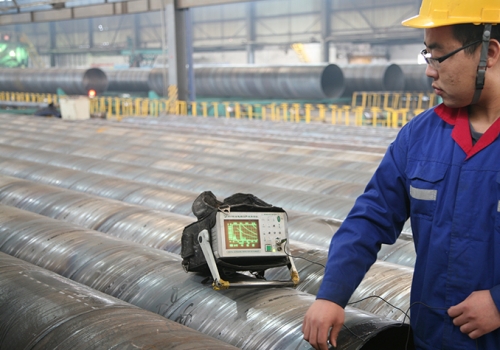
You must choose the right material first. Then you must pick the exact size and wall thickness. I always ask my clients three questions. What is the pressure? What is the temperature? What is your budget? Large diameter pipes are hard to bend. They are also hard to cut. But they carry huge amounts of oil or water. We supplied massive large-diameter pipes for a port construction project in Oceania. They needed heavy thickness to resist the ocean waves. Small diameter pipes are very different. They are easy to process. Your team can install them quickly.
| Factor | Large Diameter & Thick Wall | Small Diameter & Thin Wall |
|---|---|---|
| Pressure Limit | Very High | Low to Medium |
| Installation | Requires heavy machines | Easy, fast |
| Impact Resistance | Extremely strong | Good toughness |
| Cost | High | Lower |
You must find a balance. You want safety. You do not want to waste money. We are Centerway Steel. We are a professional steel pipe integration supplier. We have a huge inventory. We give you a one-stop service. We help you pick the perfect specifications for your exact needs.
You must match your SSAW steel pipe materials and specifications to your project needs. We provide the right pipes to keep your construction safe, efficient, and under budget.











 English