

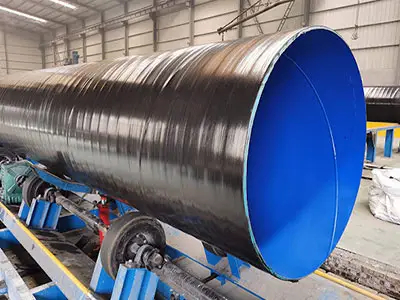
EFW stainless steel pipes (Electric Fusion Welded stainless steel pipes) have become a cornerstone in modern industrial piping systems due to their excellent strength, corrosion resistance, and cost-effectiveness. Unlike seamless pipes, EFW pipes are manufactured through electric fusion welding, which allows for precise control over wall thickness, diameter, and mechanical properties. This article explores the top industries that rely on EFW stainless steel pipes, highlighting their specific applications, technical requirements, and performance advantages.
The oil and gas sector is one of the largest consumers of efw stainless steel pipes. These pipes are ideal for transporting crude oil, natural gas, and refined products under high pressure and corrosive environments.
Technical considerations:
· High mechanical strength for long-distance pipelines
· Resistance to sulfide stress cracking (SSC) and hydrogen embrittlement
· Compliance with standards like ASTM A312 or API 5L
Applications:
· Offshore and onshore pipelines
· Refineries and processing units
· Gas distribution networks
EFW pipes’ controlled welding process ensures uniformity in thickness and superior weld integrity, critical for maintaining safety in high-pressure applications.
Chemical plants often handle highly corrosive fluids, making efw stainless steel pipes a preferred choice. These pipes can withstand aggressive chemicals and high temperatures without compromising structural integrity.
Technical considerations:
· Corrosion resistance to acids, alkalis, and organic solvents
· Capability to operate at elevated temperatures (up to 800°F in certain alloys)
· Easy integration with existing welded pipe networks
Applications:
· Process piping for reactors, heat exchangers, and storage tanks
· Transport of hazardous chemicals in both liquid and gaseous states
· Cooling water and steam pipelines
By choosing EFW stainless steel pipes, chemical engineers reduce maintenance costs while ensuring system reliability.
Power plants, especially those using steam and nuclear energy, require efw stainless steel pipes for high-pressure and high-temperature fluid transportation.
Technical considerations:
· Excellent creep and thermal resistance
· Compliance with power industry standards (ASME B31.1, B31.3)
· Welded pipes allow for large-diameter solutions at reasonable costs
Applications:
· Steam lines in thermal and nuclear plants
· Condensate and feedwater piping
· Boiler tubes and auxiliary systems
The smooth inner surface of EFW pipes also minimizes pressure loss and improves flow efficiency in long-distance pipelines.
In food and beverage processing, hygiene and corrosion resistance are paramount. EFW stainless steel pipes are widely used because they are easy to clean, maintain, and resist contamination.
Technical considerations:
· Compliance with sanitary standards (FDA, 3-A Sanitary Standards)
· Resistance to corrosion from acids, cleaning agents, and high-moisture environments
· Smooth surfaces for easy cleaning and reduced bacterial growth
Applications:
· Beverage distribution lines
· Dairy and milk processing pipelines
· Food-grade chemical transport
EFW pipes ensure consistent quality and durability while maintaining sanitary conditions critical to this industry.
Water treatment facilities demand corrosion-resistant piping for potable and industrial water. EFW stainless steel pipes provide an efficient and durable solution.
Technical considerations:
· Resistance to chlorides and other oxidizing agents
· Longevity in underground and submerged conditions
· Compatibility with high-pressure pumps and filtration systems
Applications:
· Potable water distribution
· Industrial process water transport
· Desalination plant pipelines
The combination of cost-effectiveness and reliability makes EFW stainless steel pipes a popular choice in water infrastructure projects.
The pharmaceutical sector requires extremely clean and reliable piping for the production of medicines and other biotech products. EFW stainless steel pipes are often specified for these environments.
Technical considerations:
· Sanitary-grade finishes
· Ability to withstand sterilization processes (steam, chemicals)
· Low risk of particle shedding and contamination
Applications:
· Sterile process piping
· Ingredient transport
· Utility lines for clean-in-place (CIP) systems
By using EFW pipes, pharmaceutical manufacturers ensure compliance with strict regulatory standards while maintaining system efficiency.
EFW stainless steel pipes are versatile, reliable, and technically superior in a variety of industrial applications. From oil and gas pipelines to food processing, water treatment, power generation, and pharmaceuticals, these pipes offer:
· High strength and durability
· Superior corrosion resistance
· Cost-effective large-diameter solutions
· Compliance with international standards
For industries requiring long-lasting, high-performance piping solutions, efw stainless steel pipes remain a go-to choice. Selecting the right material grade, weld quality, and diameter is essential to optimizing system performance and ensuring safety.











 English