

Are you struggling to choose between ERW and EFW steel pipes for your next high-pressure construction project? Making the wrong choice can lead to pipeline cracks, leaks, or massive budget overruns.
You can solve this problem by choosing Electric Fusion Welding (EFW) pipes over Electric Resistance Welding (ERW) pipes. EFW pipes offer much higher strength, better pressure ratings, and superior reliability for critical engineering applications.
I have worked in the construction and pipeline industry for over 18 years. In my role as a purchasing manager for mid-sized EPC contracting companies, I used to worry constantly about pipeline safety and material costs. Early in my career, I chose cheap pipes for a high-pressure line, and the seams failed during testing. That costly mistake taught me to look deeply into how these pipes are actually made. Let me share what I learned about why one method is far better than the other.
Do you know how the manufacturing process directly changes the strength of your pipeline? If you do not understand the welding physics, you might select a pipe that fails under heavy stress.
The key difference lies in how the steel edges join together. EFW uses an electron beam or laser to melt the steel completely with filler metal, while ERW uses high-frequency electricity to join edges by pressure without filler.
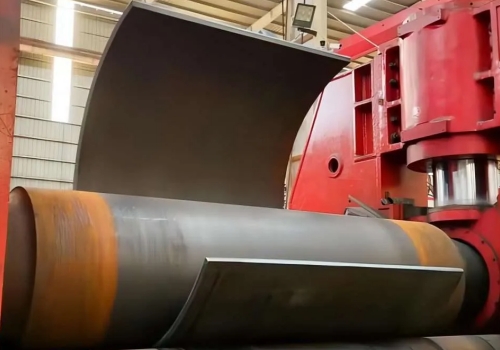
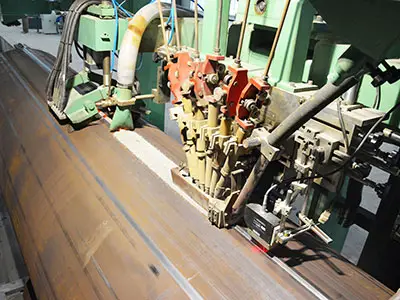
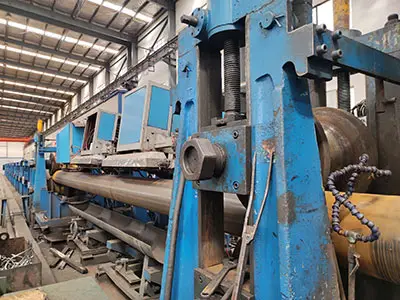
I always look at the welding process before I sign any purchase order. In Electric Resistance Welding (ERW), the machine feeds a flat steel coil through rollers. The machine passes a high-frequency current through the edges. The edges get hot, and then mechanical rollers squeeze them together. This process creates a weld seam along the length of the pipe. The machine trims the outside seam, but the inside seam often stays rough or visible.
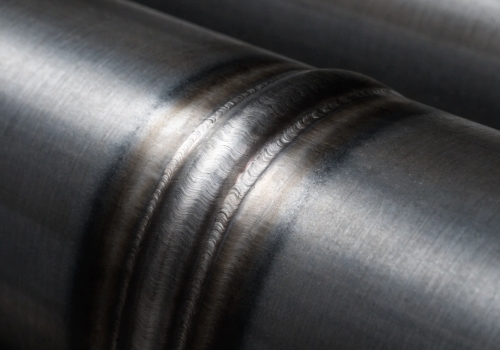
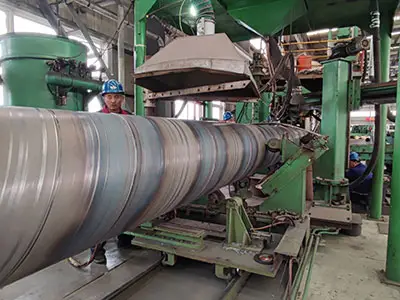
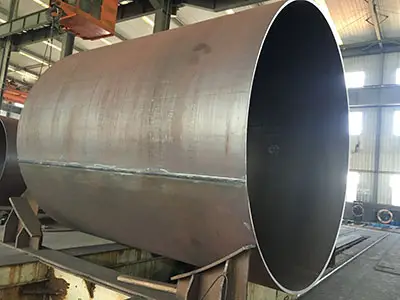
Electric Fusion Welding (EFW) uses a completely different method. The machine uses an electron beam or a high-energy laser to melt the steel plate edges. This process often uses filler metal to create a continuous, deep fusion weld. The machine cleans and smooths both the inside and outside weld seams perfectly. This complete fusion makes the seam incredibly dense.
| Feature | ERW Pipe Process | EFW Pipe Process |
|---|---|---|
| Heat Source | High-Frequency Electric Current | Electron Beam / Laser Fusion |
| Filler Metal | No filler metal used | Uses filler metal for deep fusion |
| Seam Finish | Trimmed outside, visible inside | Cleaned and smooth on both sides |
| Heat Affected Zone | Wider zone with more stress | Narrow zone with uniform metal |
Are you worried that your thick-walled pipes will crack when the system pressure spikes? Using the wrong pipe specification in heavy-duty construction can cause catastrophic pipeline bursts.
The advantages of efw pipes over erw pipes include a much higher pressure rating and the ability to handle massive wall thicknesses. EFW pipes offer a uniform metal structure that behaves like a seamless pipe but costs much less.
When I design pipeline systems for large buildings or industrial plants, pressure ratings are my top priority. ERW pipes work well for standard applications, but they have strict size limits. They usually range from 0.5 inches to 48 inches. More importantly, they use thinner walls. If you need a heavy wall thickness like Schedule 160 or XXS, ERW machines often struggle to create a reliable bond.
EFW pipes excel in these tough conditions. The sizes range from 1/8 inch all the way up to 100 inches in diameter. The laser fusion method allows manufacturers to create very thick walls. This gives EFW pipes a much higher pressure rating. The fusion process creates a very narrow heat-affected zone. This means the crystal structure of the steel stays uniform. The pipe does not have weak spots near the weld line. For this reason, I often use EFW pipes as a cost-effective substitute for expensive seamless pipes in high-pressure systems.
| Specification | Typical Size Range | Best Industry Applications |
|---|---|---|
| ERW (ASTM A53 / A178) | 1/2" to 48" | HVAC, low-pressure plumbing, fire networks |
| EFW (ASTM A672 / A691) | 1/8" to 100" | High-pressure boilers, oil refining, heavy structures |
Are you wasting your project budget by replacing corroded pipes every few years? Corrosive fluids can eat through standard weld seams quickly, leading to leaks and shutdowns.
You can stop this waste because the advantages of efw pipes over erw pipes include superior corrosion resistance. The smooth finish on both sides of the EFW weld eliminates places where rust can start.
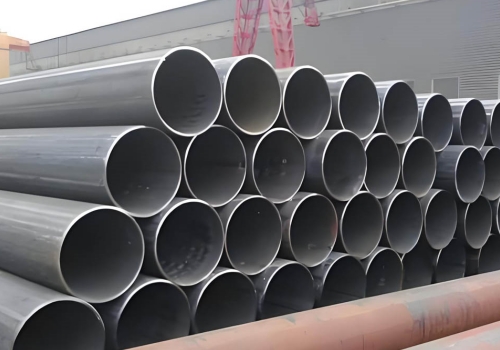
I have managed projects in coastal areas where salt water and chemicals destroy steel quickly. Old ERW pipes often suffer from seam corrosion and hook cracks. This happens because the low-frequency or high-frequency pressure weld leaves micro-gaps. Chemical fluids trap themselves in these rough inside seams and eat through the metal.
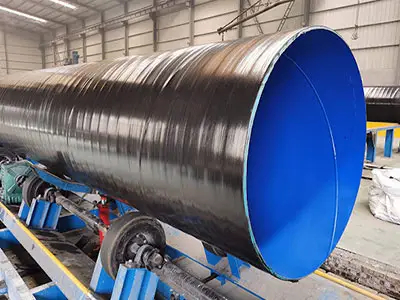
EFW pipes solve this issue completely. The complete melting of the metal leaves no gaps. Manufacturers can also apply surface finishes like acid pickling, matt polishing, or sandblasting. These finishes protect the pipe further. EFW pipes use many strong alloys, including stainless steel, high nickel alloys, and carbon steel. This material flexibility helps me choose the exact pipe for the specific chemical environment. By using EFW, my company saves money on long-term maintenance and replacement costs.
| Pipe Type | Common Material Alloys | Available Surface Finishes |
|---|---|---|
| ERW Pipe | Carbon Steel, Basic Stainless Steel | Black paint, Bare, Galvanized |
| EFW Pipe | Carbon, Stainless, High Nickel Alloys | Acid Pickled, Matt Polish, Sandblast |
Are you tired of dealing with multiple suppliers for your pipes, valves, and fittings? Managing five different vendors causes communication delays and increases your shipping costs.
You can simplify your supply chain by partnering with an integrated one-stop supplier. This choice ensures you get high-quality EFW pipes and all matching components from a single source.
In my 18 years of buying materials, I learned that finding a good manufacturer is just as important as choosing the pipe type. I used to spend days matching pipes from one factory with valves from another factory. The parts often did not fit perfectly during installation. This is why the advantages of efw pipes over erw pipes only matter if your supplier can deliver a complete, certified system.
Now, I look for companies that offer an integrated supply cluster. Centerway Steel is a great example of this solution. They have first-class production capabilities for large diameters and heavy thicknesses. They hold international certifications like ISO 9001, CE, and GOST. Their products pass third-party inspections by SGS and BV. They supply steel pipes, pipe fittings, and valves under one roof. This one-stop integration solves my biggest purchasing challenge. It saves time, reduces freight costs, and ensures all pipeline parts fit together perfectly on the construction site.
Verification Step
What to Look For
Why It Matters for Your Project
Certifications
ISO 9001, CE, GOST, AAA Credit
Ensures global manufacturing standards
Third-Party Inspection
SGS, BV, TUV, DNV reports
Verifies actual pipe strength and weld quality
Product Scope
Pipes, Fittings, and Valves together
Eliminates matching errors and reduces logistics
EFW pipes offer superior strength, higher pressure ratings, and better corrosion resistance than ERW pipes, making them the best choice for critical, high-pressure construction and engineering projects worldwide.











 English