

Are you struggling to find the exact pipe size? Wrong diameters lead to delays and budget leaks. Let us fix that sizing problem right now. The LSAW pipe diameter range generally spans from 20mm for small-diameter welded pipes up to 2020mm for large-diameter double-weld pipes. Single-weld LSAW pipes typically reach a maximum diameter of 1220mm, with wall thicknesses starting from 5mm.
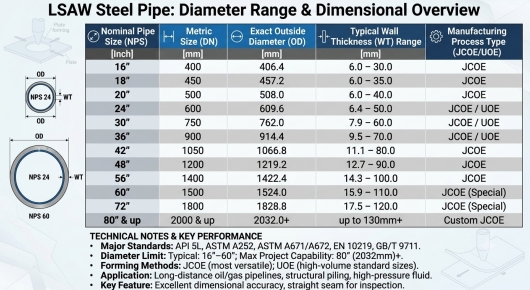
Sizing your pipeline correctly is the first step to a successful build. If you pick the wrong size, your entire project will fail. Let me break down the specific dimensions you must know right now to avoid costly mistakes.
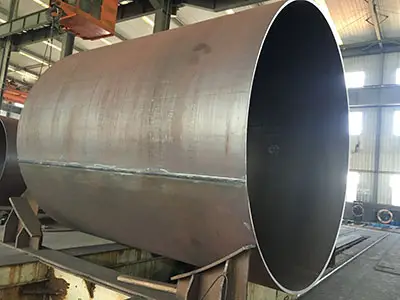
Worried your heavy-duty project lacks adequate support? Small pipes fail under high pressure. You need large-diameter solutions to ensure complete safety and stability on site. Large-diameter LSAW steel pipes start at 219mm with a minimum wall thickness of 5mm. Single seam welds reach up to 1220mm. If you need bigger sizes, double seam welds can reach an impressive 2020mm.
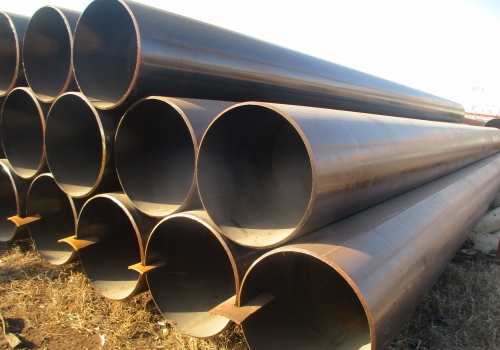
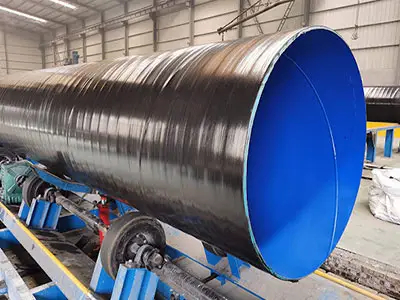
When I work with clients, large-diameter pipes are always the most critical items. They carry massive loads and handle high pressure. You cannot afford mistakes here. Single weld pipes are great for standard large projects. But when the diameter goes over 1220mm, we must use double submerged arc welding. This double weld method safely extends the LSAW pipe diameter range up to 2020mm. Last year, I supplied a major water transmission project in Australia. The Australian client needed pipes with a 1500mm diameter for a coastal pipeline. We understand the strict Australian standards. So we provided double-weld LSAW pipes that fit perfectly. Our mature project experience in Australia proves that we can handle complex, large-scale demands. You can trust our production lines to deliver. Here is a breakdown of common large-diameter sizes:
| Pipe Type | Minimum Diameter | Maximum Diameter | Minimum Wall Thickness |
|---|---|---|---|
| Single Weld LSAW | 219mm | 1220mm | 5mm |
| Double Weld LSAW | 1220mm | 2020mm | 10mm |
Finding precise small-scale pipes can be frustrating. Poorly made small pipes crack easily during installation. You need reliable small-diameter options for complex structural layouts. Small-diameter LSAW steel pipes have a minimum diameter that can reach about 20mm. People often call them welded pipes. They are perfect for lighter structural supports, handrails, and low-pressure fluid transport in your buildings.
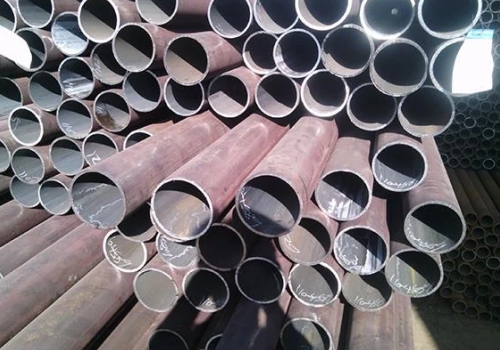
Many buyers only focus on huge pipes. But small-diameter pipes are just as important for a complete project. I always remind my clients not to ignore these smaller sizes. The LSAW pipe diameter range goes all the way down to 20mm. This size is very common in general building construction and urban pipeline networks. These small pipes are very flexible. You can use them for secondary support structures or minor water lines. Even though they are small, we manufacture them with the same high quality as the big pipes. We use advanced welding tools to make sure the seams are strong. You do not have to worry about leaks. Look at the common small-diameter specs below:
| Category | Typical Diameter Range | Common Applications |
|---|---|---|
| Micro Welded Pipe | 20mm - 50mm | Handrails, minor fluid transport |
| Standard Small Pipe | 50mm - 219mm | Building structures, urban networks |
Are your pipes buckling under heavy soil weight? Thin walls ruin expensive pipelines fast. You must match the right wall thickness to your chosen pipe diameter today. Wall thickness directly limits the maximum LSAW pipe diameter range. For pipes over 219mm, the starting thickness is 5mm. As the diameter reaches 1000mm or more, you must increase the thickness to 10mm to maintain structural integrity.
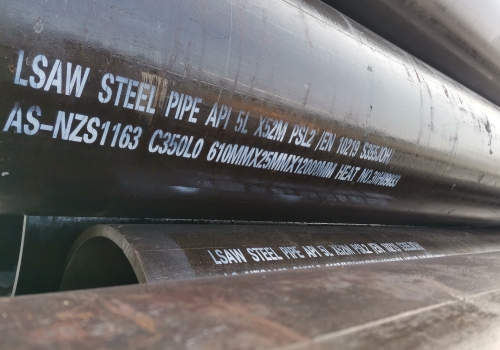
You cannot pick a diameter without thinking about wall thickness. I see this mistake often. A huge pipe with a thin wall will collapse under the ground. The LSAW pipe diameter range is closely tied to how thick the steel plate can be. Our machines form the pipe by pressing a flat steel plate. If the plate is extremely thick, it is harder to bend into a small circle. That is why small pipes have thinner maximum walls. But very large pipes need thicker walls to stay round and strong. When I worked with our Australian partners on port construction, they needed thick-walled pipes to resist seawater pressure. We customized the thickness to match their exact diameter needs. Here is a quick guide to help you match them:
| Diameter Range | Recommended Minimum Thickness | Recommended Maximum Thickness |
|---|---|---|
| 219mm - 508mm | 5mm | 20mm |
| 508mm - 1220mm | 8mm | 30mm |
| 1220mm - 2020mm | 10mm | 40mm |
I strongly suggest you check your project pressure ratings before you order. I always tell my clients to consult their engineers early. You must verify the ground conditions. This simple step stops many future problems and keeps your project safe.
Still confused about which size fits your specific site? Guessing the size costs time and money. Here are clear answers to guide your final choice. I compiled the most common questions from my clients regarding LSAW pipe sizing. Read these quick answers to clear up any final doubts about pipe dimensions, limits, and order details before you make your purchase.
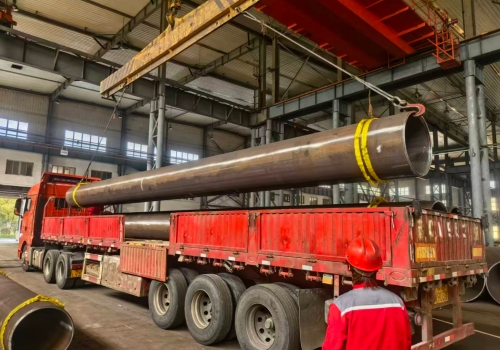
I know buying steel pipes is a big decision. Over my years of experience, buyers ask me the same important questions. To make your job easier, I put together this simple FAQ. You can find your answers right here.
Q: What is the absolute maximum LSAW pipe diameter range you can produce?
A: We can produce up to 2020mm. To reach this size, we use a double submerged arc welding process.
Q: Can I order a custom diameter that is not on the standard chart?
A: Yes. Because we use LSAW technology, we can adjust our molds. We can make custom sizes as long as they fit within the 20mm to 2020mm limit.
Q: Do large-diameter pipes cost more to ship to Australia?
A: Yes, very large pipes take up more space on the ship. But we have mature logistics experience. We can nest smaller pipes inside the larger ones to save you shipping money.
Q: What is the smallest LSAW pipe you sell?
A: The smallest welded pipe we supply has a diameter of about 20mm. It is ideal for small structural uses. If you have more questions, you can always reach out to me directly.
The LSAW pipe diameter range covers everything from 20mm to 2020mm. Choosing the correct size ensures project safety and saves money. Contact Centerway Steel for your pipeline solutions today.











 English