

Finding the right piping for high-pressure environments is stressful and risky. You worry about weld integrity, potential leaks, and the high cost of seamless alternatives affecting your project budget. Electric Fusion Welding (EFW) creates pipes by forming steel plates and welding the seams with high-energy electron beams. The strict EFW pipe manufacturing process ensures these large-diameter pipes handle extreme pressure, making them a reliable, cost-effective choice for oil, gas, and heavy construction industries.
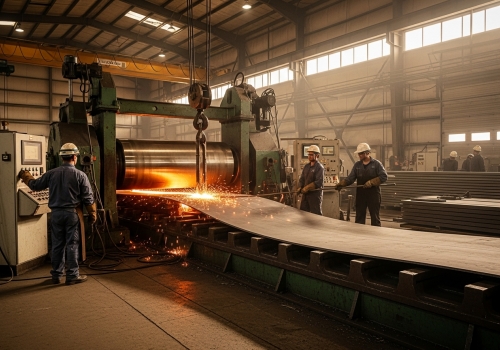
We know that choosing the wrong pipe specification can lead to disaster on a construction site. I want to stop you from making a blind purchase. Let’s look at exactly how these pipes are made and tested so you can trust the materials you order.
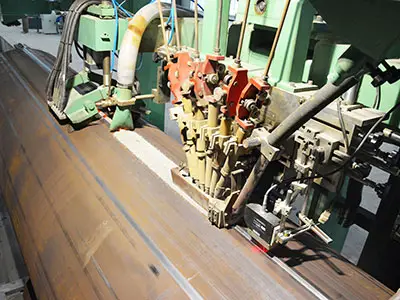
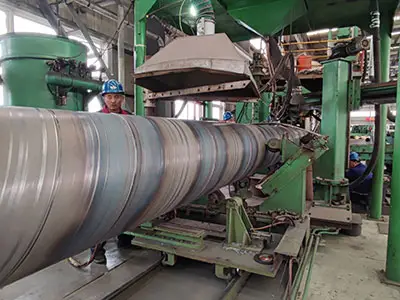
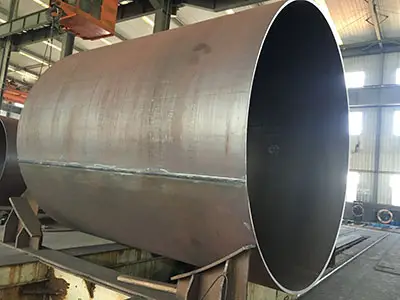
Many buyers assume all welded pipes are the same, which is a dangerous mistake. Ignoring the specific steps of production can lead you to choose materials that fail under stress. The production begins by trimming steel plates and cold-forming them into cylinders. Manufacturers then weld the seam using submerged arc technology or electron beams. This precise EFW pipe manufacturing process guarantees that the weld joint is as strong as the base metal itself.
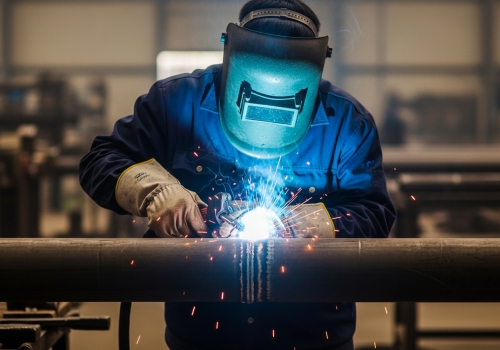
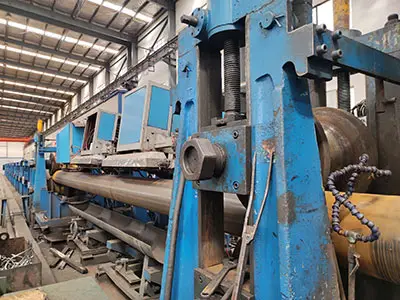
To truly understand the quality, we need to look deeper into the production line. At Centerway Steel, we believe transparency is key. The process is not just about bending metal; it is about changing the properties of the steel to fit your needs. First, we select high-grade steel plates. We inspect them for surface defects before we do anything else. Then, we move to the forming stage. We use a JCOE or UOE forming method. This presses the plate into a 'J' shape, then a 'C' shape, and finally an 'O' shape. This is gentler on the steel than forcing it all at once. After forming, the welding happens. We use Electric Fusion Welding. This is different from ERW (Electric Resistance Welding). EFW uses an external filler material and high heat to fuse the metals. It creates a bond that is chemically consistent with the pipe body. Finally, we perform heat treatment. This is the most critical part. Welding creates stress in the metal. We heat the pipe again to relieve this stress. This ensures the pipe will not crack when you install it in a cold German winter or a hot desert oil field. Here is how EFW compares to other methods:
| Feature | EFW Pipe | ERW Pipe | Seamless Pipe |
|---|---|---|---|
| Raw Material | Steel Plate | Steel Coil | Solid Round Billet |
| Weld Method | Electric Fusion (with filler) | Electric Resistance (no filler) | No Weld |
| Diameter Range | Very Large (up to 100 inches) | Small to Medium | Small to Medium |
| Primary Use | High Pressure / Critical Service | Low/Medium Pressure | Ultra-High Pressure |
A single crack in a refinery pipeline can cost millions in repairs and damage your reputation. You cannot afford to trust a supplier who skips strict testing protocols to save time. Reliable manufacturers never rely on visual checks alone. After welding, the pipes undergo X-ray testing, ultrasonic detection, and hydrostatic pressure tests. These steps within the EFW pipe manufacturing process ensure compliance with strict global standards like ASTM A671 and ASME specifications.
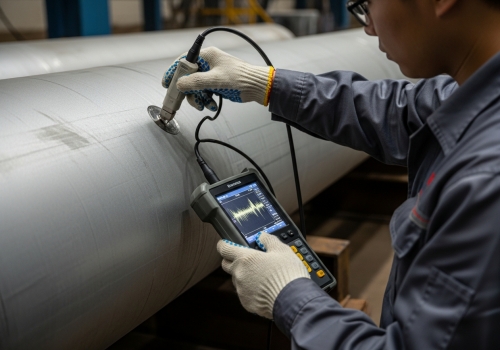
Let’s talk about safety. In the EPC industry, paperwork and certificates are as important as the steel itself. When I look at a production plan, I look for specific checkpoints. The first major test is Non-Destructive Testing (NDT). We use X-ray (Radiographic Testing) to see inside the weld. If there is a tiny air pocket or a piece of slag trapped inside, the X-ray will find it. We also use Ultrasonic Testing (UT). This uses sound waves to find cracks that the eye cannot see. Another vital test is the Hydrostatic Test. We fill the pipe with water and pressurize it higher than its operating limit. We hold this pressure for a set time. If the pipe does not leak or bulge, it passes. We also check the chemical composition. We take samples to the lab. We confirm that the carbon, manganese, and sulfur levels match the requirements of ASTM A672 or A691 standards. This ensures the pipe can handle corrosion and heat. Here is a checklist of tests we prioritize:
Budgets are getting tighter, but safety standards remain high. Using expensive seamless pipes for every part of a project drains your budget unnecessarily. EFW pipes are perfect for large-diameter oil refineries, power plants, and chemical processing. They offer high corrosion resistance and strength at a lower cost than seamless options, making them the smart choice for budget-conscious EPC projects.
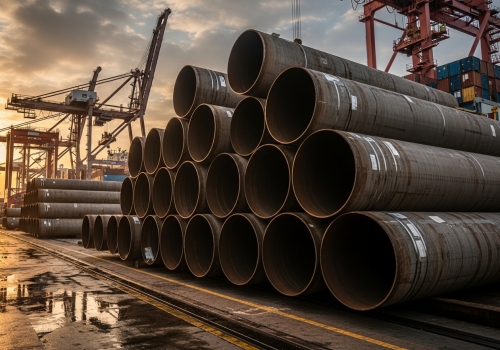
I have worked with many purchasing managers who think "Seamless is always best." That is not always true. Seamless pipes are limited by size. It is very hard and expensive to make a seamless pipe wider than 24 inches. EFW pipes solve this problem. Because we make EFW pipes from plates, we can produce very large diameters—up to 100 inches or more. This makes them ideal for main transmission lines in the Oil & Gas sector. You can transport more volume with fewer pipes. The EFW pipe manufacturing process also allows for uniform wall thickness. Since the pipe starts as a flat plate, the thickness is consistent across the whole surface. Seamless pipes can sometimes have eccentric walls (thicker on one side than the other). In terms of cost, EFW is a winner. The production speed is faster than seamless, and the raw material (plate) is often cheaper than solid billets. For low to medium-pressure lines in construction, water treatment, or downstream petrochemical plants, EFW gives you the performance you need without the premium price tag. Industries that benefit most include:
The EFW pipe manufacturing process provides a durable, safe, and cost-effective solution for large-scale projects. By understanding the production and testing steps, you can confidently source pipes that meet your strict engineering standards.











 English